

Hurricane season can bring a lot of stress and worry. You might feel anxious about strong winds, storm surge, power outages, or even flooding in your area. It’s common to wonder if you have done enough to keep your family and home safe before the storms come.
Many people share these concerns each year. One important step is boarding up windows with storm shutters to lower the risk of wind damage during big storms. We spent time learning about emergency plans, evacuation routes, and easy ways to stay safe when hurricanes or tropical storms get close.
This guide will walk you through simple steps for hurricane safety. You will learn how to make an emergency plan and gather supplies for an emergency kit before the next Atlantic hurricane hits.
We also explain what a hurricane watch and warning mean from the National Weather Service so you know what steps need action.
Stay ready by reading more below!
Key Takeaways
- Make an emergency plan for your family before hurricane season. Choose a safe room, write down emergency contacts, and know evacuation routes.
- Prepare an emergency kit with at least one gallon of water per person per day, non-perishable food for several days, medicines, flashlights, batteries, and a battery-powered radio.
- Secure your home by boarding up windows or using storm shutters and bringing in outdoor items to lower wind damage risk.
- Understand the difference between a hurricane watch (possible) and warning (expected soon). Always follow official updates from the National Weather Service.
- After a hurricane, avoid floodwaters and downed power lines. Wait for local authorities to say it’s safe to return home.
Preparing for a Hurricane
Preparing for a hurricane starts with making an emergency plan. We should discuss where to go and how to keep in touch if a storm hits.
Create an emergency plan
We understand how vital it is to be ready for a hurricane. Here’s how we create an emergency plan together.
- First, we pick a safe room in our home, away from windows. This space will shelter us during the storm.
- We select a meeting spot outside our house. This helps us find each other if we’re separated during a storm or tornado.
- Next, we write down emergency contacts. This includes family, friends, and local emergency numbers.
- We map out the potential impact zones of hurricanes as they approach the Atlantic Ocean. evacuation routes from our home to safer inland areas. Knowing multiple paths ensures we can leave quickly if needed.
- We agree on a communication plan. This way, if phones don’t work, we still know how to check in with each other.
- Assigning specific tasks to each family member makes sure everyone knows their role during the hurricane.
- Checking our supplies in the emergency kit is essential. We make sure we have water, non-perishable food, medications, and batteries.
Creating this plan keeps us all safe and prepared during hurricane season.
Assemble an emergency kit
After making an emergency plan, our next step is to put together an emergency kit. This kit will help us stay safe during a hurricane.
Here’s what we include in our emergency kit:
- We pack non-perishable food supplies that can last for several days. These foods don’t go bad quickly.
- Each person needs at least one gallon of water per day, so we make sure to have enough for everyone for several days.
- A first-aid kit is essential for any injuries or minor health issues that might happen.
- Necessary medications are included. This means any prescription drugs someone in the family needs to take regularly.
- We add a battery-powered or hand-crank radio. This helps us stay updated with weather alerts and important information from emergency management services.
- Flashlights and extra batteries are also packed. If the power goes out, these will be our main source of light.
- We assemble this kit before hurricane season starts. This way, we’re always ready in case a storm comes suddenly.
By preparing this kit, we ensure that we’re ready to take care of ourselves during severe weather situations like hurricanes and tropical storms.
Secure your property
After you have gathered your emergency supplies, it’s time to make sure your home can stand up to a hurricane. Keeping your property safe is just as important. Here are some steps we take to secure our homes against storm damage:
We bring inside all loose items like patio chairs and decorations. These things can become dangerous in high winds.
We trim trees and branches that could fall on our house. This reduces the risk of damage to the structure and windows, particularly from high wind speeds associated with hurricanes.
To protect against broken glass, we board up our windows or install storm shutters. This step is vital for keeping the inside of our homes safe from the elements.
Turning off utilities at the main switches is something we do if there’s enough time before the storm hits. It can prevent major issues like gas leaks or electrical fires during or after the hurricane.
Raising appliances above expected flood levels helps us avoid water damage. We use blocks or platforms to lift them off the ground in areas that might get waterlogged.
Staying updated with weather alerts from official sources keeps us informed about the hurricane’s progress. We check updates regularly so we know what to expect.
During the storm, we stay in a sturdy room away from windows and doors. It’s one of the safest places to be if there’s no evacuation order.
Securing our homes well before a hurricane arrives helps us minimize damage and stay safer through the storm.
Understanding Homeowners Insurance in the Context of Hurricanes
Homeowners insurance helps us protect our homes during hurricanes. It covers damage from strong winds and rain. However, not every policy is the same. Some plans may exclude flood damage, which can be a big risk in storms.
We should check our insurance policies carefully to know what is covered and what isn’t. If we live in an area with high flood risks, adding flood insurance through the National Flood Insurance Program might be wise.
High winds during hurricanes can cause severe wind damage to our homes. The right coverage will help pay for repairs or rebuilding costs after a storm hits. Knowing how much coverage we need can save us stress later on; it’s important to assess the value of our property and possessions now rather than waiting until disaster strikes.
Understanding these details ensures we are prepared as hurricane season approaches and keeps us safe from financial losses when storms occur.
An ounce of prevention is worth a pound of cure.
Next, we’ll discuss hurricane watches and warnings so that we can stay alert during these critical times.
Hurricane Watches and Warnings
Hurricane watches and warnings tell us what to expect. A watch means a hurricane could happen soon, as indicated by the National Hurricane Center. A warning means a hurricane is coming now. We should always check the latest updates from the National Weather Service or local news.
These alerts help keep us safe during bad weather. For more tips on staying prepared, let’s read on and learn how to track hurricanes in the Atlantic Ocean.
Know the difference between a watch and a warning
A hurricane watch A hurricane watch means that conditions for a hurricane are possible, as reported by the National Hurricane Center. This could happen in our area, so we need to stay alert. We should prepare ourselves and keep track of updates.
On the other hand, a hurricane warning indicates that conditions are expected soon. This means we must act quickly.
Both the National Weather Service and local emergency managers will give us alerts about watches and warnings. Knowing these differences can help us make safe decisions during hurricane season.
It is essential to rely on officials for accurate information as storms approach us.
Monitor official weather updates
We must keep track of official weather updates during a hurricane. We can use sources like the National Weather Service (NWS) for the most accurate information. Having a battery-powered radio is wise.
It allows us to receive important updates and instructions from local authorities, especially from the National Oceanic and Atmospheric Administration.
After the storm, we should continue listening for any weather reports and announcements about recovery efforts. These updates help us stay informed and safe as we move forward with safety measures during hurricanes.
Next, we will discuss safety tips during a hurricane.
Safety During a Hurricane
Stay inside during a hurricane. Find a safe room away from windows. Listen to local authorities for instructions. Watch out for flooding and fallen power lines outside. Keep your emergency kit nearby with food, water, and batteries.
Wear protective clothing if you need to leave your home. Being prepared is key in these tough times, especially when considering warnings from the National Hurricane Center. For more tips on staying safe, keep reading!
Stay indoors and avoid windows
We must stay indoors during a hurricane. It is crucial to find shelter in a safe place within our home.
- Seek an interior room. This should be away from windows and doors.
- Close all windows securely. High winds can break glass and cause injuries.
- Use pillows, blankets, or mattresses to protect ourselves from flying debris. These items can absorb some impact if needed.
- Do not go outside until local authorities tell us it is safe. Winds may shift unexpectedly after the eye of the storm passes.
- Stay tuned to a battery-powered radio for updates and instructions. This keeps us informed on safety measures and evacuation orders if needed.
Next, we should know about hurricane watches and warnings issued by the National Oceanic and Atmospheric Administration so we can respond quickly when necessary.
Follow instructions from local authorities
Stay indoors and avoid windows. We should always follow instructions from local authorities during a hurricane. Local officials know the risks in our area best. They provide guidance on safety measures, evacuation routes, and emergency alerts.
We must monitor official weather updates closely. This helps us stay informed about changing conditions. Authorities warn us about hazards like downed power lines and flooded areas after the storm passes.
Ignoring their instructions can put our lives at risk, so let’s listen carefully to what they say for our safety.
After the Hurricane
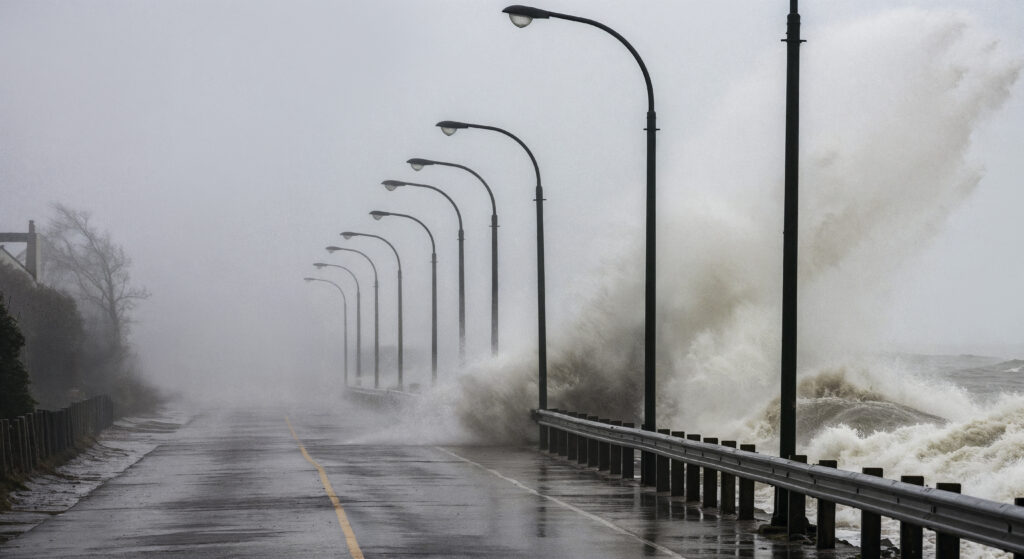
After the hurricane, we must be careful. Stay away from floodwaters and downed power lines. These can be very dangerous. Follow local advice about returning home. Check for any damage to your property after it’s safe to go outside.
Ensure you have your identification documents handy in case of emergencies, especially when evacuating due to a hurricane in the Pacific Ocean. Let’s stay prepared and informed as we move forward together!
Avoid floodwaters and downed power lines
Floodwaters and downed power lines can be very dangerous after a hurricane. We must take these dangers seriously to stay safe.
- Stay away from floodwaters. They can hide sharp objects and strong currents. Walking or driving through them can lead to serious injury or drowning.
- Look out for downed power lines. These lines can Tornadoes can carry electricity even when they appear harmless.. A single touch could lead to severe injuries or death.
- If we see a flooded area, we should find another route. The risks in those waters are not worth taking chances.
- Always listen to local authorities about flood risks and areas that are safe to enter.
- Avoid any use of electrical appliances near water until it is clear they are safe. This prevents electric shocks or fires.
- Report any downed power lines immediately. Contact local utilities so they can respond safely.
- Stay informed with emergency alerts and weather updates from reliable sources like the National Weather Service.
Follow local guidance for returning home
We must follow local authorities’ guidance on when to return home. They know the conditions better than anyone else. Waiting for official notices about utility restoration is crucial.
Power lines and gas leaks can be very dangerous after a hurricane. We should stay informed through reliable sources like weather.gov or the National Weather Service. This way, we ensure a safe trip back to our homes.
Local officials will provide important updates on road safety and flood risks. We need to keep track of these alerts, especially if we are near areas prone to inland flooding or storm surges.
Returning too soon can put us at risk for accidents or health hazards from mold growth in wet homes. Following these steps helps us stay safe during recovery efforts after a hurricane event.
Conclusion
Hurricanes can be scary, but we can stay safe with the right steps. Preparing early makes a big difference. We must secure our homes and have an emergency kit ready. Following updates from trusted sources keeps us informed.
After the storm, staying alert around flooded areas is key to safety. Let’s work together to protect ourselves and our communities during hurricane season!
For more detailed information on how your homeowners insurance might cover hurricane damage, please visit Understanding Hurricane Coverage in Homeowners Insurance.
FAQs
1. What is hurricane preparedness and why is it important?
Hurricane preparedness means getting ready before a hurricane or tropical storm hits. It helps protect your home and family from high winds, storm surge, inland flooding, and power outages that can occur during landfall.
2. How do I know if my area is under a hurricane watch or warning?
The National Weather Service sends emergency alerts through the Emergency Alert System and wireless emergency alerts. Pay attention to local news for updates on hurricane watches, warnings, and evacuation routes.
3. What should be in my emergency kit during the Atlantic hurricane season?
Your emergency supplies should include water, food, chargers for rechargeable devices, fire extinguishers, flashlights with batteries, first aid items, insurance policies like homeowner’s insurance or flood insurance from the National Flood Insurance Program.
4. How can I make my home safer before a major hurricane arrives?
Install storm shutters; secure propane tanks; check sump pumps; clear catch basins; have an electrician inspect wiring to prevent wind damage or gas leaks; anchor water heaters; review homeowners’ insurance coverage for flood risk.
5. When should I evacuate instead of sheltering in place during hurricanes?
Follow evacuation orders if officials issue them due to coastal storms or rising flood risk from rain bands and storm surge. Always know your evacuation routes ahead of time.
6. Why are rip currents and downed power lines dangerous after hurricanes or tropical cyclones pass?
Rip currents near the coastline can pull swimmers out to sea even after storms end while downed power lines may cause electric shock during cleanup efforts following thunderstorms or wildfires linked to hurricanes.