

We all want to keep our families safe during hurricane season. Facing a major storm can feel scary and stressful. Many people worry about not being fully ready if bad weather hits.
You are not alone in this feeling. This guide will help you get prepared step by step. You will learn how to make an emergency plan, use storm shutters, put together a strong emergency kit, and check your insurance policy.
With these simple tips, you can protect your home and loved ones when storms come your way.
Key Takeaways
- Prepare your home by securing outdoor items, trimming trees, and installing storm shutters or plywood on windows.
- Build an emergency kit with at least three days of water (one gallon per person/day), non-perishable food, flashlights, batteries, medications, pet supplies, and a manual can opener.
- Keep important documents like IDs and insurance policies in a waterproof bag for quick evacuation.
- Know your local evacuation zones and create both main and backup routes using county maps from the National Hurricane Center.
- Sign up for Wireless Emergency Alerts so you stay updated on weather changes or evacuation orders during hurricane season.
Preparing Your Home for a Hurricane
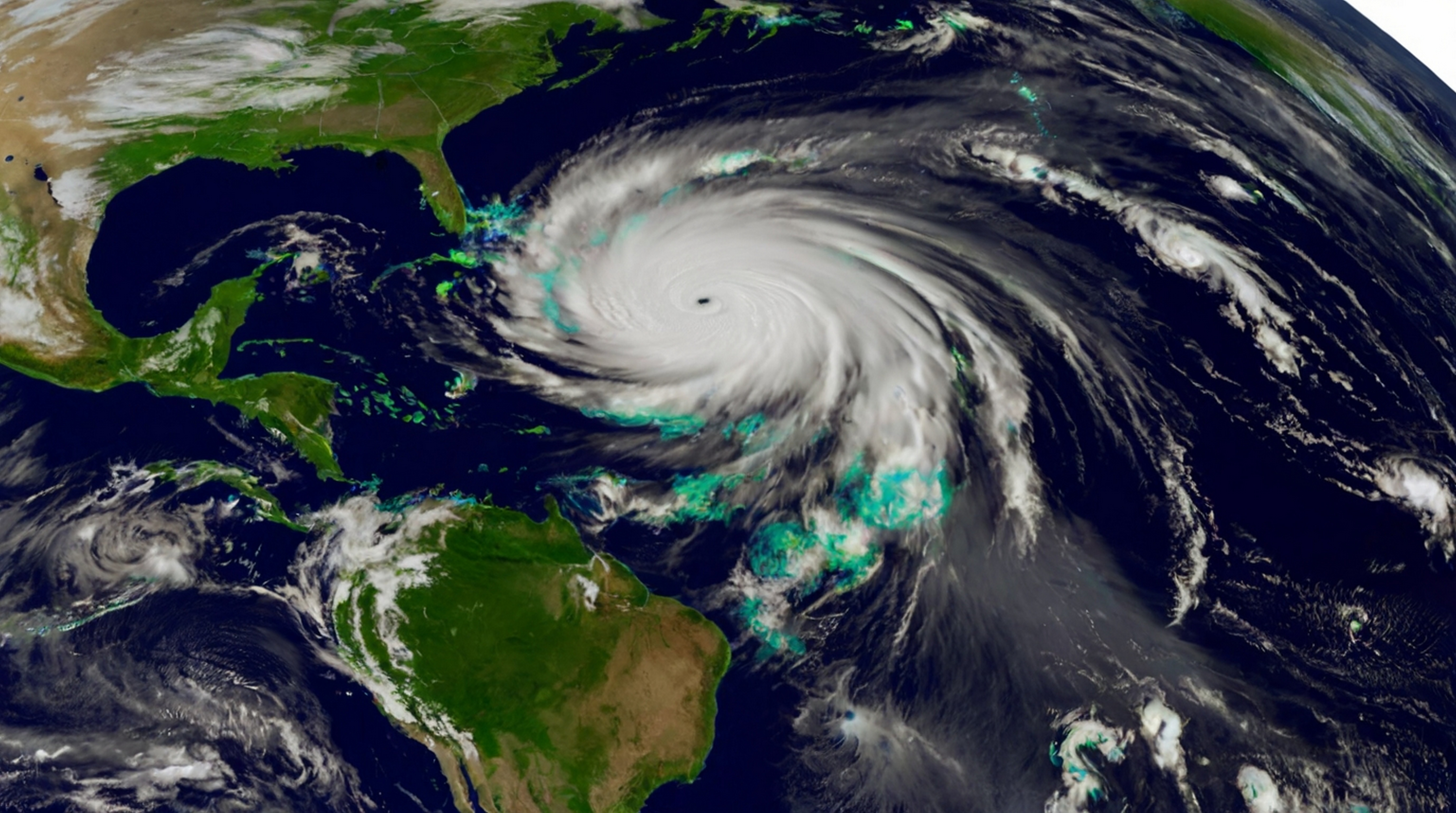
We need to get our homes ready before a hurricane hits. Making sure our home can stand up to high winds and heavy rain is key.
- We secure outdoor items like patio furniture and trash cans to prevent them from becoming flying hazards.
- Installing storm shutters or plywood on windows and doors helps protect against breaking glass.
- We trim trees and cut away loose branches around our house to reduce the risk of damage.
- Checking our homeowner’s insurance policy ensures we have enough coverage for hurricane damage.
- We identify our local evacuation zones and figure out both main and backup ways to leave if we must.
- Staying in an interior room without windows on the lowest level keeps us safe during the storm itself.
Next, let’s discuss building an emergency kit for your family.https://www.youtube.com/watch?v=uL0i3JcKFrc
Building an Emergency Kit for Your Family
We know the importance of being prepared for hurricane season. Having a well-stocked emergency kit can make all the difference for our family’s safety and comfort. Here’s what we include in ours:
- Store at least a three-day water supply, with one gallon per person each day.
- Include non-perishable food items that don’t require cooking. Think of canned goods and energy bars.
- A manual can opener is essential since power outages make electric ones useless.
- Don’t forget food supplies for our pets; they need to eat too.
- We keep an extra stash of important medications, glasses, and contact lenses handy.
- Flashlights and extra batteries are critical for when the power goes out.
- A first-aid kit helps us manage minor injuries at home.
- We use a battery-powered radio to stay updated on weather alerts and important updates from emergency management officials.
- Important documents like insurance policies, IDs, and bank information are kept in a waterproof bag.
- We also prepare a “go bag” with essentials so we can evacuate quickly if needed.
- Creating an inventory of our belongings helps with insurance claims after the storm passes.
Next up is creating a family evacuation plan to ensure everyone knows what to do when a hurricane warning is issued.https://www.youtube.com/watch?v=KKN7Ewht1DQ
Creating a Family Evacuation Plan

After preparing our emergency kit, we focus on building a strong family evacuation plan. We locate local evacuation zones and mark both primary and alternate routes. County maps from the National Hurricane Center (NHC) help us spot these safe paths fast during hurricane season.
We keep a “go bag” for each person with emergency supplies like water, non-perishable food for three days, pet supplies if needed, medications, important documents in a waterproof pouch, flashlights with extra batteries or chargers, and a first aid kit.
Our family emergency plan includes an updated emergency contact list and plans for pets. We sign up for weather alerts through the Wireless Emergency Alert system to stay informed about any hurricane watch or evacuation order.
Everyone should know their nearest shelter location before storms hit.
Conclusion
Hurricane preparedness is key to keeping our family and home safe. We must take steps now to protect what matters most. Making an emergency kit helps us stay ready for any storm. Understanding our evacuation plan keeps us informed and safe during a hurricane watch or warning.
Let’s be prepared, stay alert, and ensure we have the right tools in place when the next storm approaches.
FAQs
1. What should I include in my hurricane emergency kit to be ready for hurricane season?
Pack enough water, non-perishable food, a first aid kit, pet supplies, protective clothing, flashlights with batteries, important documents, and an emergency contact list. Add any medicine your family needs.
2. How do I make an evacuation plan for severe weather like hurricanes or floods?
Choose safe places to go during a storm surge or flood. Plan your evacuation route ahead of time and practice it with your family. Include pets in the plan and know where shelters are located.
3. Why is it important to have storm shutters and garage door reinforcement before a hurricane watch or warning?
Storm shutters protect windows from high winds and flying debris during hurricanes or tropical storms. Garage door reinforcement helps keep strong winds out so your home stays safer.
4. How can I stay informed about weather updates during Atlantic hurricane season or Pacific hurricane season?
Sign up for emergency alerts through the Emergency Alert System (EAS). Listen to National Oceanic and Atmospheric Administration (NOAA) Weather Radio for real-time warnings from the National Hurricane Center (NHC) and National Weather Service.
5. Will my homeowner’s insurance policy cover damage from disasters like hurricanes or thunderstorms?
Check your homeowner’s insurance coverage often since not all policies include flooding caused by storm surge or mold growth after landfall; you may need extra protection such as NFIP flood insurance.
6. What steps should businesses take for business continuity planning before wildfires, tornadoes, tsunamis, or other disasters hit?
Businesses need updated emergency plans that address severe weather risks including hurricanes; review business insurance policies regularly; back up vital records; train staff on safety procedures; follow guidance from local emergency managers using analytics when possible for better decisions.