

Storm damage can make us feel worried and confused about how to file a claim with our insurance company. Many of us have gone through this and found out that insurers may not cover repairs if we mess up the process.
Our guide will help you step-by-step, showing how to take clear photos, videos, and gather repair estimates so your insurance claim is strong. Keep reading for tips to protect your home and get a fair payment from your homeowners insurance after wind or water damage.
Key Takeaways
- Take clear photos and videos of all storm damage before any repairs. Keep receipts, repair estimates, and a list of damaged items with details like brand and model numbers.
- Read your insurance policy to learn what is covered. Check the deductible amount and coverage limits for wind, hail, and flood damage.
- Report the claim fast—most insurers have strict deadlines. Give accurate details about the loss when you contact your insurance company.
- Attend the adjuster’s inspection with organized documents. Share all photos, lists of losses, receipts, and cost estimates during their visit.
- Review any settlement offers carefully before accepting them. If your claim is denied or seems unfair, ask for reasons in writing or hire a public adjuster for help.
No statistical data or named sources were provided in the article content above; none included here per instructions regarding storm damage insurance claims.
Assess and Document the Damage
To start, we should look closely at the damage. We need to take clear photos and videos of all affected areas. This helps show what happened. Next, let’s make a list of damaged items.
Keeping an inventory can help us later during the claim process with our insurance company.
Take photos and videos of all affected areas
We take photos and videos of all affected areas before making any temporary repairs. This step helps us create strong damage documentation is crucial for a successful storm damage insurance claim. for our storm damage claim. We use our phones or cameras to capture clear images of wind damage, hail damage, water damage, and flood damage in every room.
For roof or structural damage that is hard to see from the ground, we may use drones for better angles.
These photos and videos show insurance companies the full extent of our loss. We make sure each image has a date stamp if possible, so there are no doubts about when the storm hit.
This visual proof speeds up filing a claim with our insurance company and supports our case with the insurance adjuster. We save copies of everything in case we need them later for denied claims or further review by public adjusters or legal counsel.
Keep an inventory of damaged items
We start by making a list of all items impacted by the storm. This includes furniture, electronics, clothes, kitchenware, and tools affected by wind damage or water damage. We write down the name, brand, model numbers if we have them, and estimate how much each item cost.
Photos and videos help show proof for our insurance company.
We save receipts for expenses related to repairs or temporary stays outside our home if needed, as these can help cover the cost in our insurance claim. These records make it easier to claim living costs under comprehensive coverage in homeowner’s insurance or auto insurance.
Using a simple spreadsheet can keep everything organized as we document storm damage for our claim.
Listing every damaged item is key to getting a fair settlement from your insurance company.
Review Your Insurance Policy
We need to read our insurance policy closely. Let’s find out what it covers and what it doesn’t. Knowing our coverage helps us understand potential wind and hail damage claims better.
We should also check the deductible, which is the amount we pay before getting help from our insurance company on repairs or replacements.
Understand your coverage and exclusions
Our insurance policy lists what types of storm damage we can claim. We check if wind damage, hail damage, or flood damage are included. Some policies cover water damage, but not flood events; for floods, we may need separate flood insurance from the National Flood Insurance Program.
Most home insurance covers structural damage from storms but has exclusions for certain natural disasters.
Each plan also shows us our deductible and limits. This tells us how much money comes out of our pocket before coverage starts and the maximum payout allowed. Understanding these details helps us file strong storm damage claims with no surprises from the insurance company later on.
Now let’s see how to notify our insurer quickly and give them correct information about the loss.
Clarify your deductible and limits
We need to clarify our deductible and limits. The deductible is the amount we must pay before our insurance kicks in. It can vary depending on our policy. Higher deductibles often mean lower premiums, but this means more out-of-pocket costs when filing a storm damage insurance claim. out-of-pocket costs if we file a claim.
Limits refer to the maximum amount the insurance company may pay for storm damage insurance claims. for any damage. We should understand these numbers clearly so we know what to expect after filing an insurance claim for storm damage.
Knowing both helps us make informed decisions during recovery from wind, hail, or flood damage.
Understanding your coverage and limits is essential when managing storm damage.
Notify Your Insurance Company
We need to tell our insurance company about the storm damage right away. It’s key to provide clear and accurate details about what happened.
Report the damage promptly
We must report the damage promptly after a storm. Waiting can make things worse. Contact the insurance company as soon as possible. This helps us start our storm damage claim quickly.
Provide accurate and detailed information about what happened. Share photos and videos of the damage we documented earlier. Make sure to mention all types of damage, like water or wind damage.
Quick reporting can speed up our insurance settlement process.
Provide accurate and detailed information
We must provide correct and thorough details to our insurance company. This means sharing exactly what happened during the storm. We need to send photos and videos of all damage, including wind or hail damage.
Keeping an inventory of damaged items is also essential.
Documents like repair estimates are important too. They help show the extent of structural damage or water damage we faced. Providing clear records helps us avoid denied claims later on.
Let’s stay organized with receipts for expenses related to temporary repairs; this can significantly support our storm damage claim. Clear communication will lead us to a fair settlement with our insurance adjuster.
Schedule an Inspection with an Adjuster
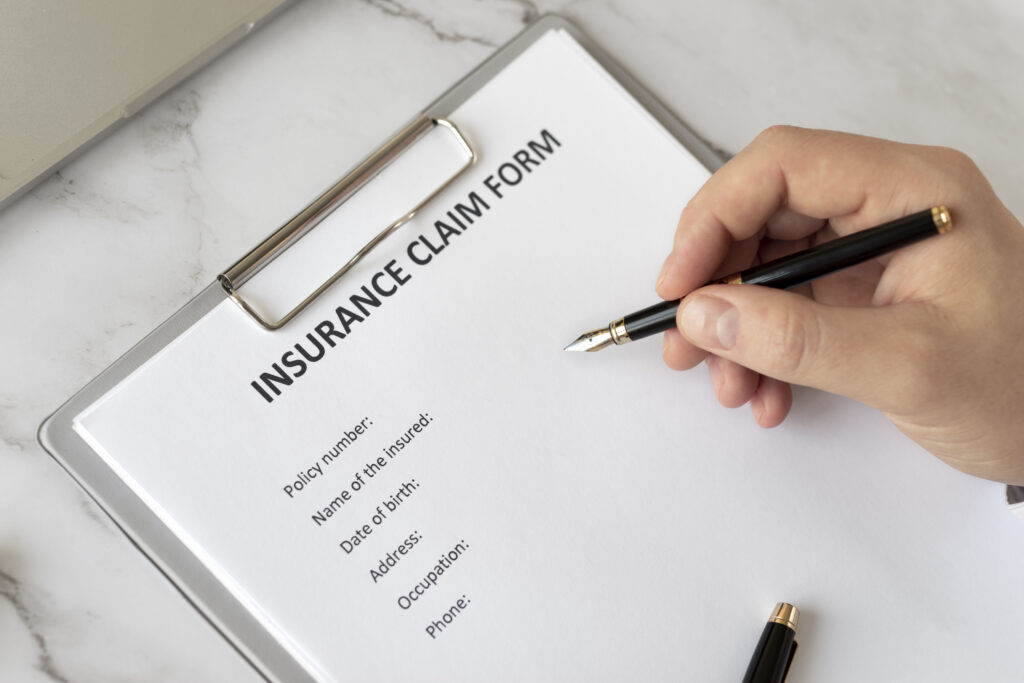
Schedule a visit with an insurance adjuster as soon as you report damage. Being there during the inspection helps us share details and provide all necessary documents for our claim.
Be present during the inspection
Our presence during the inspection is crucial. We should meet the insurance adjuster at our home or business. They will assess all damage, including wind and water damage. Showing up allows us to answer questions right away.
We can point out areas that need attention.
Before the visit ends, we must share all documentation with the adjuster. This includes photos and videos of damage, receipts for expenses, and repair estimates. Having everything ready helps speed up our storm damage claim process.
It also ensures we do not miss anything important in our insurance coverage. Taking part in this step makes our case stronger and clearer for everyone involved.
Share all documentation with the adjuster
We must share all our documentation with the adjuster. This includes photos and videos of damage, repair estimates, and receipts for expenses. Clear communication helps ensure a fair settlement.
Providing detailed information shows we are organized and serious about our storm damage claim.
The adjuster will review everything we submit. They will use this evidence to assess the damage accurately. Being thorough can lead to a better outcome for us in the claims process.
Next, we need to avoid common mistakes when filing our storm damage insurance claim.
Avoid Common Mistakes
We must file our claim quickly after storm damage. Waiting can hurt our chances for a fair settlement. We should also review any settlement offers carefully before accepting them to ensure they cover the cost of repairs. It’s smart to ask questions and understand what we are agreeing to in the claim process.
Don’t delay filing your claim
We need to act quickly after storm damage. Delaying our claim can hurt us in the long run. Most insurance companies have deadlines for filing a homeowners insurance claim after storm damage. filing claims. If we wait too long, we might miss our chance for help.
Filing early helps us get support faster. We should report the damage as soon as possible. Keeping detailed records of what happened strengthens our case. Photos and videos of the damage are crucial; they provide proof to the insurance adjuster.
By staying on top of it, we improve our chances of receiving a fair settlement for repairs related to wind, hail, or water damage from storms.
Avoid accepting the first settlement offer without review
Don’t rush to accept the first settlement offer. This initial offer may not cover all our losses from storm damage. Insurance companies often try to settle quickly and for less money.
We must review it carefully before deciding to file a homeowners insurance claim.
We can assess our claim against our insurance policy. We need to know what’s covered and any exclusions that apply. Gathering all documentation helps us negotiate a fair settlement for our storm damage insurance claim.
This includes receipts for temporary repairs, inventory of damaged items, and photos or videos of damage. A thorough review of our homeowners insurance claim is essential. ensures we receive the compensation we deserve from our insurance company.
Hurricane Insurance Claims Process: Tips to Maximize Your Payout
Documenting every detail of the damage is key. We should take clear photos and videos of all affected areas. This helps us show exactly what happened during the hurricane. Keeping an inventory of damaged items also supports our claim for fair settlement offers.
Communicating clearly with our insurance company matters too. We must report the damage quickly and accurately. Working closely with our insurance adjuster keeps everything on track.
If we need temporary repairs, we should keep receipts for any expenses incurred as these can be part of our storm damage insurance claim documentation.
Appeal a Denied or Unsatisfactory Claim
Sometimes claims get denied or don’t meet our needs. We can ask for a detailed reason behind the denial. If we think the answer is unfair, we might want to hire an insurance advocate to help us with our case.
Request clarification for claim denial
We should ask our insurance company for clarification on any claim denial. It is important to understand why the claim was denied. We can call or email them and ask for specific reasons.
This helps us see if there are mistakes or misunderstandings.
If we still don’t agree with their decision, we might consider hiring a public adjuster. They know how to handle denied claims and can help us get a fair settlement. They will review our damage documentation, including photos and videos of damage, repair estimates, and receipts for expenses.
With their expertise, we increase our chances of success in getting a proper payout from our insurance policy.
Explore the option of hiring a public adjuster
We can hire a public adjuster to help us with our storm damage claim. They work for us, not the insurance company. A public adjuster knows how claims work and can navigate the process better than we might on our own.
They will review our insurance policy and assess the damage we documented. This includes wind damage, hail damage, or even flood damage. With their expertise, they can negotiate for a fair settlement on our behalf.
Their goal is to get us a better payout based on repair estimates and all necessary documentation of damage.
Conclusion
Filing an insurance claim for storm damage can feel tough. We need to take clear photos and videos of the damage. Keeping a good record helps us prove what happened. Understanding our policy is key too; knowing what it covers can make a difference.
By following these steps, we increase our chances of getting a fair settlement and avoid mistakes along the way. Let’s stay organized and informed as we navigate this process together!
FAQs
1. What steps should I take first when filing a storm damage claim with my insurance company?
Start by reviewing your insurance policy to check your coverage for wind damage, hail damage, water damage, or flood damage. Make sure everyone is safe before you begin documenting the storm damage.
2. How do I document storm and structural damage to avoid denied claims?
Take clear photos and videos of all visible harm including roof leaks, broken windows, or damaged walls. Keep receipts for expenses from temporary repairs; save communication records with your insurer.
3. Why is it important to get repair estimates before accepting a settlement offer?
Getting several repair estimates helps you know the replacement cost for fixing the structural or water issues. This information supports fair settlement negotiation with the insurance adjuster.
4. Can public adjusters help in claim negotiation after severe weather events?
Yes; public adjusters can work on your behalf during claim negotiation if there are disputes about coverage or if you feel the initial settlement offer does not match actual damages.
5. What should I do if my business insurance or car insurance claim gets denied after storm damage?
Check all documentation like photos of loss, receipts, and communications sent to your insurer. If needed, seek legal representation to review denied claims and discuss next steps under comprehensive coverage terms.
6. Are drone inspections useful in documenting large-scale flood or wind losses for an insurance settlement?
Drone inspections provide detailed images that support accurate documenting of widespread flood or wind destruction; these records help both insured parties and insurers reach fair settlements faster according to guidelines from sources such as the Insurance Information Institute.