

Filing an insurance claim can feel overwhelming, and it is easy to wonder who really supports us during the claims process. Many people face this problem because insurance adjusters work for the insurance company, while public adjusters help policyholders like us.
In this guide, we’ll explain the key differences between these two types of claims adjusters so everyone can make smart choices after property damage or a natural disaster. Keep reading to see how you can protect your interests and work toward a fair settlement.
Key Takeaways
- Insurance adjusters work for insurance companies like State Farm or Allstate. They try to protect the company’s money and pay out as little as possible on claims.
- Public adjusters work for us, the policyholders, not any insurer. We hire them to help with our claim after losses from events like floods or hurricanes.
- Insurance adjusters are paid by the insurer, so we do not pay extra fees when they handle our claim. Public adjusters earn a percentage of our final settlement, usually between 5% and 20%.
- Both types of adjusters need state licenses. Insurance adjusters represent insurers; public adjusters represent people who file claims.
- Hiring a public adjuster helps make sure we get fair payment based on real damage costs covered in our policy (NAPIA president Robert Tate).
What is an Insurance Adjuster?
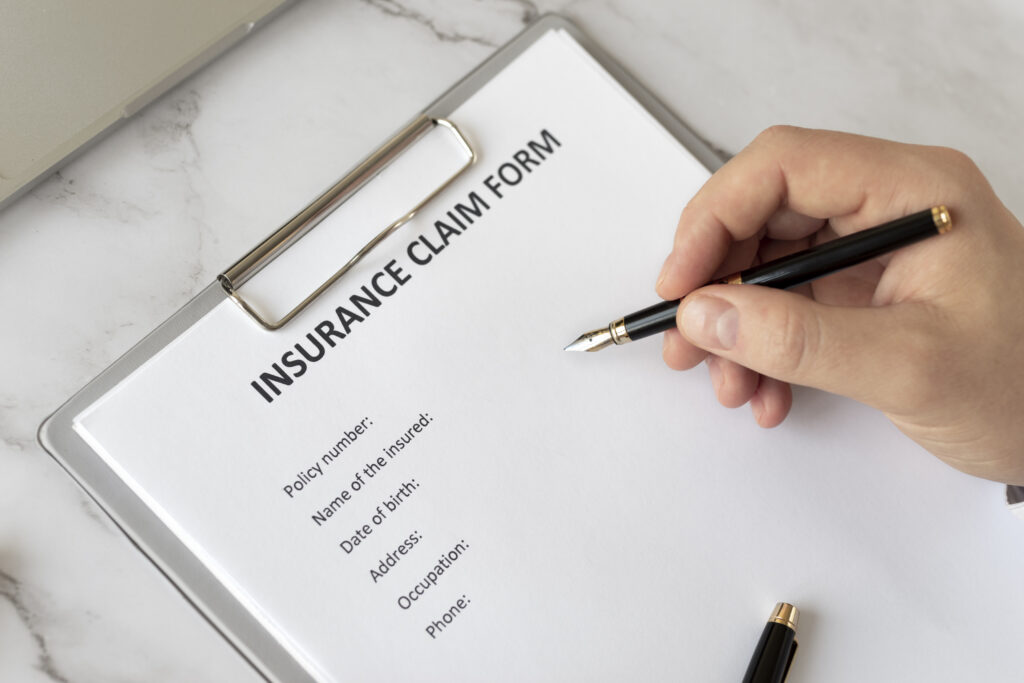
Insurance adjusters work for insurance companies. We assign them to look into property damage or disaster claims, like hurricane damage or flood damage. Their main job is to inspect the loss, review the insurance policy, and estimate what it will cost to fix or replace damaged items.
Insurance adjusters also gather facts about pre-existing damage and check if our claim fits under the existing coverage.
They act as negotiators during settlement negotiations with us, seeking a fair but lower payout for the insurer. Insurance carriers pay their salary, so we do not pay extra fees when they assess our claim.
Insurance company adjusters try to limit payouts and protect company interest in every step of the settlement process. They handle all kinds of insurance claims involving homes, cars, or business property for major insurers.
What is a Public Adjuster?
A public adjuster is a licensed professional who works for us, the policyholders. We hire them to help us with our insurance claims after property damage from events like hurricane damage or flood damage.
Public adjusters work independently of any insurance company and do not represent their interests. Their main job is to manage and handle our claim from start to finish. This includes preparing all paperwork, presenting evidence of loss, and negotiating the settlement process on our behalf.
We usually pay public adjusters through an agreed percentage of the final claim settlement, often between 5% and 20%. They hold licenses according to strict state licensing requirements and always focus on getting us a fair settlement under our insurance policy.
“A licensed public adjuster stands by your side during stressful times,” says Robert Tate, president of the National Association of Public Insurance Adjusters (NAPIA). Our goal in hiring these experts is to make sure we receive every dollar owed based on real replacement values covered by our insurance policies.
Now let’s compare how insurance company adjusters differ from public adjusters in terms of loyalty, knowledge, incentives, fees, conflicts of interest, education level required in most states, contractor relationships as independent contractors or employees—and more—in the next section.
Key Differences Between Insurance Adjusters and Public Adjusters
We have now explained the role of a public adjuster. Next, we will compare insurance adjusters and public adjusters. This table breaks down the main differences so we can see how each serves us during an insurance claim.
| Aspect | Insurance Adjuster | Public Adjuster |
|---|---|---|
| Who They Work For | Works for the insurance company | Represents the policyholder |
| Role in Claim | Assesses claims and determines payout | Prepares, presents, and negotiates the claim |
| Compensation | Paid by the insurer, no direct cost to us | Earns a percentage of the final settlement |
| Primary Goal | Protects the insurance company’s interests | Advocates for our rights |
| Independence | Employed by insurance carriers like State Farm or Allstate | Operates independently from any insurer |
| Licensing | Licensed by state agencies to represent insurers | Licensed by the state to represent us |
| Claim Management | Reviews damages, may request proof or documentation | Manages all paperwork, contacts, and negotiations for us |
| Who Pays | Service cost is covered by the insurer | We pay a set percentage after claim settlement |
Conclusion
Understanding the difference between an insurance adjuster and a public adjuster is important. Insurance adjusters work for the insurance company. They look at claims to decide how much money to pay.
Public adjusters, on the other hand, work for us, the policyholders. They help us get fair settlements from our claims. Knowing these roles can guide us through the claims process effectively.
FAQs
1. What is the main difference between an insurance adjuster and a public adjuster?
An insurance company adjuster works for the insurance carrier to review property damage and manage the claims process. A licensed public adjuster represents only the insured, not the insurer, during settlement negotiation.
2. Who hires a public adjuster in an insurance claim?
The insured hires a public adjuster by signing a written contract, usually after property damage from natural disasters like hurricane damage or flood damage.
3. How do independent adjusters fit into the claims process?
Independent adjusters are hired by insurance companies when their own staff cannot handle all claims. They assess loss, check for pre-existing damage, and help with claim settlement on behalf of insurers.
4. Can a public adjuster help get a fair settlement?
Yes, public adjusters use expert testimony and know how to analyze your policy coverage and damages so you receive fair settlement from your insurance proceeds.
5. Are there licensing requirements for becoming a public or company-employed claims specialist?
Both roles have strict licensing requirements set by state law; only licensed professionals can act as either type of claims specialist in most states within the insurance industry.
6. How do I decide if hiring a licensed public representative is worth it?
You should do a cost-benefit analysis before hiring someone who charges on contingency basis; compare possible increases in claim payment against fees charged during your settlement process.