

Filing an insurance claim can feel stressful. Many people worry about getting paid enough for their loss or damage. You might have heard stories about low settlements or slow payments from insurers.
It is normal to feel uneasy during this time. Most of us do not want to miss out on money we should receive. Studies show that only about half of people think their insurer treats them fairly during the claim process.
After looking into this, simple steps stood out that help avoid problems and get what you are owed.
This post shares easy tips for handling your insurance policy, talking with the claims adjuster, and keeping records like photos and bills. It also covers how to negotiate confidently if needed.
Plus, you will find advice for special cases such as storm damage or medical bills.
Keep reading if you want a better chance at getting the full payout from your next property insurance claim!
Key Takeaways
- Read your insurance policy carefully. Know what is covered, your limits, and deductibles. For example, if you have a $5,000 claim with a $1,000 deductible, expect up to $4,000 from the insurer.
- Document all damages with clear photos or videos right away. Save receipts for repairs and medical bills. Keeping these records gives strong proof during your claim.
- File your insurance claim as soon as damage happens. Most policies have strict deadlines. Fast action helps prevent extra loss and avoids claim rejection.
- Communicate clearly with claims adjusters and keep notes of every call or email. Accurate information speeds up the process and supports fair settlement offers.
- Consider hiring a public adjuster for complex claims or an attorney if you face legal trouble with insurers. Their help can lead to higher payouts and protect your rights through tricky situations like storm damage claims.
Understand Your Insurance Policy
We should read our insurance policy carefully. It tells us what is covered and what is not, along with our limits and deductibles.
Review your coverage, exclusions, and limits
We need to read our insurance policy closely. It shows us what the insurance company covers and what it does not cover. Some claims, like personal injury or storm damage, may have special rules or be excluded.
Policy limits set the highest amount we can get paid on a property insurance claim or for items like medical bills.
It helps to know if our plan pays out actual cash value (acv) or replacement cost value (rcv). We should check if underinsured motorist coverage is part of our car insurance since this protects us in some accidents.
After we review these details, we can learn more about how deductibles affect each insurance claim.
Familiarize yourself with deductibles
A deductible is the amount we pay out of our own pocket before insurance companies cover the rest. For example, if our property insurance claim is $5,000 and we have a $1,000 deductible in our insurance policy, we will get paid up to $4,000 by the insurer.
Each type of coverage has its own deductible. Always check what it is for homeowners insurance or personal injury claims.
Knowing how much our deductibles are helps us make smart choices during the claim process. Higher deductibles may lower monthly prices but increase costs after an accident or loss.
The settlement offer from an insurance adjuster always subtracts this amount first. “Understanding your deductible puts you in control of your payout.” Make sure to review our policy limits and ask about replacement cost value (RCV) versus actual cash value (ACV).
This helps with negotiations with insurance adjusters and sets clear expectations for our checklist during any property insurance claim or personal injury claim process.
Document Everything Thoroughly
We must document everything related to our claim. We can take photos and videos of any damages we see. Keeping all receipts and records will help show what we’ve spent. This proof is key for getting the money we deserve from our insurance policy.
Take photos or videos of damages
We grab our phones or cameras and record clear photos and videos of every damage. These images provide strong proof during the insurance claim process. We snap close-ups, wide shots, and different angles.
This helps the insurance adjuster see the real extent of loss.
We save all files with labels, including dates and details about each item or area. If we include time stamps, it adds even more credibility to our property insurance claim. Having good digital evidence can speed up a fair settlement offer from the insurance company.
Keep receipts and records of expenses
Taking photos or videos of damages is just the start. Keeping track of every expense is key too. We should save all receipts for repairs, replacements, and any other costs related to our claim.
This includes medical bills if they apply.
Records help us show what we spent after an incident. They support our insurance claim when we talk to adjusters. Having clear documentation can make a difference in how much we get back.
By staying organized, we increase our chances of receiving a fair settlement for our property insurance claim.
Proper records can turn the tide in negotiations.
Notify Your Insurance Company Promptly
When damage happens, we should contact our insurance company right away. Quick action helps protect our claim and keeps more damage from occurring.
File your claim as soon as possible
Filing our claim quickly is crucial. Most insurance policies set a time limit for claims. We should act fast to meet these deadlines. Delaying may cause problems, like rejection of the claim.
Quick notification also helps us prevent further damage. For example, if our property suffers water damage, we need to fix it right away. If we wait too long, the insurer might deny our claim due to lack of action on our part.
Taking prompt steps protects both us and our rights under the insurance policy.
Prevent additional damage to avoid claim rejection
Act quickly to stop further damage after an incident. If we delay, our claim might get rejected. For example, if a pipe bursts, we should turn off the water and repair the leak immediately.
Taking action shows we are serious about our insurance claim.
Keep records of what we do to fix damages. Document repairs with photos or videos. This proof can help strengthen our case later on. Following these steps helps avoid extra costs and keeps our claim valid with the insurance company.
Communicate Effectively with Adjusters
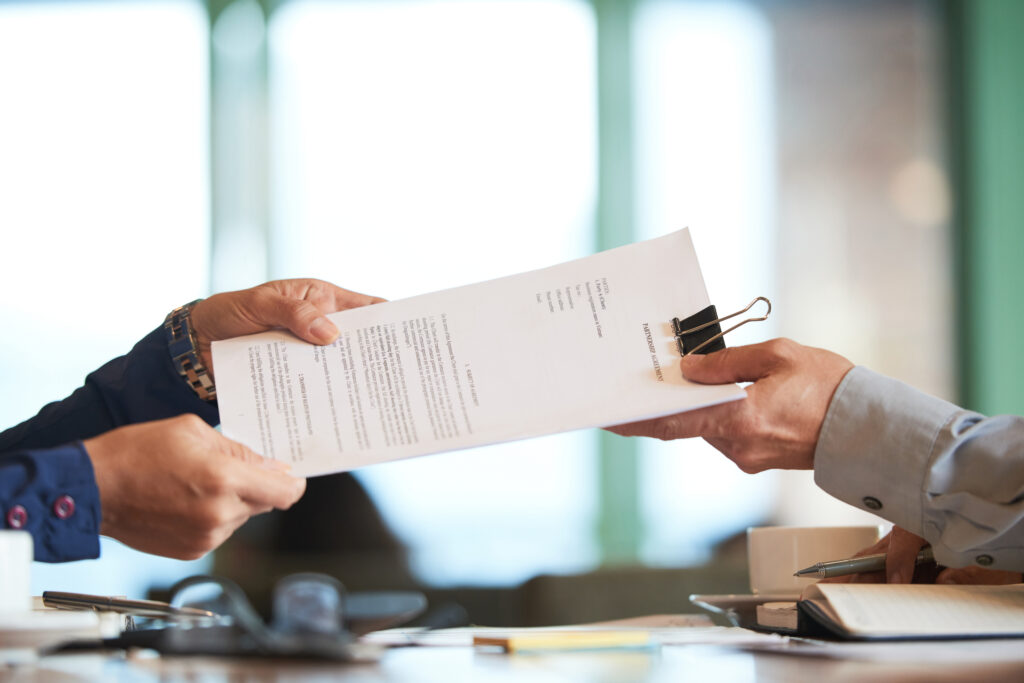
We need to share clear and accurate details with the adjusters. This helps them understand our claim better and speeds up the process. Keeping notes of all talks we have also ensures we stay organized.
Provide accurate and detailed information
Insurance claims require precise and complete information. We need to share all relevant details about our situation. This includes what happened, where it occurred, and when it took place.
Accuracy helps the insurance adjuster understand our claim better.
We should also include any medical bills or receipts for repairs in our documents. Having this evidence ready can strengthen our case. We must provide facts about property damage too, like replacement costs or actual cash value of items lost.
Clear communication is key during the claims process, as it helps avoid misunderstandings and ensures we get fair treatment from the insurance industry.
Maintain records of all interactions
We should keep notes of every interaction. This includes calls, emails, and meetings with the insurance adjuster. Each time we talk to someone about our claim, we should write down details like dates and what was said.
This record will help us stay organized.
Keeping these records is crucial for our property insurance claim. It gives us proof of what has happened during the claim process. If any issues arise later, we can refer back to these notes for support.
Clear communication matters in negotiations too; having everything documented makes it easier to discuss our case confidently.
Consider Seeking Professional Help
Sometimes, we need extra help with our claims. Hiring a public adjuster can make the process easier, especially for tricky claims or large losses. A lawyer can also help if things get tough with insurance companies.
They know how to deal with legal issues and fight for our rights.
Hire a public adjuster for complex claims
Complex claims can be hard to handle. We may not know all the details. Hiring a public adjuster helps us navigate these tricky situations. They understand the claim process and how insurance policies work.
Public adjusters negotiate on our behalf with insurance companies. They gather evidence like photos, videos, and receipts to support our case. Their expertise can lead to higher payout offers for property insurance claims.
This helps us focus on recovery while they manage the details of our claim effectively.
Consult an attorney if necessary
Seeking legal help can make a big difference. If our claim seems complex, we should consider hiring an attorney. They know the law and can guide us through difficult situations. An attorney helps protect our rights.
They can also negotiate with insurance adjusters on our behalf.
When dealing with medical bills or pain and suffering claims, having legal representation can be crucial. Attorneys understand how to present our case effectively. This support may lead to better settlement offers for us.
We must ensure that we’re getting the best payout possible for our insurance claim.
Tips for Handling Specific Types of Insurance Claims (e. g. , Storm Damage)
We face unique challenges with different types of insurance claims. Storm damage can especially create issues for us. Here are tips to help us navigate these claims.
- Assess the damage right away. Look for leaks, cracks, or fallen trees and take notes.
- Document everything thoroughly. Take clear photos or videos of all damages.
- Save all receipts related to repairs or temporary lodging.
- Review our property insurance policy’s coverage limits carefully to understand what is included.
- Notify the insurance company promptly about the storm damage claim and provide them with all necessary details.
- Keep track of all communications with the insurance adjuster; this includes dates, names, and topics discussed.
- Be ready to provide additional paperwork if requested by the insurer during the claim process.
- Stay calm and patient during inspections done by adjusters; they will evaluate our property for necessary coverage.
- Consider hiring a public adjuster if we feel overwhelmed by the claim process or if it gets complicated.
- Negotiate effectively if we receive a settlement offer that feels too low; present evidence that supports our claim value.
Handling storm damage claims requires attention and care at every step we take in this process.
Negotiate Strategically
We should show clear evidence to back up our claim’s worth. Staying firm yet fair during talks helps us reach a good deal with the insurance adjuster.
Present evidence to support your claim value
We need to back up our claims with clear evidence. This means gathering proof, like repair estimates and bills for medical costs. Photographs of the damage are also important. They help insurance adjusters see the extent of our loss.
Showing what we have spent can strengthen our case. Keeping records of all expenses related to the claim is vital. We should also note down any conversations we have with negotiators, including dates and details discussed.
All this information will help us present a strong argument for fair compensation.
Stay firm but reasonable during negotiations
Showing evidence supports our claim value. This gives us a strong base to negotiate. We must stay firm in what we want, but also remain open to discussion. Being too rigid may turn off the adjuster.
Balancing firmness with reason can help us reach a fair outcome.
We should listen carefully during talks. Understanding their points can lead to compromise that works for both sides. Keeping a calm tone helps keep the conversation productive. If we feel pressured, it’s okay to pause and gather our thoughts before responding.
Good negotiation is about finding common ground while standing by our rights in the insurance claim process.
Conclusion
We can use these tips to get the most from our insurance claims. Understanding our policy is key. Documenting everything helps, too. Clear communication with adjusters makes a difference in the claim process.
Seeking help when needed ensures we are not alone in this journey. With patience and effort, we can achieve better payouts for our claims.
FAQs
1. How can I make sure my insurance claim gets the best payout?
Review your insurance policy before filing a claim. Gather proof of loss, such as photos and receipts. List all damaged items for your property insurance claim. Keep records of medical bills if you have injuries.
2. What should I do when an insurance adjuster reviews my case?
Give clear details to the insurance adjuster about what happened. Show them repair estimates and documents like actual cash value (acv) or replacement cost value (rcv). Answer questions honestly but protect your rights.
3. Should I accept the first settlement offer from my insurer?
Do not rush to accept a settlement offer right away. Check that it covers all losses within your policy limits, including repairs and medical bills from the claim process.
4. When is legal representation helpful in an insurance claim?
If you feel unsure during any part of your property insurance claim or think the payout is too low, seek legal representation for guidance with negotiations or disputes over sms updates and final settlements.