

When a big storm hits, many of us feel lost. Our roofs may leak, water can fill our homes, and it is hard to know what to do next. Worries grow about filing storm damage insurance claims or if our homeowners insurance Homeowners insurance may help when severe weather wrecks things we care about.
These worries are common, and they matter. Most home insurance covers wind and hail but not floodwaters unless you buy special flood insurance. We searched for answers by studying the claims process with experts and reading tips from the National Association of Insurance Commissioners.
This guide explains each step after a storm shakes your world. You will see how to stay safe first, gather proof of property damage for your insurer, handle the claim adjuster’s visit calmly, and avoid mistakes that could cost you money.
Learn ways to protect your home and get fair help from your policy—keep reading!
Key Takeaways
- Always put safety first after a storm. Check for hazards like downed power lines and damaged buildings before starting any insurance claim steps. Listen to local alerts from FEMA or emergency teams regarding homeowners insurance claims.
- Take clear photos and videos of all damage right away. Save receipts for temporary repairs to prevent further damage, and keep written records with dates. This proof helps your insurance company see the true damage.
- Read your homeowners insurance policy closely. Most policies cover wind and hail but not flooding unless you have separate flood insurance (source: National Association of Insurance Commissioners). Know your deductible and coverage limits to avoid surprises.
- Notify your insurance company as soon as possible after a storm hits. Meet with the Some homeowners insurance claims require the expertise of a claims adjuster., show them all damages, give them complete documentation, and ask questions if anything is unclear.
- Get repair estimates from more than one licensed contractor. Keep copies of every conversation with your insurer about repairs or payments. If your claim is denied or underpaid, review the denial letter carefully—consider getting help from a public adjuster if needed.
Immediate Steps After Storm Damage
After a storm, our first concern is safety. We should check for any danger before entering the damaged area. Once it’s safe, we need to document all the damage we can see. Taking clear photos will help us later.
Next, we may have to make temporary repairs to prevent further damage like water damage or flood damage. wind damage. Using tarps or boards can help protect our property until permanent fixes are made.
Ensure safety first
We make safety our top priority after storm damage. Strong winds, hailstorms, or flash flooding can cause serious hazards like downed power lines and broken glass. Local emergency management teams may warn us to stay indoors or leave the area if needed.
We listen to local news and alerts from agencies such as FEMA before going outside.
If we must leave home due to water damage or structural risks, we avoid floodwaters because they may hide sharp objects or electrical wires. It helps to have a flashlight ready instead of candles to lower the risk of fire when there is no power.
Reaching out for help from first responders keeps everyone safe during emergencies.
Safety comes first before starting any weather-related insurance claim process.
Document the damage
After we make sure everyone is safe, the next step is to record all property damage from the storm. We should take clear photos and videos of each damaged area, including roofs with hail damage, flooded rooms, broken windows, fallen trees, water stains, and anything else affected.
Shots from different angles help show structural damage or personal injury areas for our insurance claims.
We also need to write down details like dates and a list of every item ruined by windstorms or water damage. Saving damaged items until an insurance adjuster inspects them can help with proof.
For expensive stuff like electronics or appliances, it helps if we keep receipts or past repair records handy. If possible, we should use our phone’s date stamp on pictures so insurers have no doubt when the loss occurred.
This careful documentation supports us as policyholders during discussions about replacement cost versus actual cash value with either our homeowners insurance company or federal emergency management agency reviewers.
Make temporary repairs
We should act quickly to stop further property damage after a storm. Cover broken windows with plywood or heavy plastic sheeting. Place buckets under roof leaks We can use tarps to shield areas from flood damage.
Save all repair receipts, even for small items like nails or duct tape; insurance companies may reimburse us later.
It is best to hire licensed contractors if the repairs are complex or we face structural damage. Temporary repairs help show our homeowners insurance company that we worked to prevent more loss as part of the insurance claims process.
Next, let’s review our policy details to know what coverage applies during storm damage insurance claims.
Understanding Your Insurance Policy
We must read our policy carefully. It tells us what is covered in storm damage claims and what is not. Knowing our limits and deductibles helps us understand how much we will pay out of pocket after a loss.
If we have questions, we can ask our insurance agent for help. This will make sure we know how to file a claim properly and get the right support from our insurance company.
Review your policy details
We need to check our homeowners insurance policy. This helps us understand what it covers. We should look for coverage limits before filing a claim for storm damage. Knowing the deductible is also key; this is the amount we must pay out of pocket.
A review of our policy can reveal important details, like exclusions. Some damages may not be covered, so reading carefully is essential. If we find any confusing parts, it’s wise to ask our insurance agent for help.
Having clarity will make the claims process smoother and improve our chances at a fair settlement.
Understanding your policy details is crucial in claiming storm damage.
Know your deductible and limits
Understanding our deductible and limits is crucial for dealing with storm damage. The deductible is the amount we pay out of pocket before our homeowners insurance kicks in. Knowing this helps us prepare financially for repairs after wind damage, hail damage, or water damage.
Coverage limits tell us how much our insurance will pay in total for a claim. If storm damages exceed these limits, we need to cover the remaining costs ourselves. We must carefully read our policy details to ensure we know what is covered and any policy exclusions that might apply.
This knowledge can be key when filing property damage claims and seeking a fair insurance settlement.
Filing a Storm Damage Insurance Claim
Filing a storm damage insurance claim can be simple if we follow the steps. First, we need to notify our insurance company about the damage as soon as possible. Then, we will meet with an insurance adjuster who will inspect our property.
We have to provide clear documentation of all the damage and any repairs made.
Notify your insurance company
Notify your insurance company right away. Call them as soon as possible after the storm damage happens. Report all damages to your property, whether it’s from wind, hail, or water.
Make sure to ask about the next steps in the insurance claims process.
Provide details about what happened and how much damage there is. Your insurance adjuster will come out to assess everything. Keep all repair receipts and documents ready for them.
This can help us get a fair settlement for our storm damage claims.
Meet with the insurance adjuster
After we notify our insurance company, it is time to meet with the insurance adjuster. They will come out to our property to assess the storm damage. This meeting is very important for our claim process.
We should show them all areas of damage. Pointing out issues like hail damage and wind damage helps. The adjuster will take photos and notes during their visit. We need to provide any documentation we have as well, such as repair estimates and receipts from contractors.
This information supports our request for a fair insurance settlement.
Provide thorough documentation
We need to provide thorough documentation for our storm damage insurance claims. First, we should take clear photos of all the damage. This includes pictures of roof leaks, broken windows, and any other visible issues.
Each photo should have a description noting the date taken and what it shows.
Keeping records is also crucial. We need to save receipts from temporary repairs We should gather repair estimates from licensed contractors to support our insurance coverage. Our insurance adjuster will use this information to assess the claim accurately.
Having detailed documentation helps us support our case and can lead to a better settlement for our property damage claims.
Common Challenges in Storm Damage Claims
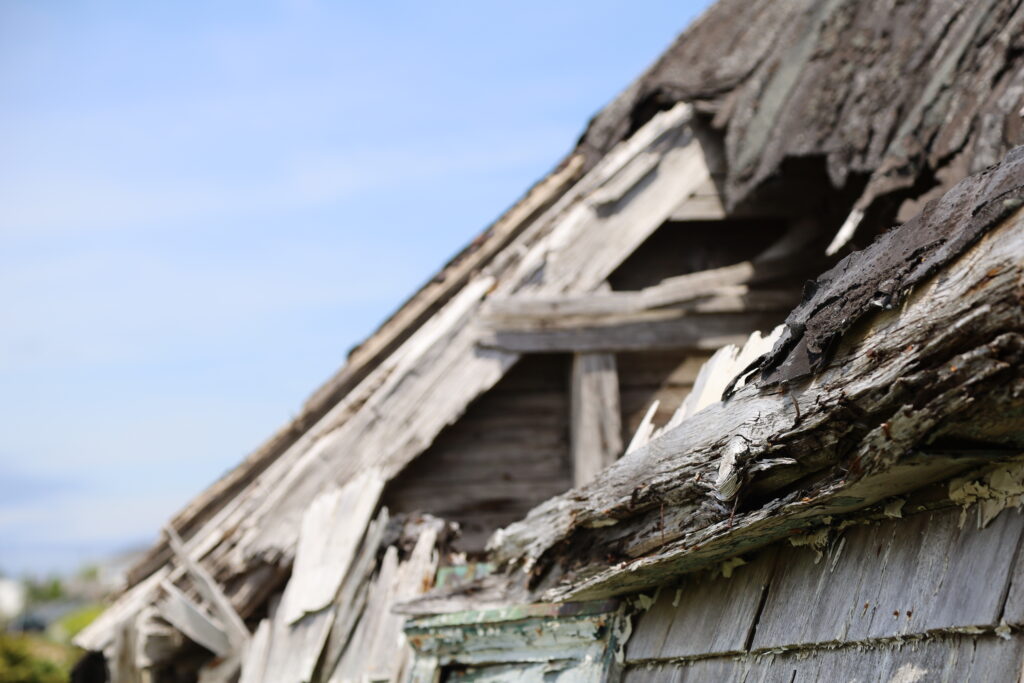
Storm damage claims can be tough. Many face issues like policy exclusions or claim denials. Some do not understand their insurance coverage limits. Others struggle with getting a fair settlement for their property damage.
It’s crucial to know these challenges before you file your claim. To learn more, keep reading!
Addressing policy exclusions
Policy exclusions can be tricky. Certain types of damage may not be covered by our homeowners insurance. For instance, flooding often requires separate flood insurance. We need to review our policy carefully to know what is included and what isn’t.
It helps to check for other exclusions as well, like wear and tear or specific natural disasters. These might limit our coverage during storm damage claims. If we find unclear terms, asking our insurance adjuster for clarification is a smart move.
Being informed lets us prepare better when filing claims for storm-related issues like hail or wind damage.
Handling denied or underpaid claims
Insurance claim denials and underpayments can be frustrating. We need to address these issues right away. Start by reviewing the denial letter carefully. This letter usually explains why our claim was denied or how the payment was calculated.
Understanding this information helps us identify any errors.
We should gather all Gather relevant documents for your homeowners insurance claim., such as repair estimates and receipts for temporary repairs. If we feel that our claim was unfairly denied or underpaid, we can appeal the decision to public insurance.
Contacting a public adjuster may also help us manage through complex claims processes with ease. Staying organized will strengthen our case as we work for achieving a fair insurance settlement for storm damage claims.
Tips to Maximize Your Settlement
To get the most from your insurance settlement, we should gather several repair estimates. This helps us show the true cost of repairs needed after storm damage. Keeping records of all our talks with the insurance company is also key.
We want to make sure everything is clear and documented for a smooth claims process. For more insights, keep reading!
Get multiple repair estimates
We need to gather multiple repair estimates after storm damage. This helps us understand the cost of repairs. Different contractors can give various prices for similar work. We should seek estimates from licensed contractors we trust.
Having several bids allows us to compare costs and services. It also gives our insurance adjuster a clearer picture of the needed repairs and their costs. If our claim is denied or underpaid, these quotes can support our case better.
Keeping all repair receipts will be crucial in this process too.
Keep records of all communication
Keeping records of all communication is crucial. We should save every email, text, or note related to our storm damage insurance claim. This includes messages from our insurance adjuster and any discussions about repair estimates.
Organization helps us stay on top of things. We can track conversations about coverage limits and policy exclusions easily this way. Keeping detailed records can support us if we face challenges later in the claims process.
Common Mistakes When Filing a Storm Damage Insurance Claim and How to Avoid Them
Filing a storm damage insurance claim can be tricky. We want to share common mistakes we all make and how to avoid them.
- Not documenting all damage clearly leads to problems. Taking photos and making lists helps show the full extent of the storm damage.
- Failing to read the insurance policy carefully causes confusion later. Knowing our coverage limits and policy exclusions is important for understanding what is covered.
- Delaying notification of the claim to the insurance company creates issues. We should report storm damage right away, as some companies have strict timelines.
- Going without temporary repairs worsens damage and costs more in the long run. Making quick fixes prevents further property damage while waiting for an adjuster.
- Ignoring advice from contractors can be costly later on. Using licensed contractors ensures repairs meet safety standards and help with our claims.
- Not keeping records of all communication with the insurance adjuster may hurt our case later on. Keeping notes of calls, emails, and meetings helps us track progress and agreements.
- Accepting initial settlement offers without question can lead to losses. Analyzing repair estimates helps us know if we are getting a fair deal.
- Forgetting about hidden damages after initial repairs ends up costing us more money down the road. Ensuring we check for wind or water damage Identifying flood damage in walls or roofs is vital before closing home insurance claims.
Moving forward requires careful attention when filing claims after storm damage occurs, especially when it comes time for permanent repairs.
Conclusion
Storm damage can be tough to handle. We must know how to work through the insurance claims process. Staying safe and documenting the damage is key. After that, we should review our insurance policy carefully.
Understanding our coverage helps us avoid surprises later on. With good paperwork and a reliable contractor, we stand a better chance of getting fair settlements for our claims. Let’s take these steps together and make this process easier!
FAQs
1. What types of storm damage does homeowners insurance cover?
Homeowners insurance can cover wind damage, hail damage, and some property damage caused by storms. Floods and mudflow are not covered unless you have separate flood insurance or coverage under the National Flood Insurance Program.
2. How do I start a storm damage insurance claim?
After a storm, contact your insurer to report the property damage. Take photos, keep repair receipts for temporary repairs, and get repair estimates from licensed contractors before making permanent repairs.
3. What is the role of an insurance adjuster in my claim?
Insurance adjusters inspect your home after you file a storm damage claim. They estimate costs for structural damage or water damage and help decide if you get replacement cost or actual cash value.
4. Can my claim be denied due to policy exclusions or coverage limits?
Yes; claims may be denied if your homeowner’s policy has exclusions for certain events like floods or hurricane damage, or if damages exceed your coverage limits.
5. How do I avoid contractor scams after filing an insurance claim?
Use only licensed contractors when repairing property after insured losses such as hurricane or hail events. Beware of fraudsters offering rebates; always verify credentials before paying with credit card.
6. Are there options if my storm-related property insurance claim is denied?
If your insurer denies your claim, seek a free consultation with a public adjuster or legal expert familiar with Texas storm damage claims; they can review denial reasons and guide next steps through agencies like FEMA or the Small Business Administration.