

Every year, hurricane season brings new worries for us as homeowners. We all want to keep our families safe from strong winds, heavy rain, and even storm surge. It’s normal to feel nervous when we watch weather alerts or hear about powerful storms on the news.
Many of us know these feelings well. Did you know the Atlantic hurricane season runs from June through November? By looking at trusted sources like ready.gov and NOAA’s National Weather Service, we found some simple steps that help with getting ready for hurricanes.
In this post, we’ll share how to prepare your home by using storm shutters and having emergency supplies on hand. We’ll also talk about making evacuation plans and looking into flood insurance.
These steps can help our loved ones stay safe during severe weather.
Keep reading for easy tips you can use before a hurricane hits!
Key Takeaways
- The Atlantic hurricane season runs from June 1 to November 30 each year (NOAA).
- Check your risk by visiting FEMA’s Flood Map Service Center or floodsmart.gov and sign up for emergency alerts from the National Weather Service.
- Prepare your home with storm shutters, secure loose items, trim trees, clear gutters, and check that your roof is strong.
- Have an emergency supply kit with at least three days of water, food, flashlights, batteries, a first aid kit, cash, maps, and important documents in a waterproof container.
- Make sure you know your insurance policies for coverage on natural disasters like hurricanes. local evacuation routes and have both home insurance and flood insurance through the National Flood Insurance Program if needed.
Know Your Hurricane Risk
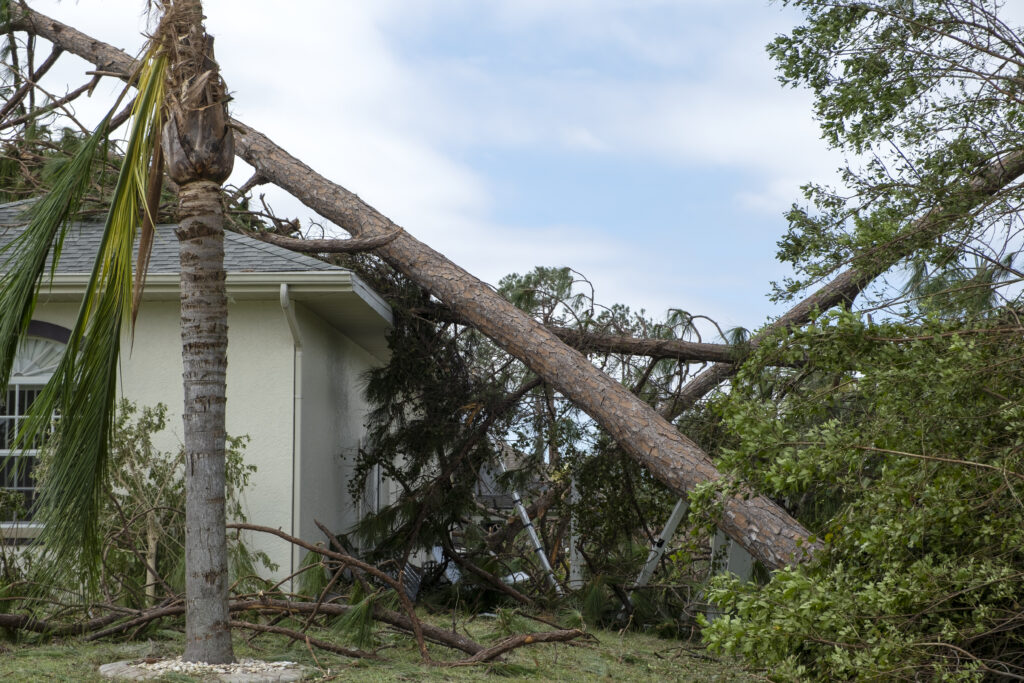
Hurricane season in the Atlantic runs from June 1 to November 30. Our homes may be at risk for high winds, tropical storms, or storm surge, especially if we live near the coast or a flood zone.
We can check our address through FEMA’s Flood Map Service Center or visit floodsmart.gov to see if we are in an evacuation zone.
Emergency management offices and NOAA’s National Weather Service give us updates on Hurricane watches and warnings are critical alerts that help us prepare our shelter and supplies.. These alerts tell us when a tropical-storm or severe weather is approaching.
Knowing our hurricane risk helps us decide about home insurance, flood insurance from the National Flood Insurance Program, and how soon we may have to evacuate to a designated shelter. Next, let’s talk about ways to prepare our home and property for safer hurricane seasons.
Prepare Your Home and Property
Now that you know your hurricane risk, it’s time for us to prepare our home and property. This step is crucial to protect both during hurricane season.
- Check your home’s roof. Make sure it’s secure and fix any loose tiles or shingles.
- Clear gutters and drains. This helps water flow away from your house during heavy rains.
- Install storm shutters on windows and doors. They guard against high winds and flying debris.
- Reinforce garage doors. A strong garage door can prevent wind from getting inside and causing damage, ensuring your shelter remains intact.
- Trim trees and shrubs around your house. This reduces the risk of branches breaking off and hitting your home, which is crucial for maintaining a safe shelter.
- Secure outdoor items or bring them inside. Stuff like patio furniture can become projectiles in high winds, posing a risk to nearby shelter locations.
- Create a flood barrier with sandbags if you’re in a flood zone to reinforce your shelter. It helps keep flood waters out of your house.
- Check your homeowner’s insurance Review your insurance policies for coverage on natural disasters like hurricanes to ensure adequate protection.
- Make sure you have flood insurance through the National Flood Insurance Program, especially if you’re at risk.
- Set up an emergency communication plan with your family, so you know how to contact each other.
- Know your evacuation zone and routes in case you need to leave quickly.
- Sign up for emergency alerts from the National Weather Service to stay updated on storm systems.
Taking these steps will help us protect our homes and families from the harsh effects of hurricanes and other severe weather events.https://www.youtube.com/watch?v=uL0i3JcKFrc
Assemble an Emergency Supply Kit
After getting our home ready, it’s time to put together an emergency supply kit. This is a key step in hurricane preparedness.
- Water is a must. Store at least one gallon of water per person per day for at least three days, for drinking and sanitation.
- Food that won’t go bad, like canned goods and energy bars, should be enough for three days.
- Keep a manual can opener in the kit so we can open canned food without electricity.
- Flashlights and extra batteries are important to have when the power goes out.
- A first aid kit First aid kits can help with minor injuries during the storm, ensuring safety at home or in a shelter.
- We need to keep a whistle to signal for help if we get trapped.
- Dust masks are good to have on hand to filter contaminated air.
- Plastic sheeting and duct tape can seal windows or doors if broken, providing a temporary shelter from the elements.
- Moist towelettes, garbage bags, and plastic ties are needed for personal cleanliness since we might not have running water during a power outage.
- Wrench or pliers will turn off utilities like gas and water if necessary.
- Local maps will help us find evacuation routes since GPS may not work during severe weather.
- Make sure our cell phones have backup batteries or chargers that don’t need power outlets.
- Copies of personal documents (like insurance papers) should be kept in a waterproof container.
- Sleeping bags or warm blankets for each person are crucial if we lose heating or have to evacuate.
- Our emergency plan includes having cash since ATMs might not work after the storm hits, and we may need to access shelter locations.
These supplies ensure we’re ready for anything during hurricane season, including high winds and floods from tropical storms or hurricanes, as advised by the hurricane center.
Conclusion
We can all take steps to stay safe during hurricane season. Preparing now helps us protect our homes and loved ones. Let’s gather our checklist of essential supplies for the upcoming hurricane season. emergency supplies, check flood insurance, and set up an evacuation plan.
Keeping informed through alerts from the National Weather Service is key too. Together, we can face these storms with confidence!
FAQs
1. What should I include in my emergency kit for hurricane season?
Pack backup batteries, water, non-perishable food, first aid supplies, a flashlight, and important documents. Add extra medication and items for babies or pets. Check ready.gov for a full list of disaster supplies.
2. How do I know if my home is in an evacuation zone?
Contact your local emergency management office or check online maps to see if you live in an evacuation zone. Learn the hurricane evacuation routes before severe weather arrives.
3. Why are storm shutters important during hurricanes and tropical storms?
Storm shutters protect windows from high winds and flying debris during hurricanes or thunderstorms. They help prevent damage to your home.
4. Do I need flood insurance even if I do not live near water?
Yes; flooding can happen anywhere during a storm surge or heavy rain from wildfires or hurricanes. The National Flood Insurance Program at floodsmart.gov shares details about coverage options.
5. What is the difference between a hurricane watch and a hurricane warning?
A hurricane watch means conditions are possible within 48 hours; prepare now by reviewing your emergency plans and gathering emergency supplies. A hurricane warning means dangerous weather will arrive soon; follow all instructions right away.
6. How can families avoid carbon monoxide poisoning after a hurrricane?
Never use generators inside homes, garages, recreational vehicles, or near open windows after emergencies like hurricanes or wildfires since this causes CO poisoning risks with faulty appliances such as water heaters too close to living spaces.