

Hurricanes can come fast and give us little time to prepare. We worry about our family’s safety, damage to our homes, or losing things that matter during a big storm or flood. Many of us know how hard it is to get ready quickly when the weather changes.
About 40 percent of small businesses never reopen after major disasters like hurricanes. This shows how risky storms are for everyone—including people at home. We care about your safety and well-being because we live through these same storms in our community.
We read expert advice, checked government guides, and listened to real stories from people who have prepared for hurricanes.
This guide will help you make an evacuation plan. emergency kit, protect your home from strong winds, use simple tools like sandbags for floods, set up a clear evacuation plan with your family, and stay up-to-date with weather alerts.
These steps are easy but important—and they could save lives when a storm comes.
Let’s learn together how we can keep each other safe this hurricane season.
Key Takeaways
- About 40% of small businesses do not reopen after major disasters like hurricanes, showing how severe the risks are for everyone.
- Every home should have an emergency kit with at least hurricane preparedness in mind. one gallon of water per person per day for three days, non-perishable food, flashlights, extra batteries, and a first-aid kit.
- Storm shutters or plywood (at least five-eighths inch thick) can cut window breakage risk during a hurricane by up to 75%, according to the Insurance Information Institute.
- Placing sandbags around doors and windows and clearing gutters helps prevent flood damage during heavy rains and storms.
- Always know your hurricane safety plan. evacuation routes in advance; keep your car fueled since gas stations may close after a storm hits. Sign up for weather alerts from local authorities to get real-time updates.
Prepare an Emergency Kit
We need to gather an emergency kit for storms. We should make sure it has water, food that doesn’t spoil, and our medicines. Flashlights and batteries are also key items. A first-aid kit will help treat minor injuries during emergencies.
Stock water, non-perishable food, and medications
We store at least one gallon of water per person for each day. Experts suggest having a three-day supply on hand. Canned goods and dry snacks make good non-perishable food choices.
Peanut butter, granola bars, canned soup, and crackers last a long time. We keep these emergency supplies in a waterproof container to protect them from flood damage.
Medications are just as important as food and water. We refill all prescriptions before hurricane season starts. Over-the-counter pain relievers, allergy medicine, and any special items like insulin or inhalers go into our disaster kit too.
“Good preparation today means better chances tomorrow.
Include flashlights, batteries, and a first-aid kit
Flashlights help us stay safe if the power goes out during a storm. We should pack extra batteries to keep flashlights and radios running during storms. Reliable lighting lets us move around our home and check for damage after a hurricane.
A first-aid kit is important so we can treat small injuries right away. It should have bandages, antiseptic wipes, painkillers, and any prescription medication our family needs.
These basic emergency supplies support home safety in an outage or disaster situation. By keeping these items in a waterproof container, we protect them from water damage during severe weather.
Emergency kits with these tools make disaster readiness easier for everyone at home. Staying prepared with flashlights and medical supplies helps reduce risks when facing hurricanes or other natural disasters.
Secure Your Home
We need to make our homes safe from strong winds and heavy rain. Storm shutters can help protect our windows, while we should also secure loose items outside like furniture or garden tools.
Install storm shutters or board up windows
Storm shutters add a strong layer of protection to our windows. These barriers guard against flying debris and high winds during hurricanes. If we do not have storm shutters, we can use plywood boards as an alternative.
The Federal Alliance for Safe Homes states that wood sheets should be at least five-eighths inch thick and cut to fit each window snugly.
“Boarded-up windows can reduce the risk of breakage by up to 75% during a hurricane,” says the Insurance Information Institute. Storm preparedness starts with simple steps like this, helping us keep our homes and families safe from damage in natural disasters.
Reinforce garage doors and secure outdoor objects
We need to reinforce our garage doors. Strong winds can damage weak doors. We can install braces or heavy-duty hardware for added support. This helps prevent them from blowing in during a storm.
Outdoor objects must be secured as well. Items like patio furniture, grills, and garden tools can become dangerous projectiles in high winds. We should bring these items inside or tie them down firmly.
Taking these steps increases our home safety and protects our property during a hurricane.
Protect Against Flooding
We should place sandbags around doors and windows to stop water from coming in. Clear out gutters and drains so rain can flow away easily.
Place sandbags around entry points
We can protect our homes from flooding by placing sandbags around entry points. These bags act as barriers against rising water. We should fill the bags with sand and stack them near doors, windows, and vents.
This will help keep water out.
After heavy rains or during a storm warning, we need to check the placement of these sandbags. It is important for us to ensure they are hurricane prepared. secure and intact. Properly placed sandbags can make a big difference in keeping our home safe from flood damage.
Clear gutters and drains of debris
Gutters and drains can fill with leaves, twigs, and other debris. We must clean them out regularly to avoid clogs that can worsen flooding. Blocked gutters can cause water to overflow during heavy rain. This could lead to flooding around our homes.
Clearing these areas helps protect against water damage. We should inspect our gutters at least twice a year. It’s also wise to check after big storms. Keeping them clear is a simple but effective step in flood protection for homeowners like us.
Plan for Evacuation
When we plan for evacuation, we should know our escape routes. It’s also smart to keep our car fueled and ready at all times for hurricane evacuation.
Know your evacuation route
We need to know our evacuation route before a hurricane hits. This plan keeps us safe and helps us leave quickly if necessary. We should choose main roads whenever possible for evacuation. Maps can help us identify safe paths away from danger.
It’s also smart to practice the route as a family. Familiarity with our escape plan makes it easier when we are under stress. Keeping our vehicle fueled is crucial too, so we’re ready to go at a moment’s notice.
By having an effective evacuation plan, we increase our safety during storms and other emergencies.
Keep your vehicle fueled and ready
Knowing our evacuation route is key. We should also keep our vehicle fueled and ready to go. After a storm hits, gas stations may close or run out of fuel. We cannot risk being stuck without gas.
Let’s fill up our tanks before the hurricane arrives. Keeping extra supplies in the car helps too, like water and snacks. This way, we can stay safe during an emergency and leave quickly if needed during a hurricane.
Stay Informed
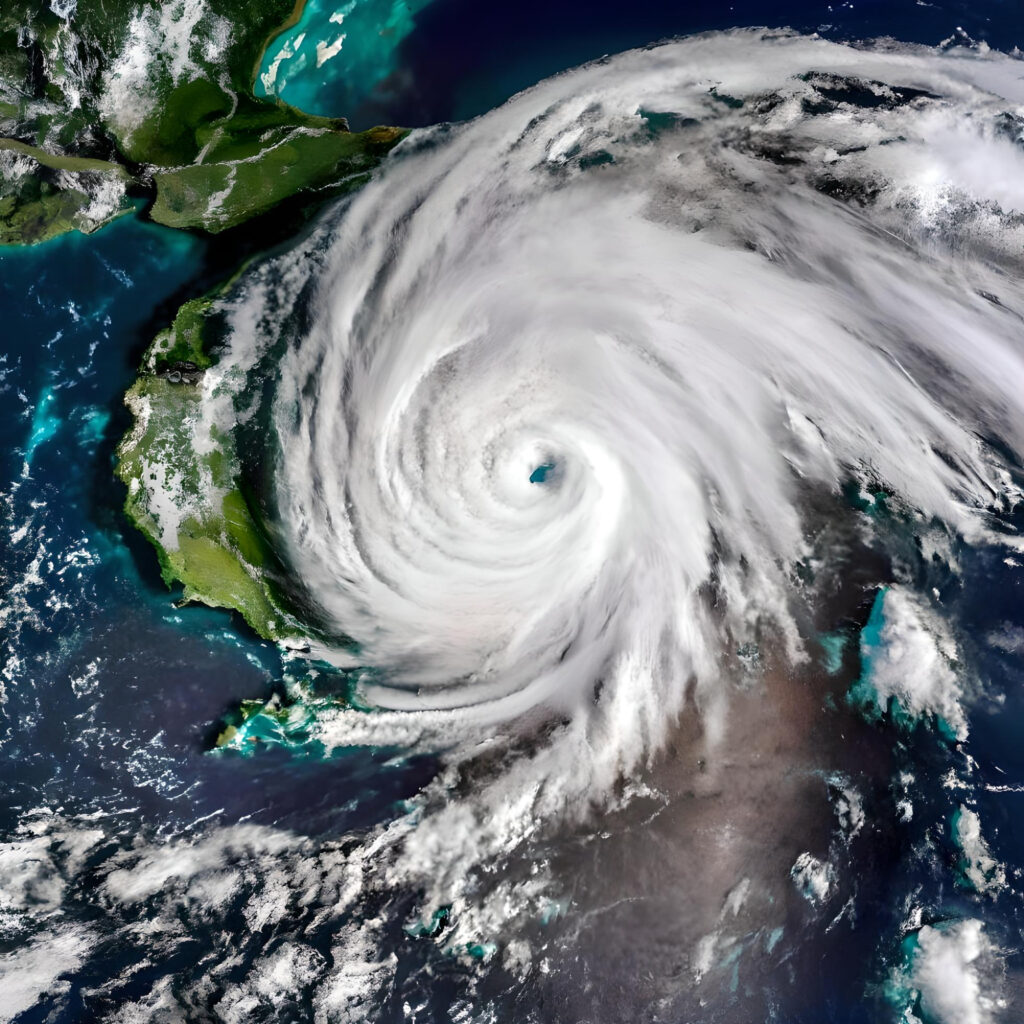
Staying informed is key during a hurricane. We can sign up for weather alerts to get the latest updates.
Sign up for weather alerts
We can sign up for weather alerts to stay safe during hurricanes. These alerts give us important updates about storms in our area. We can receive these notifications through text messages, emails, or phone calls.
Local authorities provide timely information about changing weather conditions during a tropical storm. Staying informed helps us prepare and act quickly if a hurricane approaches. Signing up takes just a few minutes but could make a big difference in keeping our homes and families safe.
Follow updates from local authorities
We need to stay informed. Local officials share important news about storms and safety. They give updates on evacuation routes, shelter locations, and weather changes. By following their guidance, we can protect ourselves and our homes.
Sign up for weather alerts from trusted sources. This way, we will get real-time information directly to our phones or emails. We should also listen to local news reports on the radio or television.
Staying updated helps us make smart decisions during a hurricane event.
Conclusion
We can all take steps to stay safe during a hurricane. Preparing an emergency kit Preparedness is a smart move. We should also secure our homes and think about flood protection. Knowing our evacuation plan helps too.
Let’s stay informed with weather alerts and updates from local leaders. Together, we can make sure we are ready for anything that comes our way!
FAQs
1. What are the best hurricane prevention tips for homeowners?
Homeowners should secure windows and doors, trim trees near their homes, and check their roofs. They should also prepare an emergency kit with supplies like food, water, and first aid items.
2. How can I protect my home during a hurricane?
To protect your home, install storm shutters or plywood over windows. Reinforce garage doors and secure outdoor furniture to prevent them from becoming projectiles in strong winds.
3. Should I have an emergency plan for hurricanes?
Yes, every homeowner needs an emergency plan. This plan should include evacuation routes, communication methods with family members, and a safe meeting place outside the home.
4. How can I stay informed about hurricanes?
Stay updated by following local weather forecasts on TV or radio during hurricane season. You can also use smartphone apps that provide alerts about storms in your area to ensure you are well-prepared.