

Common Exterior Signs of Storm Damage
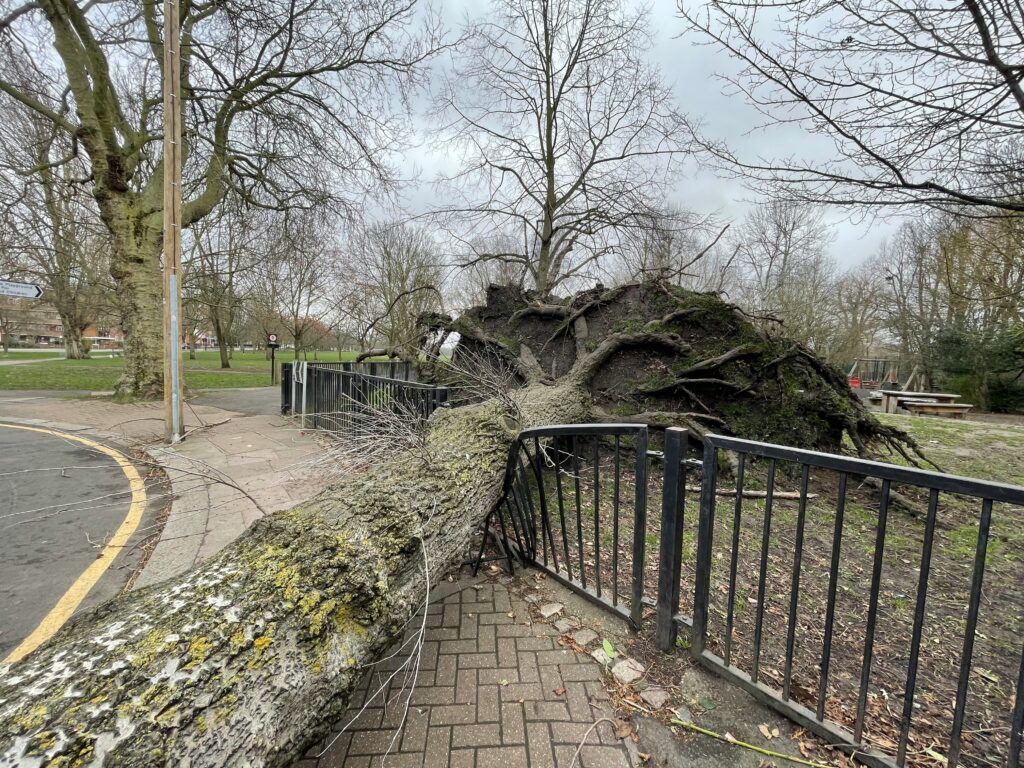
After a storm, we should check our roofs carefully. Look for missing shingles or broken ones. These can let water in and cause leaks. We may also find dented vents or flashing that need fixing.
If we see shingle granules in the gutters, that’s another sign of damage. Keep an eye out for these signs to protect our homes better!
Missing or lifted shingles
Missing or lifted shingles often lead to roof damage after severe weather. Strong winds can peel off roofing tiles, while hailstones break or crack them. Gaps in the roof let rainwater seep underneath, causing water leaks and ceiling stains Water damage inside our homes can become a serious issue after a flood.
We may not spot these issues from the ground, particularly after a tornado has passed through. Missing shingles slide down into gutters; this leads to clogged gutters and shingle granules on the lawn, increasing the risk of structural damage. Roof leaks left untreated bring mold growth, damp insulation, and structural problems fast.
“Even a few missing shingles can cause roof leaks that homeowners miss until it’s too late.”
A simple roof inspection after a storm helps us find hidden storm damage right away. If we notice broken shingles or bare patches, we should contact a licensed roofing contractor for repairs before bigger problems grow.
Insurance companies require quick reporting of any storm-damaged roofs for an insurance claim with credit card payments or other payment methods accepted as proof of work done.
Dented flashing or vents
After missing or lifted shingles, we also need to check our roof flashing and vents for dents. Hail storms often cause damage here, contributing to the overall types of storm damage we need to monitor. Even small dents in metal flashing or vent pipes can lead to roof leaks later.
Moisture sneaks through these weak spots, causing water stains on ceilings and walls.
We should look at the thin metal strips around chimneys, skylights, and edges of our roofs. Bent or dented flashing lets water enter under roofing materials, which may trigger Mold growth inside attics can be exacerbated by flood conditions following a severe storm. or behind walls.
Damaged attic vents can keep moisture trapped in the attic as well. Regular roof inspection helps us catch hidden storm damage before it leads to costly repairs like a full roof replacement or ongoing water damage problems that affect property value, especially after a hurricane.
If we spot dings after strong wind or hail, it’s smart to call a local roofing contractor for help with repairs before filing an insurance claim related to types of storm damage.
Shingle granules in gutters or on the ground
Dented flashing or vents can signal roof trouble. We may also notice shingle granules piling up in our gutters or on the ground after a strong storm. These tiny bits come from asphalt shingles and help protect them from sun, rain, and wind damage.
Large amounts of granules mean the roofing materials are wearing out Roofs may have taken a hit from hail or heavy rain during a severe storm. Without enough granules, shingles get weak faster and roof leaks become more likely.
Granule loss is one of the early signs of hidden storm damage that often gets missed during home inspections. Spotting these loose particles early helps us avoid bigger water damage problems inside our homes like ceiling stains and mold growth.
If we see yards full of granules near downspouts, it’s smart to call a roofing contractor for an inspection before small issues turn into Costly roof repairs or even roof replacement may be necessary if we don’t address types of storm damage promptly..
Subtle Interior Indicators of Storm Damage
Water stains can appear on our ceilings and walls after a storm. We might smell dampness or see wet insulation in the attic, which can lead to bigger problems like mold growth.
Water stains on ceilings or walls
Ceiling stains and wall stains can point to roof damage from recent storms. These yellow, brown, or gray spots often mean we have hidden storm damage like roof leaks or water seepage.
Roof flashing or broken shingles may let rain get inside and cause water stains on our ceiling. Sometimes we notice shingle granules in gutters after heavy wind damage, which increases the risk of leaks.
Drywall near these stained spots might feel damp to the touch. Storm-damaged roofs allow moisture through and this can lead to mold growth if left unchecked. Even small marks may signal a bigger issue with roofing materials above that could need repairs or even a full roof replacement.
After spotting any ceiling stains, we should also check for damp insulation or musty odors in the attic.
Damp insulation or musty odors in the attic
Damp insulation shows that water has entered our attic. This can happen after a storm. We might notice musty odors as well. These smells often mean mold is growing. Mold thrives in wet areas and can damage roofing materials.
We should check the insulation regularly. If we spot dampness or smell something odd, especially after a storm surge, it’s time for action. Water seepage may come from roof leaks or broken shingles. Getting a roof inspection is essential to find the source of the problem before it worsens.
It’s crucial to address these issues quickly to protect our homes from further storm damage and potential health risks associated with high wind events.
Why Hidden Storm Damage Poses a Risk
Hidden storm damage is a big worry for us as homeowners. We may not see it right away, but it can lead to serious problems later, particularly after a hurricane or tornado. Roof leaks often start from missing shingles or broken flashing, allowing water in.
This can cause water stains on our ceilings or walls. If we ignore these signs, mold growth can happen too.
Our homes are at risk of other issues as well. Water seepage might weaken the foundation over time, leading to cracks and costly repairs. Damaged roofing materials could create an expensive insurance claim if we wait too long to address them.
Regular roof inspections help catch hidden damage early and keep our homes safe from storms.
Conclusion
We often miss signs of storm damage in our homes. Water stains on ceilings and walls can show leaks we can’t see. Seeing shingle granules in gutters tells us the roof might be in trouble.
Missing shingles or broken flashing are clear signs of strong winds or hail damage. Regular roof inspections help catch these problems early, keeping our homes safe and dry.
FAQs
1. What roof damage should I check for after a storm?
Look for missing or broken shingles, shingle granules in gutters, roof leaks, and damaged flashing. These signs often point to hidden storm damage.
2. How can water stains signal storm-related problems?
Water stains on ceilings or walls may mean water seepage from roof leaks or clogged gutters. Mold growth and ceiling stains are also warning signs.
3. Why is it important to inspect the foundation after a storm?
Foundation cracks can result from heavy rain and fallen trees during storms. Water damage near sheds or around the base of your home needs fast attention, especially after a flood.
4. Can hail cause more than just visible dents on my house?
Yes, hail damage may break roofing materials and windows; it can harm your HVAC system as well as your water heater.
5. When do I need a roofing contractor for repairs?
If you find any wind damage, missing shingles, or see evidence of mold growth on storm-damaged roofs, contact a roofing contractor immediately for inspection and possible roof replacement.
6. How do insurance claims work if I spot these issues?
Take photos of all visible damages like wall stains or window cracks; keep receipts for any emergency repairs made with debit card payments so insurers process your homeowners insurance claim faster.