

Understanding Flash Flood Risks in South Florida
South Florida faces a high flood risk because of heavy rain from tropical storms and hurricanes. Flash flooding can occur rapidly after torrential rains. Streets, storm drains, crawlspaces, and even basements can fill with water in minutes.
Cities like Miami often address urban flooding since storm water has nowhere to go when drains get blocked by debris. Riverine flooding along lakes and rivers is also common in areas near the Everglades or coastal zones.
We know that floods can occur during hurricanes such as Hurricane Irma in 2017 or Hurricane Andrew. Even short but intense thunderstorms can trigger flash floods here. The National Weather Service notifies us about these risks through emergency alerts so we have time for an emergency evacuation if needed.
FEMA and the National Flood Insurance Program assist homeowners in preparing for possible flood damage, including water extraction and mold prevention afterward. With South Florida’s humid weather, standing water leads to mold growth quickly inside our homes if we are not prepared ahead of time with sump pumps or proper drainage systems outside our houses.
Preparing Your Home for Flash Flooding
Preparing your home for flash flooding is essential. We can start by installing barriers and drainage systems to keep water out.
Installing flood barriers and drainage systems
South Florida faces serious risks from flash flooding. We need to protect our homes with smart planning.
- Install flood barriers around your property. These barriers keep water out. They work well for homes close to water or in low-lying areas.
- Use sandbags when storms approach. Place them around doors and low windows. This is a quick way to block water.
- Clear gutters and storm drains regularly. Leaves and debris can block them, causing water to back up.
- Add green solutions like rain gardens. They absorb rainwater and reduce runoff. Plus, they make your yard look great.
- Consider a sump pump for your basement or crawl spaces. It pumps water out before it can cause damage.
- Elevate electrical systems and appliances in flood-prone areas of your home. This prevents shock hazards during floods.
- Check if you’re in a Special Flood Hazard Area. If so, think about private flood insurance or the National Flood Insurance Program (NFIP).
Moving on, let’s talk about how to secure important documents and valuables before a flood hits.
Securing important documents and valuables
We should keep our important papers, like home insurance policies and flood insurance documents, in a waterproof and fireproof safe. Placing passports, Social Security cards, birth certificates, and property deeds inside sealed plastic bags adds extra protection from waterdamage during severe weather or flash flooding.
Storing digital copies of these files on a secure cloud service can help us access them after a category 4 storm such as Hurricane Irma in 2017 or strong coastal flooding events.
Small valuables like jewelry or family keepsakes go into locked boxes placed above ground level to avoid possible structural damage from rising water. Keeping cash handy in case ATMs shut down due to power loss is also smart for emergency management situations.
Setting up an emergency plan covering how we store and grab these items before evacuation helps keep our families safer during natural disasters that often impact the Florida Keys and other areas at risk for floods.
Safety Measures During a Flash Flood
When a flash flood hits, we need to have a plan. We should make sure our evacuation routes are clear and know where high ground is.
Staying safe means avoiding floodwaters. These waters can hide many dangers, like electricity risks.
Evacuation plans and moving to higher ground
We all need to be ready for flash floods, especially in South Florida. Making evacuation plans and finding higher ground are key steps.
- Know your area’s flood risk. Check with the Federal Emergency Management Agency (FEMA) to see if you live in a flood-prone area.
- Sign up for alerts from the National Weather Service. They give important updates on severe weather.
- Learn your evacuation routes ahead of time. The State of Florida has maps that show the best ways out.
- Keep an emergency kit ready. Include water, food, flashlights, batteries, a first aid kit, and important documents.
- Plan where to meet family members if you get separated. Choose a safe place outside your home and neighborhood.
- Move important items to higher floors or shelves in your house to keep them dry.
- Practice your evacuation plan with everyone in your home.
- Make sure your car has enough gas before a storm hits.
- Understand that evacuation orders mean it’s not safe to stay home.
- Talk to neighbors about their plans, especially if they need extra help like older people or those without cars.
Staying safe means planning ahead and knowing what to do when a flood warning is issued.
Avoiding floodwaters and electrical hazards
Moving to higher ground is key during a flood. Staying safe from floodwaters and electrical hazards is just as important.
- Stay away from flooded areas. Flooding can hide sharp objects, debris, or even open manholes. It’s best to avoid it altogether.
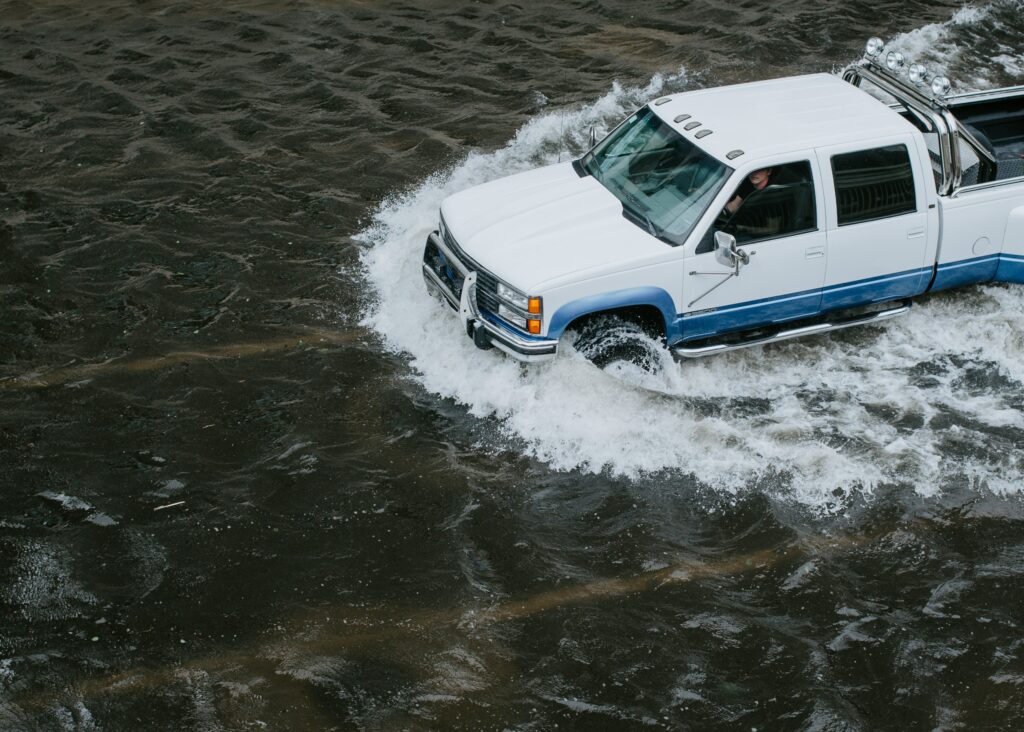
- Do not walk or drive through floodwaters. The water might be deeper than it looks, and fast-moving currents can sweep us away.
- Look out for fallen power lines. They can pose serious risks when they are in or near water. Avoid approaching them at all costs.
- Turn off electricity if we see flooding inside our homes. If water reaches outlets, electrical systems may short circuit and cause fires or shocks.
- Keep our emergency kit ready on higher ground. This kit should include items like flashlights, batteries, first aid supplies, and non-perishable food to help during emergencies.
- Keep important documents safe and dry in waterproof bags or containers. This includes insurance papers like our flood insurance policy and identification.
- Know the evacuation routes well before flooding occurs. Planning how to leave safely helps us stay calm during an emergency.
- Report any downed power lines to local authorities immediately for your safety and others’. Quick action can prevent dangerous situations for everyone nearby.
- Check local weather updates often from reliable sources like the National Weather Service during severe storms, hurricanes, or electrical storms to stay informed about conditions that affect us.
- Be cautious of potentially contaminated waters after flooding; pollutants can enter the water supply easily after heavy rains or storm surges occur in South Florida.
Tornado and Severe Weather Risks: Safety Tips and What to Do Next
Tornadoes can hit South Florida, especially during hurricane season. They bring strong winds and heavy rain that may cause serious damage. We should always stay alert to warnings from the National Weather Service.
It is smart to have an emergency plan ready in case a tornado strikes.
Finding safe places in our homes is essential. Basements or interior rooms are best for shelter during these storms. Avoid windows; flying debris can be dangerous. After the storm, check for hazards like fallen trees or electric lines before going outside.
Staying informed helps us keep our families safe from severe weather risks and flood damage too.
Post-Flood Recovery Tips for Homeowners
After a flood, we need to act fast. We should clean up water damage right away and check our homes for mold growth.
Cleaning and repairing water damage
Cleaning and repairing water damage is crucial for homeowners. Floods can cause serious problems, and timely action helps prevent mold growth.
- Turn off the power in your home to avoid electrical hazards. This keeps us safe while we work on repairs.
- Remove standing water as quickly as possible using a water extractor or wet vacuum. This prevents further damage to our floors and walls.
- Dry out the affected areas with fans or dehumidifiers. Keeping things dry is key to stopping mold from forming.
- Take out soaked materials like carpets, drywall, and insulation. These items can hold moisture and cause mold problems later.
- Clean everything with soap and water or a commercial cleaner designed for flood damage. This helps eliminate dirt, debris, and bacteria.
- Apply disinfectants to all surfaces that touched floodwater. It reduces germs and makes the area safer for our families.
- Check for structural damage after everything dries out. We need to look at walls, foundations, and ceilings for cracks or weaknesses.
- Contact professionals if needed, especially when dealing with large damages or mold issues. Experts can provide proper restoration services.
- Document all damages with photos before beginning repairs for insurance claims purposes. This helps us when working with our insurance coverage later.
Staying proactive about post-flood recovery ensures a safer home environment for everyone involved in the cleanup process ahead of tackling essential tools and resources for flood preparedness next.
Contacting insurance and restoration professionals
After a flash flood, we must act quickly. The right steps can save us time and money.
- Reach out to our insurance agent as soon as possible. They will guide us on how to file a claim for flood damage. Having flood insurance makes this process smoother.
- Document all damage to our property. We should take pictures of any affected areas before starting the cleanup. This documentation will help with our insurance claim.
- Contact a restoration company that specializes in flood recovery. These professionals have tools for water extraction and mold removal. They can reduce further damage to our home.
- Check if we qualify for assistance through FEMA’s National Flood Insurance Program (NFIP). This program helps homeowners after severe floods, covering some repair costs.
- Keep a list of contractors for repairs and restoration work. We need reliable help to address structural damage and restore our homes after flooding.
- Ask about debris removal services if our yard is cluttered with storm debris. Clearing these areas reduces safety hazards around our homes.
- Communicate regularly with our insurance adjuster during the claims process. This keeps us informed about the status of our claim and potential coverage limits.
- Stay updated on local resources available for post-flood recovery, including community grants or programs that assist homeowners in getting back on their feet after flooding events like Hurricane Irma or Hurricane Wilma.
- Track all expenses related to repairs and recovery efforts, as this may be necessary for filing an accurate claim with our insurance provider later on.
- Always follow up on the progress of repairs with both restoration teams and contractors, ensuring everything is done properly and efficiently.
Taking these steps can help us navigate the aftermath of flash floods effectively, protecting ourselves and ensuring a safer home environment moving forward.
Essential Tools and Resources for Flood Preparedness
We need to gather essential tools and resources for flood preparedness. An emergency kit is vital. It should include food, water, flashlights, batteries, and a first aid kit. We must also have important documents ready; this includes our flood insurance papers.
Flood insurance can help us take care of damage later.
Installing storm drains or permeable paving can protect our homes from excess water. We should learn about evacuation routes ahead of time. Knowing these paths helps us reach higher ground quickly during a crisis.
The National Weather Service gives alerts about severe weather; we need to pay attention to those updates regularly for safety in South Florida’s changing conditions.
Conclusion
Flash flooding is a serious risk in South Florida. We must prepare our homes and families. Installing flood barriers helps protect against water damage. An emergency plan ensures we know what to do when storms hit.
After a flood, we can clean up and start fresh with the right tools and support. Let’s stay safe together!
FAQs
1. What kind of insurance covers flood damage in South Florida?
Flood insurance protects against flood damage. You can get coverage from the National Flood Insurance Program or private flood insurance companies.
2. How should I prepare an emergency plan for flash flooding?
Create an emergency plan that includes evacuation routes, a stocked emergency kit, and steps for debris removal near storm drains to prevent blockages.
3. What are the first steps after my home floods?
Start with water extraction to limit structural damage and call a flood restoration service. Begin mold prevention right away by drying out wet areas fast.
4. Why is it important to have hurricane shutters and know about dunes or beaches nearby?
Hurricane shutters protect windows during severe thunderstorms or hurricanes like Hurricane Irma or Category 5 storms. Dunes and beaches help reduce storm surge risk and support aquatic habitat health.
5. How do I file an insurance claim after storm damage in South Florida?
After documenting all storm damage, contact your insurer about your policy’s coverage limits for things like hailstones, lightning storms, or soil fertility loss due to flooding.
6. Are there programs that help with flood mitigation in the Florida Panhandle region?
Yes; community development block grants often fund local projects such as improved channels, better storm drains, and other flood prevention efforts throughout the Florida Panhandle area.