

Many of us have seen cracks or stains on the stucco outside our homes. Sometimes, there are even chunks falling off, or signs of water damage and mold starting to show. Stucco problems look bad and can also lead to bigger issues if left alone.
These troubles can feel overwhelming and stressful. Water is the number one enemy for stucco; it finds its way in through small cracks and causes dry rot behind your walls. After looking into construction materials and DIY stucco repair, we discovered simple ways to fix these problems before they get worse.
This guide will help you spot different types of stucco damage, choose tools like a wire brush, and walk through basic repairs such as applying a scratch coat and finish coat with a sponge float.
You’ll also find tips on painting patched areas so they blend with the rest of your wall. We include helpful advice about preventing future damage by keeping up good stucco maintenance.
You may be surprised at how manageable this project can be!
Key Takeaways
- Stucco damage shows up as cracks, stains, and mold. Early repairs stop water from causing worse problems like dry rot or structural harm.
- Basic tools for repair include a wire brush, trowel, hawk, sponge float, and safety glasses. Use quality stucco mix for strong results.
- Repair steps are: remove loose stucco, fix the lath if needed, then apply scratch coat, brown coat, finish coat, and match color/texture before painting or sealing.
- Check your home’s stucco at least once a year for signs of trouble. Cleaning and sealing help prevent future damage.
- If you see large cracks or deep water damage, call a professional. For insurance claims on stucco repairs: take photos of damage and review your policy first.
Recognizing Stucco Damage
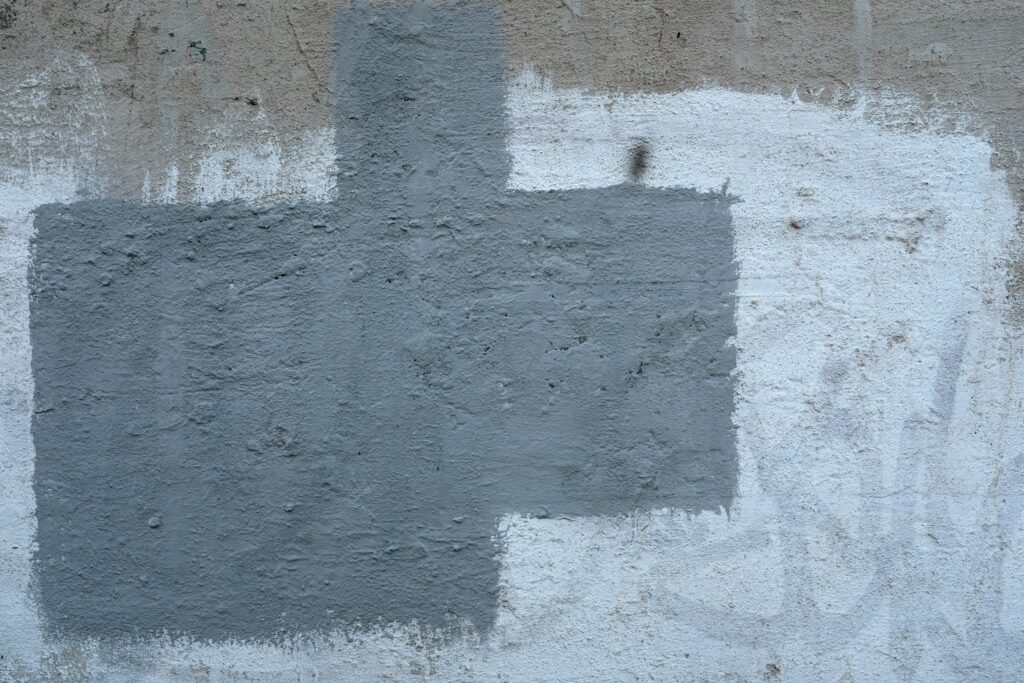
Stucco damage can show up in different ways. Cracks, peeling paint, or mold growth are common signs we must watch for. Water often causes these issues. Look out for areas that feel soft or have discolored spots.
Identifying these problems early helps us protect our homes better.
https://www.youtube.com/watch?v=5cyJsasjVok
Common signs of stucco issues
Cracks are one of the most common signs of stucco damage. We might spot thin hairline cracks or wide gaps across the walls. Water stains show up as dark patches, which can mean water has leaked behind the surface.
Bubbles in paint or a chalky residue often point to moisture trapped inside.
We also need to watch for pieces that feel loose when we tap them with a wire brush. Mold growth and soft spots signal trapped moisture and possible bigger structural issues underneath.
Large holes or missing chunks in our finish coat also tell us there is real damage that needs quick stucco repair before things get worse.
Types and causes of damage
Moisture is a big cause of stucco damage. Water leaking behind the wall, faulty flashing, or clogged gutters can let water get trapped. Paint that bubbles up and dark patches mean we have water damaged stucco.
Holes in the surface may come from things hitting the wall or from woodpeckers making nests.
Sun and wind also wear down finish coats over time. This makes small cracks in the stucco mix grow larger if left unchecked. Poor wire mesh installation can weaken the structure too; for example, loose metal lath allows sections to break away.
“Small gaps tell us bigger problems might be hiding beneath.” Sometimes drywall inside gets stained if there is a leak outside, which hints at deeper issues with how our home was built or sealed.
Stress from settling or shifting foundations creates more splits on walls as well.
Essential Tools and Materials for Stucco Repair
To repair stucco, we need some basic tools. A wire brush helps us clean the area, while a sponge float smooths out the surface after applying new material.
Core tools needed
We need a few key tools for diy stucco repair. A wire brush helps us clean away old, loose stucco and dirt. We use a trowel to apply the new stucco mix smoothly onto the wall. A hawk holds our construction materials as we work.
A sponge float lets us create texture that matches the rest of our home’s surface. For bigger repairs, we may need metal snips to cut lath beneath damaged areas. Buckets are useful for mixing scratch coat and finish coat layers.
Safety glasses protect our eyes from dust during each step of stucco maintenance and painting tasks.
Recommended materials
For stucco repair, we need the right materials. First, we will use a good quality stucco mix. This is key for strong results. We also need a scratch coat and a finish coat to complete the job.
These layers help add strength and beauty.
Tools like a wire brush are essential for cleaning and prepping surfaces. A sponge float helps us smooth out the final layer of stucco. Having these items on hand keeps our project running smoothly.
“Success in any construction task starts with using quality materials.”
Step-by-Step Guide to Repairing Stucco
To repair stucco, we need to follow some key steps. Each step helps us restore the damaged area and make our home look great again.
Step 1: Remove damaged or loose stucco
We start by removing damaged or loose stucco. We use a wire brush for this task. This helps us loosen the old stucco. Some pieces may come off easily, while others need more effort.
Once we have removed the bad areas, we check the lath underneath. It needs to be in good shape before we can go further with repairs. This step ensures our new stucco will stick well and last longer as we move on to the next steps of repair.
Step 2: Inspect and repair the lath
We check the lath next. The lath is the wooden or metal framework behind the stucco. It supports our finish and holds everything in place. We look for any signs of damage, rot, or rust.
If we find broken pieces, we should remove them carefully.
Next, we need to replace damaged sections with new ones. Use treated wood or galvanized metal for durability. Once repaired, the lath should be clean and secure before moving on to the scratch coat step.
This will prepare us well for applying new stucco effectively.
Step 3: Apply the scratch coat
We start by mixing the stucco mix according to the instructions. The scratch coat is usually a blend of sand, cement, and water. It should be thick enough to stick but not too runny.
Next, we spread the scratch coat over the repaired area using a trowel. We want it about half an inch thick. After applying it, we use a wire brush or comb tool to create scratches on its surface.
These scratches help the next layer bond well with this coat. It’s crucial to let this coat dry for at least 24 hours before moving on to the brown coat.
Step 4: Add the brown coat
After we apply the scratch coat, it’s time to add the brown coat. This layer gives our stucco strength and helps with bonding. We mix a proper stucco mix for this step.
We should spread the brown coat evenly over the entire area. A trowel works well for this task. Make sure to press it firmly onto the surface. The thickness of this layer is important; aim for about 3/8 inch thick.
After adding, we can use a sponge float to smooth out any rough spots and give it texture. It is crucial that we let this layer cure properly before moving on to finish coats or paint.
Step 5: Finish with the top coat
We can now move on from adding the brown coat to finishing with the top coat. This step gives our stucco a nice finish and protects it well. We need to mix our stucco mix according to the package instructions.
A good consistency is like peanut butter, not too runny or thick.
Next, we apply the top coat with a trowel or a sponge float. Start at one corner and work your way across in smooth strokes. We should cover all areas evenly for a pleasing look. Once we finish applying, we can texture it if needed by using our sponge float or other tools for desired patterns.
Let’s keep an eye on it as it dries—this part adds beauty and strength to our repair job!
Step 6: Match texture and color
After we finish with the top coat, it’s time to match texture and color. This step ensures our repair blends well with the rest of the stucco surface. We can use a sponge float or trowel to create the same texture as the surrounding area.
Next, we need to choose a paint that matches the existing color of our stucco. Applying this paint will help everything look uniform. Mixing different colors or using multiple coats might be necessary for an exact match.
A careful approach during this stage helps maintain our home’s aesthetic appeal and makes our stucco repair less noticeable.
Step 7: Paint or seal the surface
We can paint or seal the surface after finishing our stucco repair. This step helps protect our work from weather and wear. We should choose a good exterior paint that suits stucco.
High-quality paints will last longer and keep colors bright.
Sealing can also be an option. A sealing product adds extra protection against moisture. Before applying, we must ensure the surface is dry and clean. After painting or sealing, allow time for it to cure properly before exposing it to rain or direct sunlight.
Now, let’s look at how we can prevent future stucco damage in our homes.
Preventing Future Stucco Damage
To stop stucco damage, we should check for cracks and moisture regularly. Keeping the area clean helps too. A good coat of paint can protect our stucco from bad weather. Regular checks go a long way in keeping our home safe.
Let’s learn more about how to care for our stucco!
Regular maintenance tips
We check stucco at least once a year. We look for cracks, discoloration, or peeling paint. Early spotting of these signs can save us money and effort later.
Cleaning the surface is crucial too. A simple wash with water and a mild soap helps remove dirt and grime. We may need a wire brush for stubborn spots. Sealing any cracks we find prevents moisture from causing more damage.
Frequent inspections keep our homes safe and beautiful. Now let’s explore how to spot early signs of damage before it gets worse.
How to spot early signs of damage
Cracks in stucco can appear small at first. We look for hairline cracks that widen over time. These gaps allow water to seep in and cause more damage. Staining on the surface marks water exposure, too.
We should check for mold or mildew growth around these areas.
Bubbles or blisters often signal trapped moisture beneath the stucco mix. Delamination is another warning sign; this happens when layers of stucco start to separate. Spots like these demand our attention right away to prevent bigger issues later on.
Next, let’s gather our essential tools and materials for repair work.
When to Call a Professional
There are times when stucco repair is too much for us to handle alone. If we see large cracks or water damage, we should call a pro. These issues can mean bigger problems with our home.
A trained expert will know how to fix them right and keep our home safe. Want more tips on caring for our homes? Keep reading!
Situations requiring expert assistance
Some situations need expert help for stucco repair. If we find structural issues, it’s best to call a professional. Cracks that are bigger than a quarter signal deeper problems. Water damage or mold growth is another sign we cannot ignore.
In these cases, an expert will know how to fix the problem properly. They have the right tools and materials like stucco mix and wire brushes for detailed work. DIY methods might not be enough when safety or long-term durability is at risk.
Homeowner’s Guide to Insurance Claims for Stucco Damage
Filing an insurance claim for stucco damage can be easy if we follow a few steps. Start by documenting the damage with photos. This helps show the extent of the problem to our insurance company.
Next, check our policy details. Not all damages are covered. We should understand what’s included in our plan. Once we know this, contact our insurer to start the claims process.
They will guide us on what information they need from us.
After that, it might help to gather repair estimates and keep them handy for reference. Having a clear record makes it easier to discuss with our agent about approved repairs or coverage limits related to stucco damage; this ensures we get fair treatment during the claims process.
Don’t forget that communication is key throughout this journey. Regular updates from both sides can clarify any doubts along the way. Knowing how much support we have opens doors to better service and faster resolutions when managing stucco repair issues through an insurance claim.
Conclusion
We can repair stucco damage on our homes with the right steps. First, we must spot the signs of wear. Next, having the right tools and materials makes a big difference. Performing repairs ourselves is rewarding.
With some effort, we can restore our home’s look and protect it from future issues.
For more detailed information about navigating insurance claims for stucco damage, check out our comprehensive Homeowner’s Guide to Insurance Claims for Stucco Damage.
FAQs
1. What causes stucco damage on a house?
Stucco damage often comes from water, poor stucco maintenance, or using the wrong construction materials. Sometimes, structural issues can make cracks worse.
2. How do I start diy stucco repair?
Begin by cleaning the damaged area with a wire brush to remove loose pieces and dust before you apply new stucco mix.
3. What steps are needed for proper stucco repair?
First, use the correct construction materials for your scratch coat and let it dry completely. Next, add a finish coat with a sponge float to match the wall’s texture.
4. Can I paint over repaired areas after fixing them?
Yes; once repairs are dry and glued well, you can begin stucco painting if the surface is not already painted.
5. When should I call an expert instead of doing diy stucco repair?
If you see large cracks or signs of deep structural issues under your walls, contact a professional rather than trying to fix major problems alone.