

Many of us have struggled with insurance claims after storm damage or property loss. It can feel confusing, slow, and sometimes unfair when dealing with the insurance company. We just want our homes fixed and our lives back to normal as fast as possible.
We understand how tough this process can be. Did you know that independent adjusters help settle thousands of insurance claims each year for people in situations like ours? We spent time learning about this topic and found helpful answers that make the claims process less stressful for homeowners.
In this blog post, we explain what an independent adjuster does and why they are important. We will share the benefits they bring, show how they differ from public adjusters or staff adjusters, and give tips on choosing the right one near you.
Discover how hiring an expert can make your claim go smoother and faster. Keep reading to learn more!
Key Takeaways
- Independent adjusters are licensed professionals who work for insurance companies but are not their employees. They assess property damage claims, especially during high-volume events like Hurricane Sandy in 2012 and Hurricane Ian in 2022.
- They provide unbiased evaluations because they serve multiple insurers, not just one company. Their reports help decide fair payouts for homeowners after storm or disaster losses.
- Independent adjusters handle tasks like inspecting damage, reviewing documentation (receipts, photos), speaking with witnesses, and using tools like Xactimate and DroneDeploy to estimate repair costs.
- Unlike public adjusters who work only for policyholders or staff adjusters hired by one insurer, independent adjusters stay objective and focus on following state licensing rules while helping resolve claims faster.
- To find a good independent adjuster near you, check their reviews, licenses, experience with local disasters (like major hurricanes), and ask for references before hiring. This leads to quicker claim settlements and less stress for homeowners.
What is an Independent Adjuster?
An independent adjuster is a person who works on insurance claims. They help assess property damage and determine how much money insurers should pay for losses.
Definition and Core Responsibilities
We call an independent adjuster a licensed professional who works for insurance companies but not as their employee. These adjusters help insurers handle cases, especially during busy times or natural disasters like Hurricane Sandy in 2012.
They act as third-party investigators and follow strict rules set by each state’s licensing requirements.
We see them inspect property damage, talk to policyholders, collect data, and figure out the size of the loss. Our claims process depends on their reports to sort out fair payments under various insurance policies.
As one industry expert says,.
Independent adjusters play a vital role helping both insurers and homeowners settle claims quickly after storm damage.
By working with many insurance carriers and understanding different types of risks from cyberattacks to general liability insurance issues, they allow us all to move through the insurance claims process faster and with more confidence.
Objectivity in Claims Handling
We rely on an independent adjuster to give us a fair review of our insurance claims. Independent adjusters work for different insurance companies, so they do not side with one company or another.
Their job is to look at the facts, check the property damage, and follow the rules set by state licensing requirements and insurance policies.
With no personal stake in our claim’s outcome, these professionals focus on clear evidence during every step of the claims process. For example, if we have storm damage or total loss after natural disasters, they compare reports from our contractors and photos from site visits before making any recommendations.
This helps homeowners like us get unbiased answers about coverage for property damage claims and ensures that both policyholders and insurers can trust the results.
Roles of an Independent Adjuster
Independent adjusters play a key role in the claims process. They investigate property damage and verify claims to ensure fairness for all parties involved.
Conducting Investigations
We know that dealing with property damage can be tough. That’s where independent adjusters step in, especially after natural disasters or storm damage. They play a crucial role in the insurance claims process.
- An independent adjuster visits your home to look at the damage. They take photos and make notes about what they see.
- They talk to you, the homeowner, to hear about the incident. This helps them understand how the damage happened.
- These adjusters go through police and fire reports if they’re part of your claim. It gives them more details.
- They check weather reports too, to match your claim with what the weather was like when the damage occurred.
- Sometimes, they need to speak with neighbors or witnesses. This can help confirm details of the event.
- Independent adjusters review receipts and estimates you have for repairs. This shows how much money might be needed to fix things.
- They use special software to estimate repair costs based on their findings and industry standards.
- The adjuster also checks your insurance policy carefully. They need to see what it covers and does not cover regarding your damage.
These steps are important for making sure everyone is fair during the insurance claims process. We work hard to get homeowners like you through tough times with as little stress as possible.
Verifying Claims and Documentation
Verifying claims and documentation is a key part of our job as independent adjusters. We ensure everything is correct before moving forward in the claims process.
- We check all submitted documents carefully. This includes receipts, photos, and any other proof of damage. Proper paperwork helps us understand the situation better.
- Important details can sometimes be missed, so we look for inconsistencies in the claim. If something seems wrong or unclear, we ask questions to get more information.
- Our goal is to establish the facts of each case clearly. We need to confirm that losses are real and covered under insurance policies.
- Checking for compliance with licensing requirements is also essential. Each state has its own rules about what adjusters must do during this process.
- Specialized knowledge helps us with complex claims like property damage from natural disasters. This allows us to identify all relevant factors that may affect coverage.
- We report our findings accurately to insurance companies after verifying everything. This ensures fairness in how claims are settled.
This careful verification protects homeowners like us from potential issues later on in the claims process.
Negotiating Settlements
Negotiating settlements is a key role for an independent adjuster. They work to find a fair amount that both the homeowner and the insurance company can agree on. Their experience with insurance policies helps them understand what is reasonable in each case.
An independent adjuster often talks directly with homeowners about their claims. We provide information about property damage and guide them through the process. Settlements can involve various factors, like repair costs or personal loss.
We focus on clear communication to ensure everyone understands what’s being agreed upon. By doing this, we help settle claims faster and make sure our clients get fair treatment from their insurance companies.
Benefits of Hiring an Independent Adjuster
Hiring an independent adjuster can speed up the claims process. They have special skills to handle many claims at once and know specific areas, like property damage from storms or natural disasters.
Expertise in High-Volume Claims
Independent adjusters have special skills in handling high-volume claims. They understand the insurance claims process well, especially during busy times like natural disasters or major accidents.
Their training helps them sort through many cases quickly and fairly.
We can count on independent adjusters to verify all details of property damage claims. They review documentation carefully and ensure everything aligns with insurance policies. With their expertise, we often see faster resolutions for our claims.
This allows us to get back on track sooner after a loss.
Specialized Knowledge in Specific Areas
Independent adjusters bring deep knowledge in different areas of insurance claims. Some focus on property damage, while others specialize in natural disasters or specific types of policies.
This expertise helps us understand the details that matter most when handling claims.
Their specialized skills lead to faster resolutions for homeowners like us. Adjusters know how to verify documentation and investigate losses thoroughly. This ensures we receive fair settlements based on our needs and the specifics of our insurance coverage.
Specialized knowledge makes a big difference during the claims process.
Faster Claims Resolution
Faster claims resolution is one of the key benefits we enjoy when hiring an independent adjuster. They have a wealth of experience in handling high-volume claims. This expertise allows them to process our insurance claims quickly and efficiently.
Independent adjusters understand the importance of getting things done swiftly, especially after natural disasters or property damage. Their specialized knowledge helps us navigate the complex rules set by different insurance companies.
We can expect quicker responses and timely settlements with their help, which makes everything less stressful for us as homeowners.
Differences Between Independent Adjusters and Other Adjusters
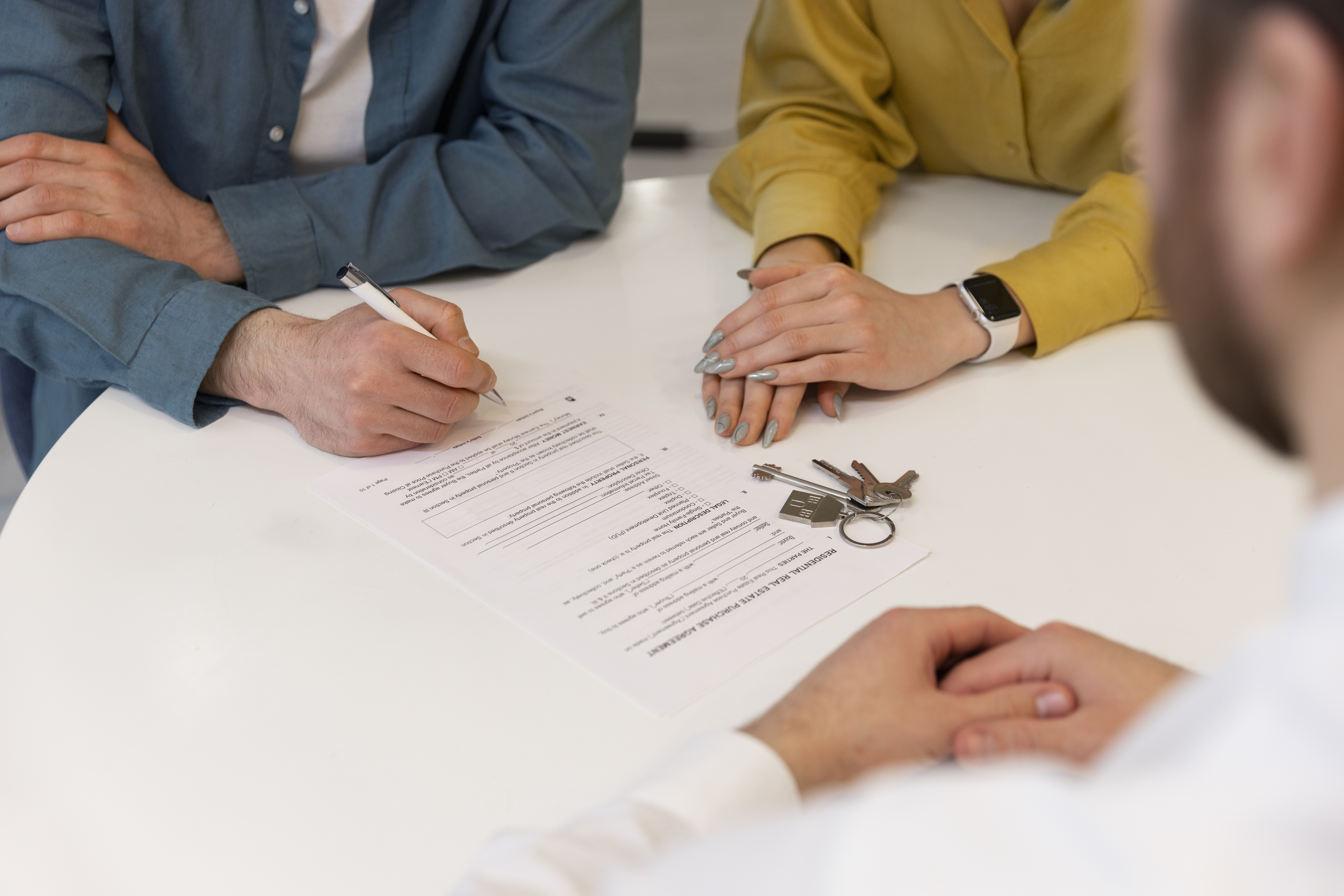
Independent adjusters work differently from public and staff adjusters. Public adjusters represent the policyholder. They help homeowners get fair claims from insurance companies. Staff adjusters are directly hired by insurance firms.
They handle claims for that company only. Independent adjusters, on the other hand, serve as neutral parties. Their goal is to assess claims without bias.
Want to learn more about how these roles affect your claims process?
Independent Adjusters vs. Public Adjusters
Sometimes, it is confusing to spot the difference between an independent adjuster and a public adjuster when dealing with homeowners insurance claims. This table will help us break down the main points.
| Category | Independent Adjuster | Public Adjuster |
|---|---|---|
| Who They Work For | Hired by insurance companies or claims adjusting firms. | Works only for policyholders, not insurers. |
| Role in Claims | Investigates and evaluates claims on behalf of the insurance company. | Represents homeowners during the claims process. |
| Compensation | Pays a fee by the insurer, often per claim. | Receives a percentage of the settlement paid to the homeowner. |
| Objectivity | Remains neutral and provides fair assessments based on policy terms. | Advocates for the homeowner to maximize the settlement amount. |
| Licensing | Must hold a license in the states they work. | Also requires a state license, with some states having stricter requirements. |
| Best Use Case | Useful for handling high-volume claims or catastrophe situations. | Ideal when claims are denied, delayed, or disputed. |
| Claim Examples | Hurricane damages, fire losses, or major storms using tools like Xactimate software. | Complex home damage or large claims where negotiation is key. |
We should also compare independent adjusters with staff adjusters before choosing the right help.
Independent Adjusters vs. Staff Adjusters
We often hear the terms “independent adjuster” and “staff adjuster” when managing home insurance claims. Here’s a simple summary showing how these two insurance professionals differ.
| Aspect | Independent Adjuster | Staff Adjuster |
|---|---|---|
| Who They Work For | They work for multiple insurance companies on a contract basis. | They are full-time employees of one insurance company. |
| Objectivity | They keep objectivity because they are not tied to one company. | They often have loyalty to the company that employs them. |
| Caseload & Expertise | They handle high-volume claims, especially after events like hurricanes or floods (e.g., Hurricane Ian, 2022). | They focus on regular daily claims for their company’s clients. |
| Licensing | They must hold licenses in each state where they operate. | They also need licenses, but only in states where their company does business. |
| Response Time | They can be called in for rapid response during disasters. | They work assigned claims based on company priorities. |
| Payment | They get paid per claim or by assignment. | They earn a set salary or wages as company employees. |
| Example Tool Used | Xactimate for claim estimating and DroneDeploy to assess damage, especially after major storms. | Same estimating software, but often only for that company’s policies. |
| When Used | They are called for large losses or in high-demand times. | They handle everyday claims for their employer’s clients. |
How to Find the Right Independent Adjuster Near You
When we look for the right independent adjuster, we should start by checking local options. It’s wise to read reviews from others who have used their services. We can also check their credentials and experience in handling claims like ours.
This way, we can find a skilled adjuster who understands our needs well. For more tips on this process, keep reading!
Researching Local Options
We want to find the best independent adjuster near us. This process can help us feel confident about our insurance claims. Here’s what we should do while researching local options:
- Search online for independent adjusters in our area. Using search engines can show us many choices quickly.
- Ask friends and family for recommendations. Personal experiences can lead us to trustworthy adjusters who helped others with their claims.
- Check review sites and ratings for adjusters near us. Reviews often share the experiences of other homeowners, giving us insight into an adjuster’s performance.
- Visit the websites of potential independent adjusters. These sites usually list services, areas of expertise, and contact information.
- Look for licenses and certifications when evaluating options. Licensed professionals meet specific training requirements set by the insurance industry.
- Compare fees among different independent adjusters. Knowing their costs helps us make a budget-friendly choice.
- Call or email a few independent adjusters to ask questions about their services and experiences with property damage claims.
- Trust our instincts during this process; if something feels off, we should keep searching until we find someone we are comfortable with.
Finding a suitable independent adjuster takes time but will pay off later during the claims process!
Evaluating Reviews and Credentials
Evaluating reviews and credentials helps us find a good independent adjuster. We want someone who knows their stuff and can help with our insurance claims.
- Look for online reviews from past clients. These reviews can show how the adjuster handled claims. They give us insight into their professionalism and effectiveness.
- Check if they have proper licenses. Each state has its own licensing requirements for insurance adjusters. We want to make sure they are legally qualified to work in our area.
- Consider their experience in handling property damage claims. An adjuster with years of experience probably understands the process better. This knowledge can be very helpful, especially after natural disasters or storms.
- Investigate any certifications they hold. Certifications show that an adjuster has completed additional training in specific areas of the insurance industry. This extra training may benefit us during the claims process.
- Look at their reputation within the community. A well-respected adjuster is more likely to provide fair assessments of claims. We want someone who is known for being objective and reliable.
- Ask for references from previous clients directly. Speaking with others who have worked with them can give us valuable information about what to expect. Their experiences might help guide our decision-making.
- Review their availability and communication style. Good communication is key during the insurance claims process. We should feel comfortable reaching out whenever we have questions or concerns.
Finding the right independent adjuster means doing some homework, but it pays off when we receive fair assessment and quick resolutions for our property damage claims.
Conclusion
We see the value an independent adjuster brings to the claims process. They guide us through tough situations like property damage or natural disasters. Their skills help get faster results and fair settlements.
By understanding their role, we can make better choices when dealing with insurance claims. Finding the right independent adjuster can ease our worries and lead to a smoother experience.
FAQs
1. What is an independent adjuster and how do they differ from a staff adjuster?
An independent adjuster is a claims professional who works as an independent contractor, not as an employee of any insurance company. A staff adjuster works directly for one insurance company.
2. How does the role of an independent adjuster compare to a public adjuster in the insurance industry?
Independent adjusters handle property damage and other insurance claims on behalf of the insurer. Public adjusters work for policyholders to help them get fair settlements from their insurance policies.
3. What are some benefits of hiring an independent claims adjuster near me?
Hiring local independent claims professionals can speed up your property damage or storm damage claim process after natural disasters, reduce uncertainty, and provide expert knowledge about different types of insurance coverage.
4. What licensing requirements or certifications must a person meet to become an independent loss assessor?
Most states require a high school diploma or GED, specific state licensing exams, continuing education courses, and sometimes additional training like IA Path programs for those seeking employment in this field.
5. In what situations do insurance companies use temporary workers such as freelance assessors instead of full-time employees?
Insurance companies often hire temporary contractors during times with many claims such as after natural disasters or storms when there are more property damage cases than usual.
6. How does the work done by these professionals affect my experience with the overall insurance claims process?
Independent contractors review your losses, inspect damages, communicate with you and your insurer’s agents; their reports help determine how much money you receive under your policy during the entire claim adjusting process.