

Key Signs Your House Was Struck by Lightning
Key signs that lightning struck your house include visible burns or scorch marks on the exterior. You might see cracks in walls or a damaged roof. Electrical surges can hurt your devices and appliances too.
If you notice these signs, it’s wise to learn more about what to do next.
Visible fire or scorch marks
Visible fire or scorch marks serve as important warning signs after a lightning strike. We often spot these marks near chimneys, roofs, or walls where the lightning bolt first hit our house.
The intense heat from a lightning strike can leave black streaks on surfaces and burn spots on siding or roof shingles.
Scorch marks may mean there are hidden fires inside a structure. Finding these burns helps us check for fire hazards that we cannot see easily. A strong surge in current from the strike also puts wiring at risk of smoldering behind walls.
If we see visible scorch marks, we need to take quick action for fire prevention and consider calling firefighters right away.
“A single lightning bolt can reach temperatures hotter than the surface of the sun.”
Structural damage from shockwaves
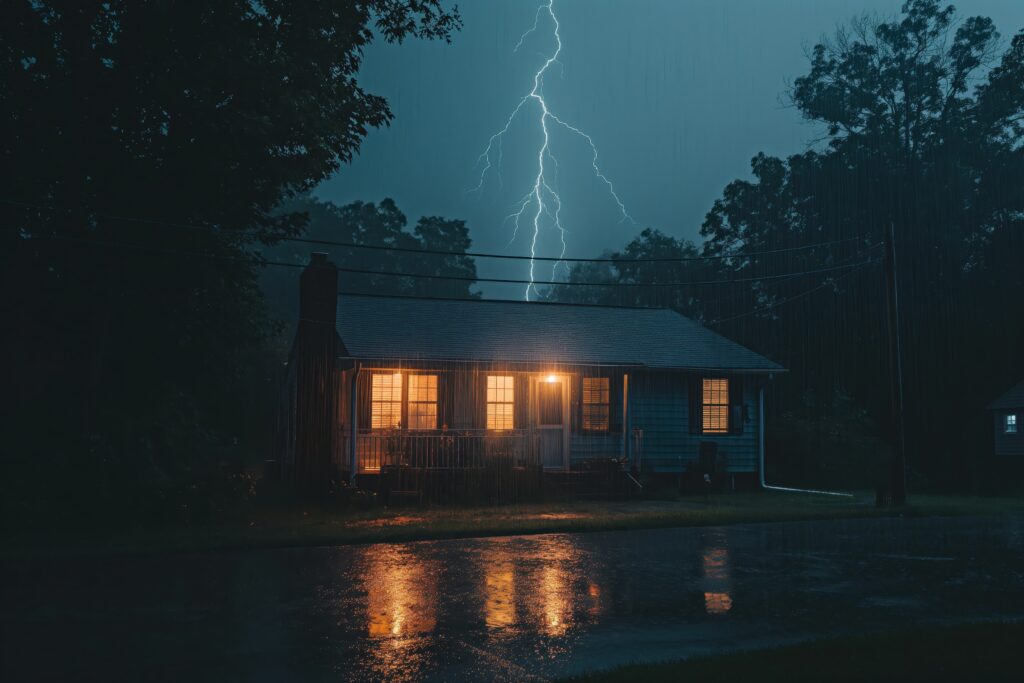
After seeing fire or scorch marks, we may find even bigger problems. Shockwaves from a lightning strike can smash bricks and crack concrete blocks in our house. The blast is strong enough to break roof tiles, shatter chimneys, and make walls split open.
The extreme heat from the lightning bolt can also weaken wood beams and other building parts.
We often notice cracks on the outside walls or damage along our foundation after a house struck by lightning during a lighting storm. If we have metal fixtures or plumbing lines inside the wall, these can twist or bend because of the pressure wave.
Using a good surge protector helps with electronics, but it cannot stop roof damage or keep our structure safe from shockwave damage. That is why some homes use lightning rods as part of their lightning protection system to help direct strikes away from vulnerable areas and reduce structural damage risks.
Electrical surges or damaged appliances
A lightning strike can send a massive electrical surge through our house. This surge may travel across the wiring and reach every room in seconds. Many appliances, like our TVs, computers, or even kitchen gadgets, can get fried during these power surges.
Even a nearby strike might burn out the sensitive parts inside electronics or damage fuses. Some signs include blinking lights, dead outlets, or scorched power strips.
We might not see all the problems right away. Sometimes hidden damage from lightning strikes leads to future risks like electrical fires. Surge protectors and whole-house surge suppressors help guard against this kind of trouble.
Experts suggest we unplug devices before any strong lightning storm hits. Regular inspection by electricians keeps our home’s safety in check after a house struck by lightning event causes surges or damaged appliances throughout our property.
Immediate Steps to Take After a Lightning Strike
After lightning hits, we need to check for fire and other dangers. Next, let’s unplug any damaged electronics to keep them safe.
Assess for fire or immediate danger
We first check for any signs of fire or smoke after a house is struck by lightning. The intense heat can set roofs, attics, or walls on fire right away. Hidden fires may burn inside walls and go unnoticed at first.
Shockwaves from the strike might crack concrete or plaster, causing sudden structural damage.
Electrical surges are another big risk after lightning hits our home. Faulty wires or damaged appliances can start electrical fires hours later if we do not act fast. We look for scorch marks near outlets and smell for burning odors as clues of danger.
If we see flames or feel unsafe, it is vital to call emergency services immediately.
A single lightning bolt carries up to 1 billion volts, enough power to cause instant roof damage and hidden fires that threaten homes long after the storm ends.
Using whole-house surge protectors reduces future risks but during a storm unplugging electronics keeps us safe from further electrical hazards caused by severe power surges.
Unplug damaged or at-risk electronics
Unplugging damaged or at-risk electronics is a must after a lightning strike. Lightning can create massive power surges. These surges may harm our appliances and devices. Electrical fires can ignite from damaged electronics, so we should take quick action.
We need to unplug any devices that could be in danger. This simple step helps reduce the risk of fires and further damage from shockwaves or electrical surges. Even if we have surge protectors installed, unplugging during storms is still important for safety.
Let’s stay safe by safeguarding our home and belongings during severe weather events like thunderstorms.
Contact emergency services if needed
After unplugging damaged or at-risk electronics, we must assess the situation for safety. Lightning strikes can cause hidden fires that may not be visible right away. If we smell smoke or see flames, calling emergency services is crucial.
They can help put out any fire and ensure our home is safe.
Emergency responders are trained to handle hazards after a lightning strike. They check for potential electrical issues caused by the surge. Promptly reporting any damage helps prevent further problems in our home structure.
Making this call is an important step in keeping ourselves and our property safe from lightning damage.
Common Areas of Damage in Your Home
Lightning can cause serious harm to our homes. It often damages electrical systems and wiring, leaving them unsafe. The roof, chimney, and walls can also suffer severe impacts from a strike.
Plumbing and metal fixtures are at risk too, making them vulnerable to problems after a storm.
Electrical systems and wiring
Electrical systems and wiring can suffer serious damage from a lightning strike. Such strikes can cause power surges. These surges may lead to electrical fires that we can’t see right away.
The shockwaves from the lightning hit our home hard, affecting the structural strength of walls and ceilings.
We might not notice issues until appliances stop working or outlets look damaged. Electrical systems often get overloaded during a surge, causing harm to breaker panels as well. Metal plumbing pipes also conduct electricity, making it vital to inspect all wiring after any storm that hits our area with lightning.
Roof, chimney, and walls
A lightning strike can harm our roof, chimney, and walls. The heat from the strike can ignite materials in these areas. This may create hidden fires that are hard to spot at first.
Shockwaves from the strike can crack brick or concrete in chimneys and walls. We must check for these issues after a storm.
Electrical surges caused by nearby strikes can also damage roofs and walls. Unseen issues might affect their strength and safety. Regular inspections of our roof, chimney, and walls are crucial to find any potential damage early on.
Installing lightning rods is a smart way to help protect against direct strikes as well.
Plumbing and metal fixtures
Structural damage can also happen to plumbing and metal fixtures after a lightning strike. Metal pipes conduct electricity well. This makes them at risk during such events, increasing the chance of damage or injury.
Shockwaves from a lightning strike can harm walls and chimneys, which may affect our plumbing system indirectly.
Wiring issues caused by lightning can lead to future electrical fires, putting both our plumbing and home in danger. Lightning can start fires in places we may not see right away, like near pipes and insulation materials.
We should consider installing whole-house surge protectors at the breaker panel to help guard against these risks and keep our plumbing safe from potential lightning damage.
Preventing Lightning Damage
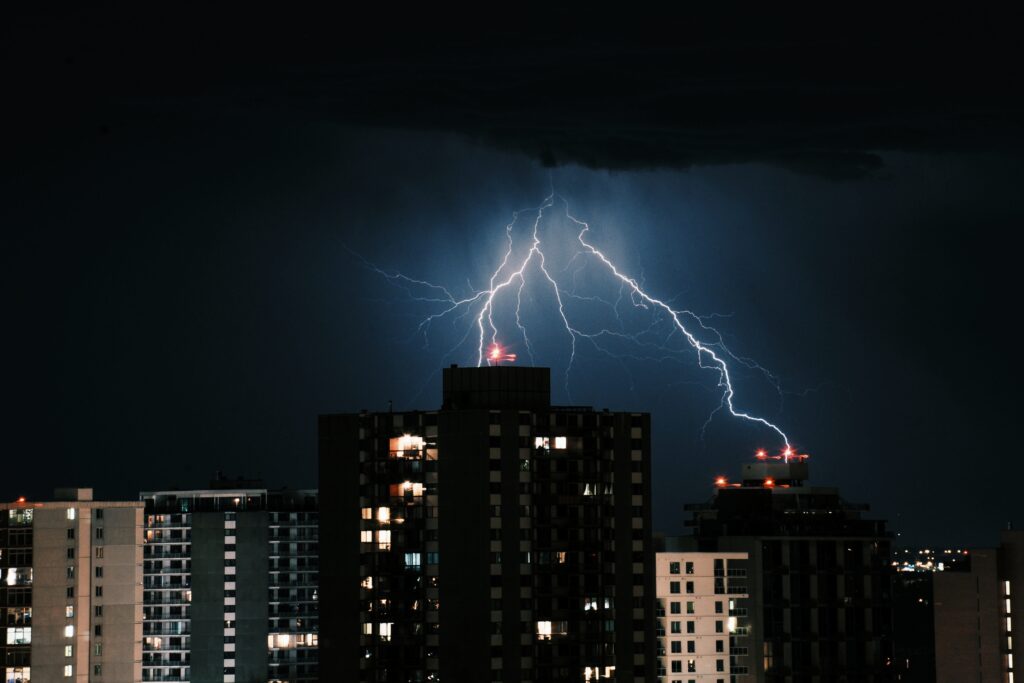
To keep lightning from damaging our homes, we should install whole-house surge protectors and consider adding lightning rods. Unplugging devices during storms can also help. Let’s explore more ways to protect our homes from lightning strikes!
Install whole-house surge protectors
Installing whole-house surge protectors is a smart move for us. These devices help reduce the damage from power surges caused by lightning strikes. They can protect our appliances and wiring from severe electrical issues.
This means fewer repairs and less money spent on replacements.
Surge protectors work best with other safety measures too. Unplugging electronics during storms adds extra protection. We can also boost their effectiveness by adding lightning rods for direct strike protection.
This combined approach makes our homes safer during thunderstorms.
Consider professional lightning rod installations
We should think about professional lightning rod installations. These rods protect our homes directly from lightning strikes. They redirect the electrical energy safely into the ground.
This reduces potential damage to our roof and other parts of the house.
A properly installed system can keep us and our belongings safe during storms. Regular maintenance is key too; it ensures that our lightning rods work effectively over time. Consulting experienced professionals helps us meet safety standards, giving us peace of mind against any lightning damage.
Unplug devices during storms
Consider professional lightning rod installations. Unplugging devices during storms is a smart step for safety. It helps prevent severe power surges that can damage our electronics.
Many times, a lightning strike causes hidden fires. Disconnecting devices protects us from these risks.
Unplugged devices are safer during a storm. This simple action reduces the chances of overloads and limits electrical fire hazards caused by surges. We also protect our outlets and breaker panels from harm.
Taking this precaution is essential to keep ourselves and our homes safe when storms roll in.
Understanding Insurance Coverage
Homeowners insurance often covers lightning damage. It is smart to document any harm right away and tell your insurer about it.
Damage typically covered by homeowners insurance
Lightning strikes can cause various types of damage to our homes. Our homeowners insurance often covers damage to the electrical system, including wiring and appliances. Structural damage from shockwaves may also be covered.
This includes harm to materials like brick and concrete.
Hidden fires can ignite after a lightning strike too. These fires might start in walls or attics. We should document all damage right away, as this helps with filing claims quickly.
Surge protectors may not be included in our policy; still, they help reduce risks during storms.
Document and report damage promptly
We need to document any damage caused by a lightning strike as soon as possible. Take clear photos of fire or scorch marks on our property. This includes any structural damage we can see, like issues with the roof, chimney, and walls.
Next, report the damage to our insurance company right away. Provide them with detailed information and those pictures. Doing this helps us get the coverage we deserve for repairs from lightning damage.
It is important to act fast so that everything is fresh in our minds and records are accurate.
When and Why to Call a Professional
After a lightning strike, it’s smart to call a professional. An electrician can check your home’s safety. They will look for issues in the wiring and help with repairs. This step keeps us safe from further problems down the road.
Importance of an electrician’s safety inspection
Electrical fires can start from lightning strikes. They may go unnoticed in walls or attics. An electrician’s safety inspection helps find these hidden dangers. Lightning can send millions of volts into our homes.
This overloads circuits and damages appliances, wiring, and breaker panels. We need a professional to assess these issues.
Shockwaves from a strike can also harm our home’s structure. Fractured materials could create safety hazards that we cannot see right away. By getting an inspection, we ensure everything is safe and sound after the storm passes.
Next, we’ll look at how to evaluate structural and electrical repairs needed in the aftermath of a lightning strike.
Evaluate structural and electrical repairs
After an electrician inspects our home, we need to evaluate structural and electrical repairs. Lightning strikes can cause significant damage. Shockwaves crack walls or chimneys; we might not see these issues at first glance.
We should check for any hidden fires too. Fires may start in walls or attics after a strike, so it is wise to call the fire department if we suspect trouble. Damaged electrical systems can lead to power surges, affecting our appliances and creating future fire hazards.
We must address these problems quickly to keep our home safe from lightning damage.
Conclusion
Lightning strikes can cause serious harm to our homes. We might face fire risks, damaged electrical systems, and hidden issues in walls or attics. It is crucial to act quickly after a strike.
Taking steps like calling professionals for inspections can save us from future troubles. Staying prepared serves as our best defense against lightning damage.
For more information on how to navigate insurance claims for lightning damage, check out our article on reservation rights letters and understanding your claim.
FAQs
1. What kind of damage can a lightning strike cause if it hits your house?
A lightning strike can lead to roof damage, structural damage, and electrical system problems. Lightning damage may also harm appliances and wiring.
2. How do surge protectors help when a house is struck by lightning?
Surge protectors guard electronics from power spikes caused by a lightning strike. They reduce the risk of fire or equipment failure in your home.
3. Can installing lightning rods prevent serious lightning damage?
Yes, using lightning rods helps direct the energy safely into the ground. This lowers the chance of severe structural damage to your house during storms.
4. Are there other effects linked with a house hit by lightning?
A strong bolt releases nitrogen oxides and may be tied to tornadoes forming nearby; bell-ringers once feared strikes for this reason due to their loud noise and shock waves that could travel through buildings like those seen in “Back to the Future.”