

Have you ever flushed your toilet and noticed a backup in the basement? Maybe there is a soggy patch in your yard, or bad smells coming from your drains. These are signs of sewer line problems.
Many homeowners worry when they hear that sewer line replacement can cost anywhere from $3,000 to over $30,000.
Sewer line repair and replacement need special skills, heavy equipment, and lots of labor. Even newer methods like trenchless technology use tools such as robotic cutters and sewer cameras.
This work also means fixing lawns or driveways after digging up old cast iron pipes or clay pipes.
In this guide, you will learn why replacing a sewer line costs so much money. You will see what factors affect price, how different methods work like pipe bursting or slip lining, and ways to save money on the whole process.
Keep reading if you want clear answers before calling a plumbing contractor for help with your drainage system!
Key Takeaways
- Sewer line replacement costs between $3,000 and $30,000 in the U.S. The price depends on labor, equipment, depth of pipes, and permits.
- Heavy excavation with machines like backhoes adds to costs. Repairing yards or driveways after digging also raises the final bill by thousands of dollars.
- Trenchless repair methods such as pipe bursting and slip lining can save money. These reduce yard damage but need expensive tools and skilled workers.
- The type of pipe (PVC, cast iron, clay) affects cost and life span. Deep or long sewer lines with tree roots or underground utilities make jobs more complex and costly.
- Homeowners can lower expenses by getting regular drain checks. Ask for several quotes from licensed plumbers before starting work to get better pricing options.
Key Reasons for High Sewer Line Replacement Costs
Replacing a sewer line can be very costly. Many factors contribute to this high price, like the need for skilled workers and heavy machinery.
Extensive Labor and Expertise Required
Sewer line replacement demands hard work and skilled labor. Licensed plumbing contractors must handle complex excavation. They dig deep to reach sewer pipes, often buried under yards, driveways, or crawl spaces.
This job needs people with years of experience in the sewerage system.
Workers use heavy construction equipment like excavators and specialized trenchless technology tools for pipe bursting or slip lining. Plumbing permits are needed and experts must follow strict safety rules set by local governments.
These steps raise the sewer line replacement cost but ensure safe repair, better customer service, and protect homes from water contamination risks.
Heavy Excavation and Specialized Equipment
Moving from the need for skilled plumbers, heavy excavation work adds even more to sewer line replacement cost. You cannot dig up deep sanitary sewer pipes by hand. Large machines like backhoes and excavators handle tough jobs where pipes sit many feet below ground level.
Hiring these machines costs thousands of dollars per project.
Specialized equipment is also required for trenchless technology methods such as pipe bursting or slip lining. Robotic cutters remove old cast iron pipes, while advanced CCTV cameras inspect hidden damage under your home or driveway.
“Trenchless repair needs expensive tools and well-trained crews,” says a local plumbing contractor in Chicago. The use of heavy equipment does not stop there; it damages landscaping and structures above the sewer system which adds extra restoration costs later on.
Every piece of gear means a higher final bill for homeowners dealing with major sewer line problems this year.
Restoration of Landscaping, Driveways, and Other Areas
After sewer line replacement, landscaping restoration adds a large cost. Heavy equipment often tears up lawns and gardens during excavation. Driveways or walkways may need to be broken apart to reach damaged cast iron pipes or clay pipes under the ground.
Crews must fix grass, flower beds, tree roots, pavement, and even sprinkler systems.
The price of bringing your yard back to normal can shock many homeowners. A plumbing contractor might have to repave driveways or replant shrubs after pipe bursting or slip lining work is done.
These hidden costs add thousands of dollars to sewer line replacement cost in many cases. Replacing just one driveway section can top $1,000; repairing lawns often costs hundreds more depending on the damage and material needed for full restoration.
Compliance with Permits and Safety Regulations
Restoring landscaping and driveways is just one part of sewer line replacement. Compliance with permits and safety regulations comes next. Local and state rules require homeowners to get various permits for the work.
This process adds extra costs due to administrative fees and professional help needed.
Getting a licensed plumbing contractor is crucial in this stage. They understand the local laws well. They can ensure that all safety measures are followed during excavation, preventing hazardous conditions.
Ignoring these regulations could lead to fines, raising your total expenses even more.
Length and Depth of Sewer Lines
The length and depth of sewer lines affect replacement costs greatly. Longer sewer lines need more materials and labor for installation. Deeper sewer lines require heavy excavation work and special machines.
Both factors increase the time taken for replacement.
Complications may arise from obstacles like tree roots or underground utilities. These can further drive up costs, especially when restoring landscaping or indoor structures after work is done.
Understanding these aspects helps homeowners grasp why sewer line replacements can be costly. Next, let’s look at trenchless methods for replacing sewer lines.
Obstacles Such as Tree Roots and Underground Utilities
Replacing a sewer line can be hard because of tree roots and underground utilities. Tree roots often grow into the pipes, blocking access and causing damage. This situation makes repairs more complex.
Excavating around these roots takes extra time and effort.
Underground utilities add another layer of difficulty. Electric lines, gas pipes, or water mains may lie near the sewer line. When workers encounter these obstacles, they must proceed carefully to avoid accidents.
Often, this requires special equipment and licensed professionals who know how to handle such situations safely.
Additional costs arise from complying with regulations about digging near utilities. These complications can raise the total cost of sewer line replacement significantly for homeowners.
Exploring Trenchless Sewer Replacement Methods
Trenchless sewer replacement methods can save time and money. Techniques like pipe bursting and slip lining reduce digging and damage to your yard.
Pipe Bursting
Pipe bursting is a method used to replace old sewer lines. It breaks apart the existing pipe while installing a new one. This process is less invasive than traditional digging methods.
There are fewer disruptions to your yard and landscaping.
Specialized equipment makes this technique possible. Heavy tools create space for the new pipe, often made of PVC or other durable materials. Homeowners appreciate that there’s usually no need to redo driveways or gardens after work is completed.
Pipe bursting offers an efficient option for sewer line replacement without much damage to your property.
Pipe Relining
Pipe relining fixes old sewer lines without digging them up. It uses a special liner to coat the inside of pipes. This method can save time and money for homeowners.
One big advantage is that it reduces damage to landscaping and driveways. Other methods require heavy excavation, which can be costly. Pipe relining often costs less than traditional replacement methods.
Using trenchless technology makes repairs faster and easier for plumbing contractors, giving you peace of mind with your sewer line repair needs.
Factors That Influence the Total Cost
Several things affect the total cost of sewer line replacement. The materials used, like PVC or cast iron pipes, can change the price. Access to your yard also matters. If there’s heavy equipment needed to reach the pipe, that adds to costs too.
Materials Used in Replacement
PVC pipe is a common material for sewer line replacement. It lasts long and resists corrosion. Cast iron pipes were once the standard choice but can rust over time. Clay pipes are also used; they are durable but may crack.
The right choice depends on the situation.
Pipe fittings connect different sections of piping. They help ensure smooth flow in the sewer system. When replacing, it’s important to select high-quality materials. This helps prevent future problems and costly repairs, keeping your home safe from sewer line issues.
Accessibility Challenges
Accessibility challenges can add to the cost of sewer line replacement. If a property has hard-to-reach areas, it requires more work. This often means extra labor and special tools.
Heavy equipment may be needed to access deep or narrow spaces.
Obstacles like tree roots and underground utilities complicate repairs too. They can delay work and raise costs as plumbers must take extra time to avoid damaging other lines. These factors make sewer line problems even more complex for homeowners.
Advanced Technology and Tools
Advanced technology plays a big role in sewer line replacement. Techniques like pipe bursting and slip lining use specialized tools to replace old pipes without heavy digging. Robotic cutters and CCTV cameras help professionals see inside the lines and find problems easily.
These tools can increase costs, but they also save time and reduce damage to your yard. Using trenchless technology limits the need for extensive excavation, making the process less disruptive.
Licensed plumbing contractors often rely on these advanced methods to ensure repairs are done correctly while following local regulations.
Tips to Reduce Sewer Line Replacement Costs
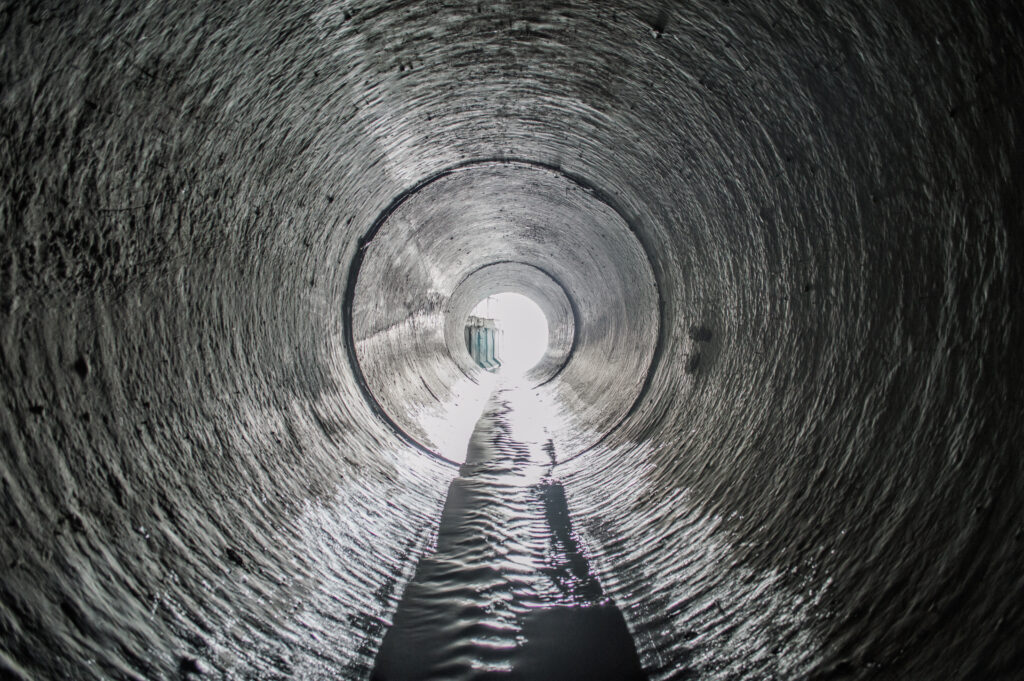
Regular checks can help you spot issues early. Consider trenchless methods like pipe lining or bursting for less digging. Always get several quotes from local plumbing teams to find the best deal.
Explore these tips and see how you can save money on your sewer line replacement!
Regular Maintenance to Prevent Major Issues
Regular maintenance keeps your sewer line in good shape. Check for clogs and slow drains often. Look out for strange smells or gurgling sounds. These signs can mean problems ahead.
Cleaning your sewer lines can prevent major issues down the road. Simple steps like flushing safe materials and using a plumber can save you money later on. Pipe relining may help too, as it fixes issues without digging up your yard.
Keeping an eye on tree roots is smart, especially if you have cast iron or clay pipes; their growth might damage your system over time.
Consider Trenchless Repair Methods
Trenchless repair methods are smart choices for fixing sewer lines. Pipe bursting and pipe relining are two common techniques. These methods let plumbers work without digging up your yard, which saves time and cuts costs.
Pipe bursting replaces old pipes with new ones by breaking apart the old line as it goes. This method is quick and effective. Pipe relining involves inserting a liner into the damaged pipe to create a new inner wall.
Both options help limit disruption to landscaping and driveways, keeping your home looking good while solving sewer line problems efficiently. Next, let’s look at factors that influence total replacement costs.
Get Multiple Quotes from Professionals
Getting multiple quotes helps you find the best deal for sewer line replacement. You can compare prices and services from different plumbing contractors. This way, you’re more likely to save money on costs.
Each quote gives insights into what methods and materials they plan to use. Some may suggest trenchless technology like pipe bursting or slip lining. Others might recommend traditional methods with cast iron or clay pipes.
By collecting several options, you can choose a contractor based on customer service and price that fits your budget best.
Conclusion
Sewer line replacement can cost a lot. Prices range from $3,000 to more than $30,000. Many factors affect this cost, like labor, permits, and the depth of pipes. Trenchless technology may help reduce some costs but still requires skilled professionals.
Taking care of your sewer lines with regular maintenance can save you money in the long run.
For further ways to protect your home and save on potential repair costs, learn if your water heater is covered by home insurance.
FAQs
1. Why does sewer line replacement cost so much?
Sewer line replacement is expensive because it often needs heavy equipment, skilled plumbing contractors, and special tools like trenchless technology or pipe bursting. Labor markets also affect prices.
2. What makes trenchless technology a popular choice for sewer line repair?
Trenchless methods such as slip lining and pipe bursting avoid digging up landscaping. This saves time on restoration but still requires advanced gear and training, which adds to the overall sewer line replacement cost.
3. How do old pipes increase costs in sewer line problems?
Older cast iron pipes or clay pipes are harder to fix or replace than newer PVC pipe systems. Removing these older materials can lead to higher labor charges and possible overtime.
4. Why do permits and routine maintenance matter for sewer work?
Plumbing permits ensure adherence to safety standards during any sewer line repair or replacement job. Routine maintenance helps spot issues early before they grow into bigger, more costly problems.
5. Can tree roots cause damage that leads to high expenses?
Yes, tree roots often break through older lines near homes with mature trees; this causes leaks and blockages needing urgent attention from plumbing contractors who must restore both the damaged sewer line and nearby landscaping after repairs are complete.