

When Does Home Insurance Cover Water Heater Damage?
Home insurance covers water heater damage if it happens suddenly and by accident. This includes dangers like fire, explosion, or strong wind. For more details, keep reading!
Coverage for sudden and accidental damage
Damage from a leaking water heater is often covered by homeowners insurance if it happens suddenly and without warning. For example, if your hot water heater bursts and floods your garage or laundry room, dwelling coverage can help pay to fix walls, floors, furniture, or other personal property.
Cleanup costs are usually included too.
Insurance companies do not pay for problems caused by normal wear and tear or lack of maintenance. Claims get denied if the water heater fails due to aging parts, rust inside the storage tank, or neglect.
Only sudden failures like fire, explosion, windstorm damage, or a burst pipe from your system count as covered perils under most insurance policy terms. Adding equipment breakdown coverage may also help with water heater repair or replacement expenses after an unexpected failure occurs.
Covered perils such as fire, explosion, or windstorm
Homeowners insurance often pays for water heater damage if a covered peril, like fire, explosion, or windstorm, causes it. For example, your policy may help with repairs or replacement if lightning strikes your home and damages the hot water heater.
If a windstorm destroys part of your roof and rain ruins the water heater inside, dwelling coverage can also step in.
Your insurance company reviews claims to make sure the damage came from sudden events such as a burst pipe during severe weather. Most policies do not cover normal wear and tear but will respond to accidents tied to these listed perils.
Always check your insurance policy terms or ask an independent insurance agent about what is included in your property insurance plan.
What is Not Covered by Home Insurance?
Home insurance will not cover damage from normal wear and tear, rust, or neglect. Any issues caused by poor maintenance are also on you. Understanding these limits can help prevent surprises later.
Read more to find out how to protect your water heater with the right coverage options!
Wear and tear, aging, or rust
Normal wear and tear, aging, or rust are not covered by homeowners insurance. Most insurance policies exclude repair or replacement costs for water heaters that break down because of old age or lack of maintenance.
For example, if your water heater leaks due to rust after 15 years of use, your insurer will likely deny the claim.
Neglecting regular maintenance can lead to denied claims for any related water damage as well. Insurance companies see these issues as preventable with routine care and inspections.
“Insurance covers sudden accidents, not problems from neglect,” is a common rule used by many insurers. Make sure to schedule yearly checks on valves and pressure relief systems to avoid gaps in coverage due to normal wear and tear.
Damage caused by neglect or lack of maintenance
Homeowners insurance does not pay for water heater damage that results from neglect or lack of maintenance. Insurers expect you to perform regular checks on things like the pressure relief valve, shutoff valve, and building codes related to your home appliances.
Skipping tasks like cleaning sediment buildup or inspecting for leaks may lead to claims denials if a breakdown happens.
Most insurance companies exclude wear and tear, rust, or old age when reviewing an insurance claim for water heater replacement. Damage caused by ignoring warning signs such as strange noises, low hot water output, or pooling around the tank is also not covered.
Regular professional inspections help prevent expensive problems that are not included in standard dwelling coverage or personal property coverage terms.
Optional Coverage for Water Heaters
You can get extra coverage for water heaters through options like equipment breakdown riders or home warranties. These plans help protect against costly repairs or replacement. Want to learn more about how this works? Keep reading!
Equipment breakdown riders
Equipment breakdown riders add extra protection to homeowners insurance. This coverage helps pay for repair or replacement of your water heater when it suddenly breaks down. Standard home insurance may not cover these issues.
Equipment breakdown options are helpful for unexpected problems that happen without warning.
Regular maintenance is key to making sure you can use this coverage. Homeowners need to take care of their water heaters and keep them in good shape. By doing so, they ensure the equipment breakdown rider works as it should, providing financial support during repairs or replacements needed due to mechanical failures.
Protection comes from staying proactive about regular maintenance.
Home warranty options
A home warranty can help protect your water heater. This option covers repair or replacement when issues arise. Regular maintenance is key, but problems may still occur. A warranty makes sure you are not stuck with high repair bills.
Look for plans that include specific coverage for water heaters. Some offer equipment breakdown riders that cover failures caused by mechanical breakdowns. Research different companies to find the best fit for you and your needs as a homeowner.
How to Prevent Water Heater Damage and Denied Claims
Regular maintenance can help keep your water heater running well. Look for signs like leaks or rust. Check the pressure relief valve and safety features often. Schedule professional inspections to catch problems early.
This can save you from denied claims later on. Explore more tips to protect your home!
Importance of regular maintenance
Regular maintenance keeps your water heater working well. It helps catch leaks before they cause big damage. If you ignore small issues, they can turn into costly problems. Insurance usually does not cover damage from normal wear and tear or rust.
Homeowners must keep their water heaters in good shape for insurance coverage.
Check your water heater often to spot any signs of failure early on. Getting professional inspections can also help find hidden issues. Proper care means a longer life for your unit and less chance of denied claims when something goes wrong.
Identifying signs of potential failure
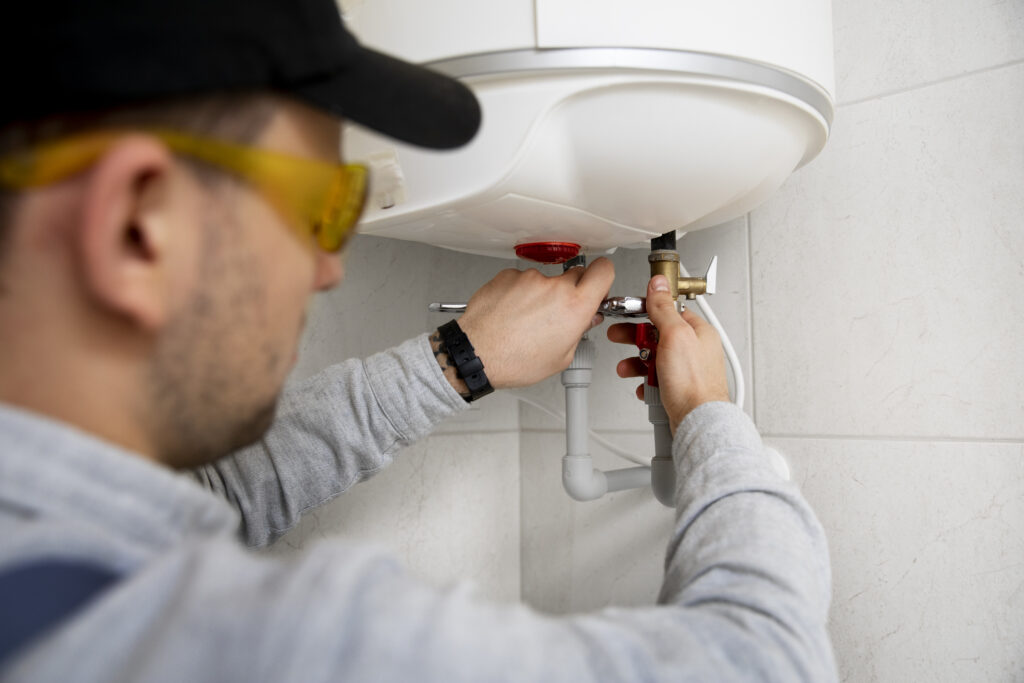
Signs of aging in your water heater include rust or corrosion. These can show that your unit may fail soon. Look for leaks or water pooling around the heater. This could mean it is not working properly.
If you find yourself resetting the thermostat often, this might indicate a problem too.
Unusual noises can also be a sign of trouble. Banging or popping sounds suggest sediment buildup inside the tank, which needs attention. Discolored or rusty water points to internal corrosion affecting function and quality.
Lastly, if your energy bills rise without explanation, it could mean that the water heater is inefficient and on its way to failure.
Frequently Asked Questions
People often worry about water heater issues and insurance. Is a leaking water heater covered? Does the policy cover damage from the heater? Find answers to these questions and more in our upcoming sections!
Is a leaking water heater covered by insurance?
A leaking water heater may be covered by homeowners insurance. Coverage usually applies if the leak comes from a sudden and accidental failure of the unit. If your water heater bursts or leaks due to a specific peril, like fire or windstorm damage, insurance will likely cover it.
Damage from normal wear and tear or lack of maintenance is not included in standard policies. Homeowners must keep their units well-maintained; otherwise, claims might be denied. Taking care of your hot water heater can help protect you from costly repairs down the road.
The next section explores what home insurance does not cover regarding water heaters.
Does insurance cover water damage caused by the heater?
Homeowners insurance usually covers water damage from a leaking water heater. This includes damage to floors, walls, and personal property. The insurance pays for sudden and accidental problems, like a burst pipe or tank failure.
Wear and tear won’t qualify for coverage. Damage from neglect or poor maintenance is also excluded. Regular check-ups can help you avoid denied claims later on. Proper upkeep ensures your water heater works well and keeps your home safe from water leaks.
Smoke Damage Isn’t Always Visible, But Is It Covered by Insurance?
Smoke damage often hides from view. It can linger in walls, ceilings, and even furniture. Homeowners might not see it until they smell the odor or notice stains. Because of this, insurance claims for smoke damage can be tricky.
Standard homeowners insurance usually covers smoke damage if it comes from a covered peril like fire. This means that if a fire occurs in your home and causes smoke damage, you may be able to file a claim.
Check your policy terms closely to ensure coverage applies to your situation. Being aware of these details helps when dealing with water damage coverage or other claims related to home appliances like water heaters.
Conclusion
Understanding water heater coverage in home insurance is key for homeowners. Most policies cover damage from sudden issues like leaks or bursts. However, problems from age or neglect are usually not covered.
Regular maintenance helps prevent failures and ensures your claims stay valid. Consider adding equipment breakdown coverage for extra peace of mind.
FAQs
1. Does homeowners insurance cover water heater damage?
Homeowners insurance may cover water heater damage if a covered peril, like a burst pipe or sudden mechanical breakdown, causes the problem. Damage from normal wear and tear or lack of maintenance is not covered.
2. What types of coverage protect my water heater?
Dwelling coverage may help with repairs if the hot water system damages your home’s structure. Personal property coverage can pay for loss to items affected by water damage from a broken unit.
3. Are manufacturer defects in my hot water system included in home insurance?
Most policies do not cover manufacturer defects or improper installation of heating systems. Equipment breakdown coverage might help with certain mechanical failures but check your policy terms.
4. Will my insurer pay for replacement cost or actual cash value after failure?
Insurance claims often use actual cash value, which factors in depreciation when replacing appliances such as tankless units or thermostats; some policies offer replacement cost instead.
5. Can I get discounts on premiums for preventive care and inspections?
Many insurers give discounts if you schedule professional inspections, maintain safety valves, and install leak detection devices on kitchen appliances and air conditioning systems.
6. Does condo insurance or renters insurance include protection for heating equipment?
Condo owners should review their policy since it may only insure personal property inside the unit rather than built-in plumbing systems; renters coverage might pay for damaged belongings caused by leaks but rarely covers appliance repair itself.