

A burst pipe can flood your home fast. Water damage spreads quickly and ruins floors, walls, and your personal items. Many people have dealt with this mess or know someone who has.
Filing an insurance claim for a burst pipe should help cover repair costs.
We all know how stressful it feels to find water leaks or hidden moisture after a busy day. Acting quickly is very important because waiting too long can lower what you get from the insurance company.
We looked into how homeowners’ insurance works when pipes burst.
In this blog post, we show some big mistakes people make with burst pipe claims. We share simple steps to document damaged items, check your policy details, speak clearly with loss adjusters, and ask for fair settlement offers for property damage from insurers.
Keep reading if you want your next insurance claim process to go smoother and help secure a better payout!
Key Takeaways
- Act fast after a burst pipe. Shut off the main water valve and report damage to your insurer right away. Waiting too long can lead to bigger repair costs and lower payouts from insurance.
- Document all damages with clear photos, videos, and a list of affected items. Keep everything until an adjuster inspects them. Throwing things out early or missing evidence can hurt your claim.
- Read your homeowner’s insurance policy closely for coverage limits and exclusions, like tear-out costs or gradual water damage. Missing these details may cause denied or reduced claims.
- Do not accept the first settlement offer without checking real repair costs from local contractors. Insurers sometimes start with low offers, so negotiate for what you truly need.
- Hire professionals if needed (plumbers, public adjusters). They help find hidden moisture and support your case when insurers undervalue repairs or dispute mold remediation needs.
Common Mistakes That Can Reduce Your Burst Pipe Damage Claim
Many homeowners make mistakes that lower their chances of a good payout for burst pipe damage. Acting too slowly can hurt your claim, and not documenting the damage well can leave gaps in your case.
Failing to Act Quickly
Failing to act quickly after a burst pipe can make water damage worse and lower our insurance payout. We must shut off the main water valve right away to stop more flooding in the home.
If we wait, hidden moisture spreads, causing mold growth and higher repair costs. Insurance companies may see this delay as neglect under homeowner’s insurance policy wording.
Policies often require us to report a burst pipe fast. Reporting the incident too late or skipping emergency repairs could violate policy terms and hurt our chance for a full settlement offer.
Adjusters might then say that extra damage caused by our delay in filing a home insurance claim., not the original burst pipe event. Swift action protects both our home and claim process with property insurance carriers.
Not Documenting the Damage Thoroughly
Not taking enough photos or videos of water damage makes it harder for us to prove our losses in a burst pipe insurance claim. Insurance adjusters often need lots of clear evidence before approving repair costs and replacement costs.
If we throw out damaged items before the inspection, our homeowners insurance payout can get reduced or even denied.
Missing hidden water damage under floors or behind walls may also lead to mold growth and higher future expenses, including mold remediation. We should document every affected area and make a detailed inventory of all damaged property.
Keeping receipts for emergency repairs helps show our out-of-pocket expenses during the claims process. A lack of strong documentation puts our settlement offer at risk and may lower the final insurance payment we receive from our home insurer.
Discarding Damaged Items Prematurely
Getting rid of damaged items before an insurance claim tips insurance adjuster checks them can hurt our burst pipe damage claim. We need proof for every loss, so tossing wet carpets or ruined furniture too soon will make it hard to show what was affected.
Insurance companies want to see the physical evidence and may deny coverage if we no longer have the items.
“Keeping all water-damaged belongings until after inspection protects our claim.”
Our homeowners insurance policy backs us only if we provide enough documentation about each item. Before letting any trash collector take away soggy drywall or broken appliances, we should create a full list, take clear photos and videos, and keep everything safe for review by the insurer’s representative or a public adjuster.
This step keeps our insurance payout and settlement offer from dropping because of weak evidence during the claims process.
Overlooking Policy Details and Exclusions
Policyholders often miss important details in their homeowners insurance policy. These details can lead to reduced payouts for burst pipe damage claims. We might not realize that certain exclusions exist, which could leave us without coverage for hidden water damage or gradual damage caused by leaks.
Ignoring these specifics can result in denied claims.
Quick action is essential after a burst pipe incident. Failing to report the problem promptly may violate our policy terms and risk approval of our claim. Understanding policy wording helps us identify what is covered and what is not.
This knowledge allows us to negotiate better when we receive a settlement offer from our insurer. Next, let’s look at how we can properly document burst pipe damage to support our claim best.
Accepting the Insurer’s First Offer Without Question
We should be careful about accepting the insurer’s first offer to cover water damage. These initial settlement offers are often low. They do not reflect our actual repair costs. It is wise to get quotes from independent contractors before we agree to anything.
This way, we can determine a fair amount for burst pipe damage under our homeowners insurance covers..
If we accept the first offer too quickly, we might miss out on a higher payout. Insurers may underestimate our claim and its impact on our home insurance policy exclusions. Taking time to assess everything helps us make improved choices concerning our water damage claims and home insurance claims process.
How to Properly Document Burst Pipe Damage
To show the full extent of burst pipe damage, we must keep a detailed list of all affected items. Good photos and videos can help prove our case too.
Create a Detailed Inventory of Damaged Items
We need to create a detailed inventory of damaged items after a burst pipe. This list is crucial for our water damage claim. We should document each item carefully before throwing anything away.
Each piece must be noted, along with its condition and estimated value.
Using photos and videos can strengthen our claims. Visual evidence helps show the extent of the damage, including hidden moisture behind walls or under flooring. Engaging professionals can also support our case by providing documentation and proof of repairs made to fix the plumbing system involved in the incident.
Use Photos and Videos for Visual Evidence
As we document our damaged items, taking photos and videos is key. Visual evidence helps us show the extent of water damage clearly. We should capture all affected areas and items from different angles.
Close-ups are important for details like cracks or mold growth.
It’s best to use timestamps on our photos and videos. This can help establish a timeline of when the burst pipe caused issues. Good visual documentation strengthens our insurance claim and supports accurate assessments by adjusters.
By doing this, we improve our chances of receiving a fair settlement offer from the insurer regarding our insurance claim for water damage.
Maintain Clear and Organized Paperwork
We keep clear and organized paperwork for our burst pipe damage claims. First, we document all damages with photographs and detailed descriptions. This evidence helps show the extent of the water damage.
We also maintain accurate records of all communications about the claim; dates, times, and reporting help track everything.
Keeping copies of invoices and receipts for repairs is essential. These documents prove what we spent on emergency repairs or mitigation efforts. We store relevant policy documents and claim forms in an easy-to-access folder.
It is essential to update this paperwork regularly to reflect any new developments during the claims process. Staying organized can make a significant difference when dealing with insurance claims.
The Importance of Communication During the Claims Process
Good communication is key during the claims process. We must be clear and honest when describing our situation to the insurer. Regular follow-ups can help keep our claim on track. If we feel stuck, we should know when it’s time to raise the issue with a supervisor.
Being Precise and Truthful in Descriptions
We must be clear and honest when we describe the damage. Precise details help our insurance adjuster understand what happened. We should explain how the burst pipe caused water damage to our home.
Each description matters in getting a fair insurance payout.
Using accurate language helps avoid confusion with our insurer. If we say something vague, it may lead to issues in the claims process. We need to state facts about damaged items, repair costs, and any emergency repairs made.
Being truthful strengthens our case for receiving proper coverage under homeowners insurance policies. Our claims will go smoother if we stick to the truth about what occurred during this difficult time.
Following Up Regularly With Your Insurer
Staying in touch with our insurer is key during the claims process. We need to update them on any new information about our home insurance claims. burst pipe damage claim. This includes sharing details on emergency repairs we’ve made or additional expenses we’ve incurred.
We can call or email our insurance agent regularly. Keeping this line of communication open helps us stay informed about the status of our insurance coverage. It also shows that we are serious about getting a fair settlement offer for our property damage. fair insurance payout for the water damage we faced, we should contact your insurance for assistance.
Regular follow-ups help us feel more in control and less stressed during this complicated time.
Knowing When to Escalate Your Claim
We should escalate our claim if we feel stuck. If our insurer does not respond, or their offer is too low, it’s time to take action. We must be clear about the damage from the burst pipe and share all evidence, like photos and receipts for repairs, as tips for filing our claim.
This helps support our case.
If communication breaks down with the insurer, staying firm is key. A public adjuster can help when we face disagreements over repair costs or terms of coverage in our homeowner’s insurance policy.
They know how to handle disputes effectively. Next, let’s look at avoiding common pitfalls in burst pipe claims.
Avoiding Common Pitfalls in Burst Pipe Claims
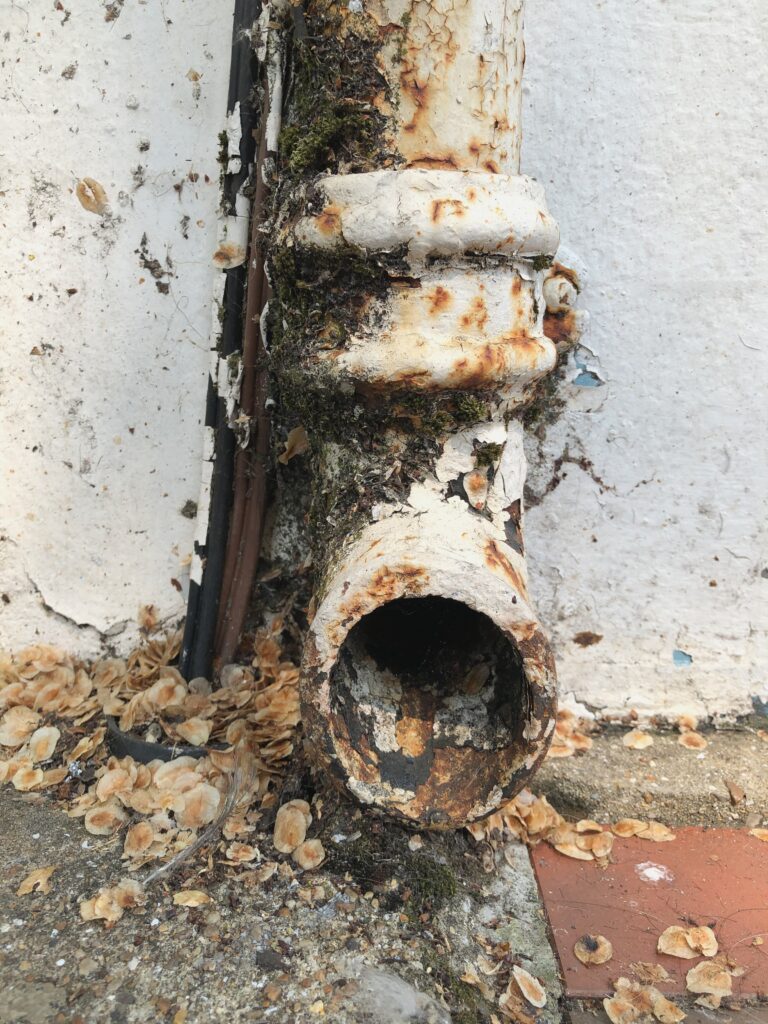
We can miss key steps in our burst pipe claims. It might cost us money and time. We need to hire experts if we face big damages. Understanding tear-out coverage can save us later, too.
Filing a claim without visible damage can be tricky and may not work out well for us. Knowing these pitfalls helps protect our interests as we seek fair settlements. Want to know more about how to avoid mistakes?
Not Hiring Professional Help When Needed
Not hiring professionals can lead to bigger problems. Plumbers help fix issues and can advise on how to prevent further damage. burst pipe damage fast. They know how to stop more water from causing harm. Without their help, we risk missing hidden moisture that can cause mold growth later, which could lead to significant property damage and affect our insurance coverage.
We should call for expert help right away. Delaying repairs makes the damage worse and may lower our insurance payout. Public adjusters also guide us through the claims process, helping us get a fair amount for our loss.
Their understanding of policy details is vital when dealing with complex claims related to water damage.
Underestimating the Value of Tear-Out Coverage
Tear-out coverage is often overlooked by many homeowners. This insurance can help pay for damage to your home. significant repairs after water damage from a burst pipe. It covers the cost of removing damaged materials, like drywall and flooring, to fix hidden moisture properly.
Ignoring this type of coverage can lead to costly mistakes. If we do not use tear-out coverage, we risk mold growth or further damage. Properly utilizing it ensures that our home stays safe and dry in the long run.
We need to be aware of how valuable this part of our policy really is. Understanding this helps us avoid pitfalls later on in the claims process related to repair costs and insurance payouts, especially when we assess the damage promptly.
Filing a Claim Without Visible Damage
Filing a claim without visible damage can be tricky. Issues like hidden moisture or water in insulation may not show obvious signs right away. These problems can lead to mold growth over time if we don’t address them quickly.
Insurers may undervalue our claims since there is no clear physical damage to support our insurance claim for water damage..
We must act fast and report the incident as soon as possible. Delaying this could violate policy terms and hurt our chances for coverage, even if damage isn’t visible now. Understanding what our insurance covers is crucial too; knowledge of exclusions prevents surprises down the line.
Involving an insurance adjuster can aid with negotiation, especially in complex situations like these. Following this, we will explore how to properly document burst pipe damage for our claims process.
Navigating Low-Ball Offers and Disputes
Low-ball offers can be rough on homeowners. Insurers may undervalue your claim, leaving you frustrated and confused. We must stay strong and challenge those low offers when we know the true cost of repairs.
Disputing unfair estimates can lead us to a fair settlement. If disputes continue, consider hiring a public adjuster for support. They understand the insurance claim process well and can help us get what we deserve from our homeowners insurance covers.
Why Insurers Undervalue Claims
Insurers often undervalue claims due to various reasons. They might think the damage isn’t as serious as we believe it is. Sometimes, they focus on their own terms in the policy instead of our needs.
If we delay reporting a claim, this can hurt our case and weaken negotiations for filing a home insurance claim.
They may also use low estimates based on faulty assessments or disregard hidden issues like mold growth. Accepting an initial offer without independent quotes can leave us shortchanged in our insurance settlement.
Understanding these factors helps us navigate disputes and improve payout chances while dealing with burst pipe insurance claims.
How to Dispute an Unfair Estimate
Disputing an unfair estimate can feel overwhelming. We need to be firm and informed in our approach.
- Gather all documents related to your claim. This includes your insurance policy, past correspondence, and the estimate itself. Having this information close at hand is crucial.
- Review the estimate line by line. Look for any errors or missing items that should be included in our filing a home insurance claim. This helps us pinpoint where we disagree.
- Compare the estimate with repair costs from local contractors. Get a few quotes to see if they are higher than what the insurer offered us.
- Document everything clearly. Keep notes of our discussions with the insurer and save all emails or letters relating to our claim.
- Prepare a written dispute letter. In this letter, we should outline our disagreement with specific reasons based on evidence we have collected.
- Follow up after sending the letter. Make sure to call our adjuster regularly to check on the status of our dispute.
- Stay calm and focused during conversations about the claim. Being clear and respectful can help keep communication open and productive.
- If needed, consider hiring a public adjuster for additional help with negotiating our claim and getting a fair insurance settlement.
Being organized can make a big difference in how well we handle disputes over unfair estimates for burst pipe damage claims.
When to Consider Hiring a Public Adjuster
We can consider hiring a public adjuster when our claim faces reduced payouts or denials. A public adjuster helps us avoid mistakes like poor documentation and not reporting damage on time can complicate the insurance claim tips we receive.
They give an independent assessment to counter low-ball settlement offers from insurers.
Public adjusters ensure we show that leaks were sudden, not gradual, which is key in burst pipe claims. Engaging their help can maximize our payouts during negotiations and protect us from admitting fault that could harm our claim.
Preventative Measures to Avoid Future Issues
To keep our homes safe, we must do regular checks. We can install water leak alarms to catch issues early and avoid costly repairs later.
Regular Maintenance and Inspections
Regular maintenance helps us catch small issues before they grow into big problems. We can inspect our plumbing, appliances, and roofs regularly. Checking for leaks in water heaters or dishwashers is key to preventing burst pipes.
We should also clean gutters and downspouts to keep them free of debris. This keeps water flowing away from the house. Regular inspections reduce the risk of water damage later on.
Taking these simple steps makes a big difference in our home’s safety and insurance payout if we ever need to file a claim.
Installing Leak Detection Systems
We can protect our homes by installing leak detection systems. These devices catch leaks early. They can help us avoid costly water damage and mold growth. Many systems alert us if they sense a problem.
Choosing the right system is key for homeowners. Some systems detect moisture, while others monitor water flow in pipes. We should pick one that fits our needs and home design. Regular maintenance of these devices ensures they work properly over time, reducing the risk of frozen pipe issues.
This simple step helps keep our homes safe from hidden water damage and the need for expensive repairs later on.
When to Hire a Public Adjuster for Mold Damage Insurance Claims
Mold growth can happen quickly after water damage. We need to act fast if we find mold in our homes. If the damage is severe, it may be wise to hire a public adjuster. They know how insurance claims work and can help us get a fair settlement offers to cover water damage. fair payout for mold remediation.
Public adjusters also understand policy wording well. They can spot exclusions that could affect our claim. Their expertise means we have support during the process of filing a home insurance claim. claims process. This can make a big difference in the final offer from our insurer.
Conclusion
Burst pipe damage can be costly. We need to avoid further damage to protect your home. common mistakes that may lower our payout. Acting fast and contacting your insurance can mitigate further issues. documenting everything helps our claims a lot. Communicating clearly with our insurer is key too.
By staying organized, we can protect ourselves and get what we deserve from the insurance claim process.
For more detailed guidance on dealing with mold damage following a burst pipe, consider reading our article on when to hire a public adjuster for mold damage insurance claims.
FAQs
1. What common mistakes can lower my burst pipe insurance payout?
Failing to do emergency repairs, not keeping receipts for expenses, or ignoring hidden moisture may reduce your insurance settlement. Missing home maintenance and delayed reporting of the water damage claim can also hurt your payout.
2. How does policy wording affect a burst pipe insurance claim?
Policy exclusions in homeowners insurance or flood insurance may limit coverage for gradual damage or mold growth. Always review policy analysis before filing an insurance claim so you understand what is covered.
3. Why should I document all damaged items and repair costs after a burst pipe?
Clear records help during the claims process with the insurance adjuster or public adjuster. Listing damaged household appliances like a washing machine, refrigerator, or HVAC system supports higher repair costs in your settlement offer.
4. Can temporary repairs impact my water damage claim?
Yes; making emergency repairs helps prevent mold remediation needs and further hidden water damage from cold snaps or corroded pipes, ensuring our water supply remains intact. It also shows proper upkeep to both the insurer and liability insurance provider.
5. What role do additional living expenses (ALE) play after a burst pipe?
If you must leave home due to water damage, ALE covers hotel stays and meals as part of your homeowners’ insurance settlement offer if included in your premiums.
6. Why is it important to address air quality issues when handling burst pipe claims?
Burst pipes may release fine particulate matter into indoor air quality systems like HEPA filters or vacuum cleaners; this increases risk from wildfires particles, asbestos removal needs, heavy metals exposure, dusting demands, and even firefighters’ safety concerns during renovation work involving asbestos abatement with N95 masks and air filters on site.