

What Is Smoke Damage?
Smoke damage happens after a fire, even if the flames did not reach every part of your home. It includes soot on walls and ceilings, chemical contamination, and strong odors stuck in carpets or fabrics.
Smoke particles can enter air ducts and hide inside HVAC systems. These tiny bits also corrode metal surfaces and ruin electronics over time.
Not all smoke damage is easy to spot. Sometimes, it hides behind walls or inside airways but still causes harm like discoloration or persistent smells. Even hidden smoke contamination matters for insurance claims; insurers expect clear documentation from policyholders trying to recover property loss under homeowners insurance policies.
Proper cleaning may require professional help for odor removal and structural repairs.
Types of Smoke Damage
Smoke damage can come from different sources. Each type leaves a unique mark on your property. Wet smoke damage results from low-heat fires, creating sticky residue and strong odors.
Dry smoke damage comes from high-heat fires, leaving dry particles that easily spread. Protein smoke damage is often caused by burning food and can make surfaces feel greasy. Fuel oil soot occurs when heating systems malfunction, leading to dark stains on walls and ceilings.
Understanding these types helps you address the problem better.
Wet Smoke Damage
Wet smoke damage happens after fires that burn slowly and with low heat. It often comes from burned plastics, rubber, or synthetic materials in your home. This type of fire damage leaves behind sticky residue and thick odors that soak into walls, floors, and ductwork.
The residue can smear during cleaning if you do not use professional methods.
Wet smoke particles spread widely through HVAC systems and can be hard to remove without special tools. Cleaning and restoration for this smoke contamination need strong odor removal steps as well as skilled workers to handle the property loss safely.
Next are details about dry smoke damage and how it affects your insurance coverage plans.
Dry Smoke Damage
Dry smoke damage often comes from fast-burning fires like electrical fires or explosions. These fires create light, powdery soot that can spread far across your home. The fine smoke particles seep into cracks, HVAC systems, and fabrics, leaving behind a faint black residue and stubborn odors.
This kind of property damage is hard to clean without professional cleaning tools. Dry smoke may look less messy than wet smoke damage but can still cause deep structural deterioration over time.
Insurance companies sometimes send insurance adjusters or certified industrial hygienists to assess the full extent of this hidden fire damage.
Fine soot from dry smoke settles everywhere, making thorough odor removal and cleaning essential for proper restoration.
If you suspect dry smoke contamination after an incident, document everything with clear photos before any temporary repairs or restoration efforts begin. Your homeowners insurance policy might help cover cleanup costs if the claim includes proof of both visible and invisible damages caused by dry smoke events.
Protein Smoke Damage
Protein smoke damage comes from fires that burn food, such as meats or beans. These fires leave behind a nearly invisible but sticky film on walls, ceilings, and furniture. The residue does not look like normal soot or ash.
Instead, it clings to surfaces and causes strong odors that are hard to remove.
This kind of smoke contamination often affects kitchens most after an electrical fire or stove accident. Even though you may not see much residue or discoloration, the smell can move through HVAC systems and settle in other areas of your home.
Removing protein smoke usually requires professional cleaning services for full odor removal and restoration. Next is fuel oil soot cleanup, which has its own unique challenges for homeowners dealing with property loss after a fire incident.
Fuel Oil Soot
Fuel oil soot comes from burning heating oil in furnaces. This soot can create black stains on walls and ceilings. It often leaves a strong smell too. Homeowners should act quickly to clean it up, as it can cause long-term issues.
The soot damages surfaces and affects indoor air quality. It may also trigger health problems like asthma for some people. Proper cleaning is vital to remove fuel oil soot completely.
Hiring a professional cleaning service helps ensure the removal of all smoke particles effectively, restoring your home’s safety and comfort. Smoke damage insurance claims may cover the costs of cleanup, so check with your insurance company for guidance on your policy coverage.
Is Smoke Damage Covered by Insurance?
Smoke damage may be covered by insurance, but it depends on your policy. Homeowners’ insurance often includes some smoke damage from fires. Auto insurance can cover smoke from a fire that affects your car.
It all comes down to the details in your plan. Want to learn more about what you might be covered for? Keep reading!
Coverage in Homeowners Insurance
Homeowners insurance typically covers hidden smoke damage. This includes damage from odor, soot, and chemical contamination. Standard policies (HO-3) protect against smoke damage from accidental fires or fires nearby.
Discoloration of walls and ceilings is included in this coverage. Persistent odors in fabrics are also covered by your homeowners’ insurance.
Smoke can harm metal surfaces and electronics too. Strong documentation is key when filing a claim for invisible smoke damage. It may be wise to get independent testing done to support your case.
A public adjuster can help with these claims if disputes arise with the insurance company. Proper understanding of your policy will ensure you’re protected during such incidents.
Coverage in Auto Insurance
Auto insurance can cover smoke damage under specific conditions. If your car gets damaged due to a fire, homeowners’ insurance may help. Smoke particles can infiltrate vehicle interiors and cause problems like odor removal or structural damage.
Insurance policies differ by provider, so check your terms carefully. Many plans include coverage for fire-related incidents, but some may have exclusions for smoke contamination from other sources, like wildfires or neighbor’s fires.
Speak with an insurance agent to understand what is covered in your auto policy.
Understanding Insurance Coverage for Natural Disaster-Related Smoke Damage
Homeowners insurance often covers smoke damage from natural disasters. This includes odor, soot, and chemical contamination that can harm your home’s HVAC systems, insulation, and walls.
Standard homeowners policies cover smoke from both accidental fires and nearby wildfires. They protect against issues like discoloration of walls and ceilings as well as stubborn odors in fabrics or carpets.
Smoke particles can be hidden but still cause real damage. Even if you do not see visible signs of harm, these particles can corrode metal surfaces and ruin electronics. Strong documentation is key to filing a claim for invisible smoke damage.
Having independent experts perform air quality tests or inspect ductwork helps gather proof needed for claims on natural disaster-related smoke damage.
Common Challenges in Smoke Damage Insurance Claims
Filing smoke damage insurance claims can be tricky. Many homeowners face disputes over how much damage happened and its true cost.
Disputes Over Extent of Damage
Disputes often arise over how much damage smoke has caused. Insurance companies may not agree with what homeowners claim. They might believe the damage is less than what was reported.
This can lead to delays in processing claims or even denial of coverage.
Homeowners should document all visible and hidden smoke damage carefully. Professional assessments help provide evidence for your case. Getting an expert’s opinion adds weight to your claim, especially if it’s a complex issue like wet smoke damage or protein smoke contamination.
Working with public adjusters can also help settle disputes while ensuring you get fair treatment from your insurance company.
Existing Damage Claims
Existing damage claims can complicate smoke damage insurance cases. Insurance companies may argue that prior issues caused the current problems. If your home has old stains or smells, they might say these aren’t from the recent fire.
This debate can lead to disputes over what is truly damaged.
Smoke particles hide in walls and ceilings, affecting your home’s safety and air quality. They corrode metal surfaces and harm electronics too; this can go unnoticed for a long time.
Homeowners should gather evidence for their claims, like photos and expert assessments, to prove the extent of smoke contamination. These documents help clarify how smoke damage differs from existing conditions and support a fair claim process moving forward.
Depreciation and Valuation Issues
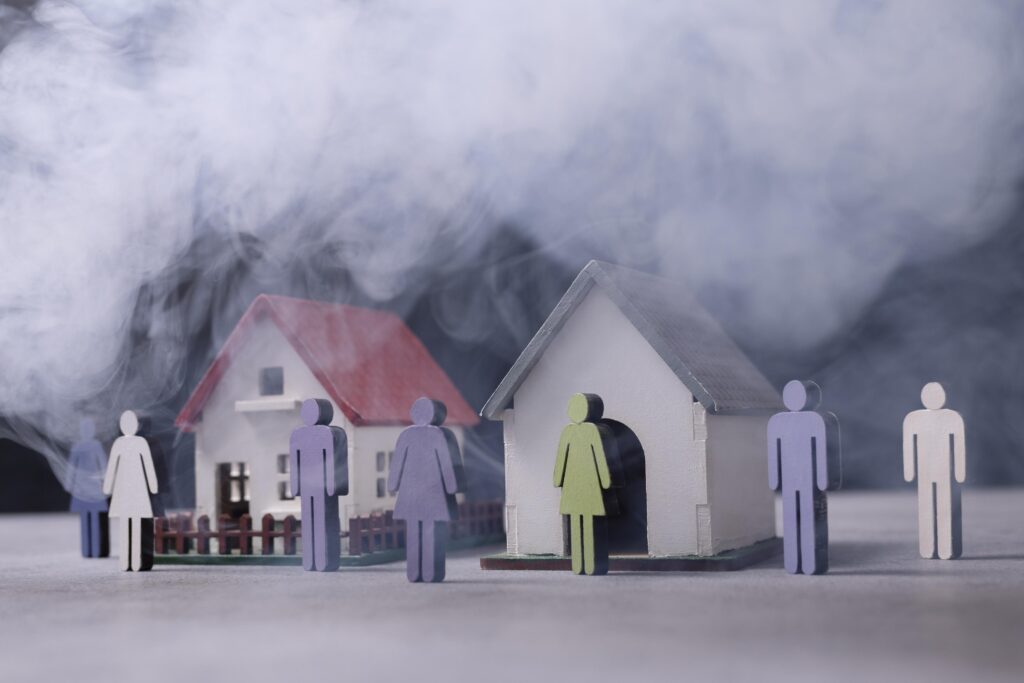
Depreciation can affect your smoke damage insurance claim. Insurance companies often use the actual cash value method to determine payouts. This means they subtract depreciation from the replacement cost of damaged items.
As a homeowner, you may end up with less money than you expected.
Valuation issues arise when determining how much damage occurred. Insurers might dispute the extent of the smoke contamination or structural damage. If your policy has exclusions, these can complicate claims too.
Public adjusters can help navigate these problems and ensure fair treatment during the claim process.
Tips for Filing a Successful Smoke Damage Claim
To file a successful smoke damage claim, document all the damage well. Take clear photos and notes to support your case. Getting expert assessments can help show the extent of the problem too.
Know your insurance policy terms so you understand what is covered and what isn’t.
Document Damage Thoroughly
Document all aspects of smoke damage. This includes odors and discoloration on surfaces. Take clear photographs of affected areas and items. These images serve as visual proof for your claim.
Keep detailed records of any assessments from experts. Their evaluations can strengthen your case.
Compile receipts and invoices for repairs or cleaning related to smoke contamination. Note the timeline of events, including when the damage happened and any actions taken to fix it.
Organize all this information well to make it easy to share with the insurance company. A thorough record will help you in the insurance claims process and can lead to a better settlement for property loss due to smoke damage.
Get Professional Assessments
Hiring independent experts is smart for smoke damage claims. They can test the air quality and inspect your home. Their reports help prove your case. These assessments show invisible damage that you might miss.
Professional cleaning teams know how to handle smoke contamination safely. They can also assess structural damage from wet or dry smoke. Strong evidence like this makes it harder for the insurance company to deny your claim.
Collecting these documents early on will support your request for compensation later on.
Understand Your Policy Terms
Your homeowners insurance policy needs to be clear. Check for terms related to smoke damage. Many policies cover “direct physical loss.” This includes hidden smoke damage from fire or wildfires.
Odor, soot, and chemical issues in HVAC systems also fall under this coverage.
Look for details on exclusions. Some policies may limit what they cover regarding smoke contamination and cleaning costs. Smoke particles can corrode metal and affect electronics without showing visible signs of damage.
Strong documentation helps support your claim if you face invisible smoke damage; consider getting professional assessments to back up your report.
Conclusion
Smoke damage is often concealed, but it can still harm your home. Most homeowners insurance covers this type of damage. This includes issues from soot, odors, and smoke particles even if you can’t see them.
Be sure to document everything thoroughly. Hiring experts for tests can help support your claim too. Always check your policy details to understand what is covered after smoke damage occurs.
FAQs
1. Does homeowners insurance cover all types of smoke damage?
Homeowners insurance often covers fire damage and some forms of smoke contamination such as wet smoke, dry smoke, and protein residue. However, policy exclusions may apply if the source is a neighbor’s fire or wildfire smoke.
2. Can I file an insurance claim for hidden smoke particles in my home?
Yes, you can file property insurance claims for invisible smoke particles that cause structural deterioration or odor removal needs. Air quality testing helps prove these damages to your insurer.
3. What steps should I take after discovering property loss from smoke exposure?
Contact your insurance company right away to start the claim settlement process. Temporary repairs and professional cleaning may be needed before appraisals by an insurance adjuster or public adjusters.
4. Are there common reasons for denial of a smoke damage claim?
Insurance companies may deny claims due to incomplete combustion evidence, lack of documentation on HVAC systems affected by short circuits, or because of specific policy exclusions related to electrical fires.
5. How do deductibles and replacement cost value affect my settlement?
Your deductible reduces what you receive from any claim payout; replacement cost value means coverage pays for new items instead of depreciated ones when restoring structural damage or handling water damage from firefighting efforts.
6. Should I seek help if facing disputes over my insurance coverage?
Yes, consulting with public adjusters or seeking a free consultation with legal professionals can help resolve disputes about dwelling coverage under California law or New Jersey regulations regarding contingency fees and attorney fees during legal battles against bad faith actions by the insurance sector.