

Dealing with an insurance claim after property damage can feel stressful and confusing. Many people have sat at their kitchen tables, unsure where to start or who to call next. It is common for homeowners to feel lost when trying to get fair settlements from their insurance company.
That’s why we took the time to learn what public adjusters do and how they help in the claims process. With a licensed professional on your side, your next property damage claim can be simpler and less overwhelming.
Key Takeaways
- Public adjusters help homeowners and businesses handle complex insurance claims after property damage. They Assess damages thoroughly, as an adjuster must ensure that everything is accounted for in the claim., review policies, file claims, and negotiate with insurance companies to ensure fair settlements.
- After disasters like hurricanes or floods in places such as New Orleans or Jefferson Parish, it’s crucial to hire one to navigate the claims process. public adjusters use detailed inspections and cost estimate software to match repair costs with local market rates. This leads to stronger claims for events like the 2021 extreme weather events across the United States.
- They carefully review each client’s insurance policy for coverage limits, deductibles, and special terms such as replacement value. Their work helps find hidden damages that insurers may overlook during their own assessments.
- Hiring a public adjuster saves time and lowers stress because they manage paperwork, talk with insurance company adjusters on your behalf, and fight for higher compensation—even turning denied claims into full settlements if possible.
- It is smart to hire a public adjuster after major losses or when facing complicated damages (like water inside walls). Their knowledge ensures you get fair pay based on actual repair needs—not just what insurers first offer.
Key Responsibilities of a Public Adjuster
A public adjuster plays a vital role in handling insurance claims. They assess property damage and review insurance policies to ensure clients receive fair compensation.
Assessing Property Damage
We start damage assessment as soon as it is safe. We inspect all areas of the property, even places that may have hidden damages from water, fire, or wind. Using photos and detailed notes, we make a full list of what needs repair or replacement.
This includes both building parts and personal items like furniture.
We also use cost estimate software to compare market rates for repairs in Jefferson Parish or New Orleans. This helps us set fair repair costs for our insurance claim reports. “Thorough inspections lead to stronger claims,” guides our approach every time.
With this information, we help you get the right amount from your insurance coverage after events like hurricane damage or flood loss.
Reviewing Insurance Policies
We review each insurance policy in detail to understand what is covered and what is excluded. This means looking at the fine print, checking coverage limits, deductibles, and other key terms.
Our process helps us spot any gaps that could affect a claim for water damage, fire damage, or flood damage. We pay close attention to special coverages like those recommended by the association of public insurance adjusters. replacement value and repair costs because these can impact the final insurance settlement.
We also look for hidden damages that insurers might overlook during their own assessment. Working with homeowners insurance policies often involves comparing actual losses against policy limits so clients receive fair compensation.
If the claim involves storm or hurricane damage, we check for applicable endorsements required by many home insurance companies after 2021’s increase in extreme weather events across the United States.
We help ensure every important detail matches up before preparing an accurate claim submission to maximize potential payout from insurers or claims adjusters, including the assistance of a public insurance adjuster.
Preparing and Filing Insurance Claims
Preparing and filing insurance claims is a big part of what we do. It helps our clients get the money they need to fix their property after damage.
- We start by assessing the damage to your property. This means looking at everything closely to see how bad things are.
- Next, we gather all necessary documents that show the extent of the damage. These can include photos, repair estimates, and reports from experts.
- We review your insurance policy carefully. This helps us understand what is covered and how much you can claim.
- We fill out all claim forms accurately and completely. Making sure every detail is right is crucial for a smooth process.
- We submit the claim to your insurance company for you. This step involves sending them all the paperwork they need to start reviewing your case.
- We talk with the insurance company adjuster on your behalf. Our job is to make sure they see the full picture of your damages.
- If needed, we argue for a fair assessment of hidden damages that might not be obvious at first glance, like water damage inside walls.
- We work hard to speed up the claims process so you can get your settlement faster.
- Our goal is always to maximize your settlement amount, ensuring you have enough funds to cover all repair costs.
Doing this takes a lot of work and knowledge about insurance policies and property damage, but it’s important for getting our clients what they deserve after an accident or disaster strikes their home or business.
Negotiating with Insurance Companies
Negotiating with insurance companies takes skill and knowledge. We gather all the facts about property damage first. This includes repair costs and any hidden damages that a public adjuster may help uncover. Then, we review your insurance policy to understand your coverage.
Armed with this information, we approach the insurer confidently.
We present our findings clearly during settlement negotiations. Our goal is to maximize your claim amount while ensuring fair compensation for repairs. Our experience helps us counter low offers from insurers effectively.
We advocate for you throughout this process, working toward a better outcome.
Effective negotiation can turn a denied claim into a full settlement.
Next, we will explore when it makes sense to consider hiring a public adjuster.
Maximizing Settlement Amounts
Maximizing settlement amounts is a crucial task for us as public adjusters. We assess property damage accurately to ensure we claim the full repair costs. Reviewing insurance policies helps us understand what coverage the insured has.
Next, we prepare and file accurate insurance claims that support our case.
We also negotiate with insurance companies effectively. This can lead to higher compensation than clients might expect on their own. Our goal is to help clients receive fair settlements that truly reflect their losses from events like floods or tornadoes.
Every detail matters in these negotiations, so we work diligently to secure the best outcomes possible.
When to Consider Hiring a Public Adjuster
After severe property damage, hiring a public adjuster can be smart, as they can negotiate with the insurance company on your behalf. They help when claims are complicated or if you feel unsure about your insurance coverage.
After Major Property Damage
Major property damage can be overwhelming. We often feel lost after a storm or fire strikes our home. It is crucial to act quickly and assess the situation. Our first step should be to look for safety hazards before entering the damaged area.
We need to document everything we see. Taking photos helps with damage assessment and supports our insurance claim later on. Next, we should gather our insurance policy details; this will guide us through the claims process.
A public adjuster can help us file our claim correctly and efficiently, ensuring we get fair compensation from the insurance company. Their expertise in negotiating settlements makes a big difference when dealing with repair costs for water, flood, or tornado damage.
When Facing Complex Claims
Complex claims can be tough to handle. We often find ourselves facing unique situations like severe weather damage or hidden damages in our homes. These issues may require more than just basic knowledge about insurance policies and the claims process.
Hiring a public adjuster helps us navigate these difficult cases. They can assess property damage accurately and review our insurance coverage in detail. This expertise ensures we prepare our claim properly, leading to fair compensation from the insurance company for repair costs.
Their experience in negotiation gives us confidence when dealing with complex claims, especially after incidents like tornado or hurricane damage.
Benefits of Hiring a Public Adjuster
Hiring a public adjuster can save us time and cut down on stress. They make sure we get fair pay for our damages, so we can focus on rebuilding instead of dealing with claims, which is why hiring a public adjuster may be beneficial.
Saves Time and Reduces Stress
We handle the claims process for you. This means less time spent worrying about paperwork and details. A public adjuster takes care of assessing property damage and reviewing insurance policies.
We Prepare and file insurance claims with the help of a public adjuster who works for the insurance company on your behalf. on your behalf.
Stress can rise when dealing with an insurance company adjuster. Negotiating a fair settlement adds more pressure. With our help, we manage these tasks efficiently so you can focus on what matters most to you—your family and home.
Enjoy peace of mind while we work to maximize your settlement amounts after fire, water, or tornado damage.
Ensures Fair Compensation
We help ensure fair compensation for our clients. Our role as public adjusters is to review your insurance policy closely. This helps us understand what you are covered for regarding property damage.
We prepare your insurance claims with care. By gathering repair estimates and documenting everything, we aim to maximize the settlement amount that we can file a claim for. Negotiating with the insurance company can be tough, but it is our job to fight for what you deserve after damage events like floods or fire.
We work hard so that you receive a fair payout based on your claim and damages.
Preparing for Potential Disasters: A Guide to Hurricane Preparedness
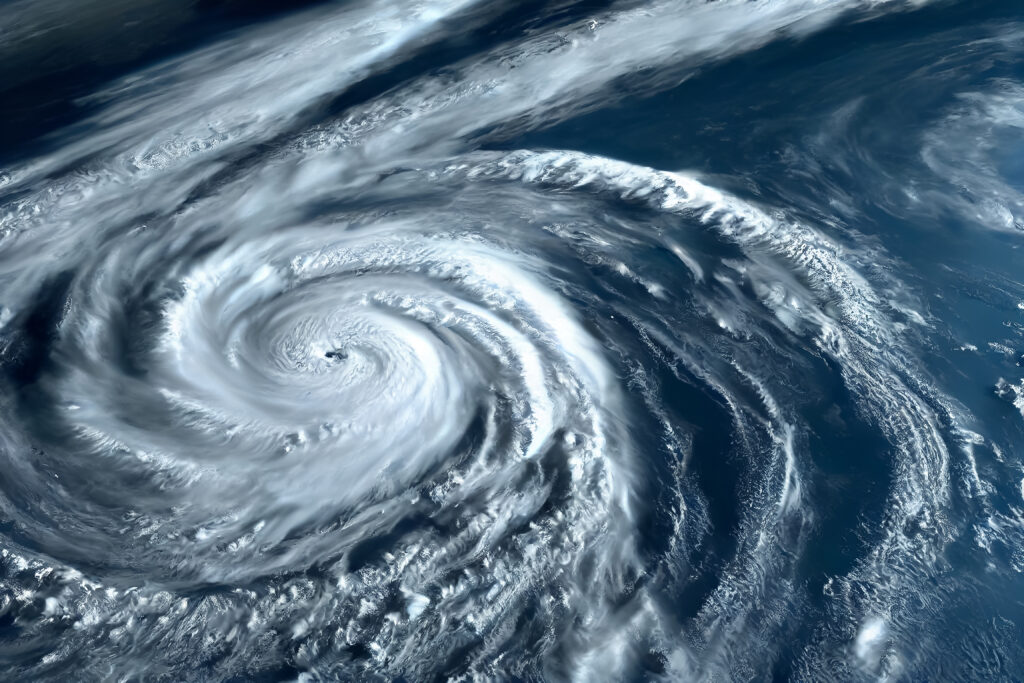
Hurricanes can strike without warning. It is crucial to be ready. Here are some steps we can take to prepare for a hurricane.
- Create an emergency plan. We should decide where to go if we need to evacuate, keeping in mind the potential need to file a claim for any damages incurred. Make sure everyone knows the plan.
- Gather emergency supplies. Stock up on food, water, and medications for at least three days. Include first aid kits and flashlights too.
- Secure important documents. Keep insurance policies, identification, and medical records in a waterproof container. This protects vital information during floods or heavy rain.
- Check our insurance coverage. Review our insurance policy carefully to ensure it covers hurricane damage, like wind or flood damage.
- Prepare our home. Trim trees and secure outdoor furniture that could become debris in strong winds. Consider boarding windows with plywood if needed.
- Stay informed about weather updates. Use local news and weather apps to track the storm’s path and intensity closely.
- Make arrangements for pets. Ensure pets have enough food and water too, and create a safe space for them during a storm.
- Discuss communication plans with friends or family outside the area in case of power loss or other emergencies.
- Know evacuation routes ahead of time so we don’t waste time when the storm approaches.
Taking these steps can help us feel more secure during hurricane season. Being prepared means we are ready to handle any challenges that come our way before, during, and after the storm hits.
Conclusion
We see how important a public adjuster can be. They help us manage our insurance claims after damage to our property. Their skills in assessing damage and negotiating settlements make a big difference.
When we face complex issues or major losses, hiring a public adjuster is often wise. With their support, we can gain fair compensation and take some stress off our shoulders.
For more detailed information on how to protect your property and loved ones during a hurricane, check out our comprehensive guide to hurricane preparedness.
FAQs
1. What is a public adjuster and how does one help with property damage claims?
A public adjuster is a licensed insurance professional who helps you handle your property damage claim. They assess the damage, review your insurance policy, and guide you through the claims process for issues like fire damage, water damage, or tornado damage.
2. How do public adjusters differ from an insurance company adjuster?
Public adjusters work for you, not the insurance company. An insurance company adjuster represents the insurer’s interests; a public adjuster works to get you the best possible settlement under your coverage.
3. What are some key responsibilities of a public adjuster during an insurance claim?
They manage claim preparation, provide repair estimates, identify hidden damages such as flood or hurricane impacts, and negotiate settlement terms on your behalf to maximize your insurance claim settlement.
4. Can a public adjuster help if my claim was denied by my insurer?
Yes; they can review denied claims by analyzing underwriting details in your policy and may reopen negotiations with the insurer to seek fair compensation for covered losses.
5. How does payment work when hiring a public adjuster?
Most work on a contingency fee basis; this means they only get paid if you receive money from your lump sum settlement after repairs or loss adjustment.
6. Why should I consider using a licensed professional instead of handling complex claims myself?
Insurance policies can be hard to understand due to industry terms about premiums or coverage options like HELOCs or lines of credit linked to home equity loans. A skilled professional finds conflicts of interest and ensures no hidden repair costs are missed in large or complicated cases involving estate agents or lawsuits impacting credit scores and mortgages.