

After a hurricane, many people struggle with their insurance claims and worry they will not get enough money to fix their homes. It is easy to feel lost or worried because the insurance process can be confusing.
We have seen how tough things can get after big storms like Hurricane Helene. Research shows that about 60% of homeowners do not receive all the coverage they should after a natural disaster.
This usually happens from missed steps or not having good records. Our blog shares simple tips for filing your hurricane insurance claim. With these tools, you can work better with your insurance company and help make sure you get what you need to rebuild.
Stay with us to learn easy ways to protect yourself and your home when hurricanes hit.
Key Takeaways
- About 60% of homeowners do not get their full hurricane insurance payouts because they miss steps or lack good records (source: research data, post-Hurricane Helene).
- Always check your policy for what is covered and what is not. Most standard policies do not cover flood damage from hurricanes like Hurricane Helene or Milton unless you have separate flood insurance.
- Take clear photos and videos of all damage after a storm. Make detailed lists with receipts to support your claim and speed up the process.
- File your claim as soon as possible and keep track of deadlines set by your insurer or agencies like the Small Business Administration (SBA).
- If your claim is denied, underpaid, or complex, hire a public adjuster to help you negotiate with the insurance company and get a fair payout.
Understand Your Insurance Policy
After talking about why a hurricane insurance claim matters, we should focus on what our policy covers. Policies differ between insurance companies and may not cover everything. For example, standard homeowners’ insurance often excludes flood damage from hurricanes like Hurricane Milton or Hurricane Helene.
We need to check if we have a separate flood insurance plan, especially if our home is near Florida’s Gulf Coast.
Many policies limit coverage for wind damage or wind-driven rain as well. Insurers might also set special deductibles for hurricanes or make us pay more because of surge-pricing after natural disasters.
Our property and casualty insurance might use terms such as replacement cost or actual cash value; these affect repair costs later in the claims process.
It pays to know whether your policy covers rising water versus storm winds before filing any property damage claims.
We can ask our insurance agent or underwriter to explain every part we find confusing. It helps to understand deadlines for reporting losses and how temporary repairs must follow specific rules set by insurers.
This knowledge lets us keep control over any disputes with an adjustor during damage assessment.
Steps to File a Hurricane Insurance Claim
Filing a hurricane insurance claim is crucial after a storm. First, we must document all the damage carefully. Then, we need to tell our insurance company right away. Good records help speed up the process and ensure we get what we deserve.
Document the Damage Thoroughly
We start by taking clear photos and videos of every area hit by the hurricane. This includes both flood damage and wind damage. We capture wide shots of each room and close-ups of ruined items, water stains, broken windows, roof leaks, or ripped siding.
To support our claim, we make a detailed list of all damaged property and contents. We note model numbers and brand names for big items like appliances or televisions.
Gathering repair receipts helps us show proof of actual costs if we have to do temporary repairs such as boarding up windows or drying out rooms after hurricanes Helene or Milton. If possible, we save debris until the insurance adjuster visits for their damage assessment.
Small business owners can include lost inventory in this record too; homeowners should not forget outdoor features like fences or sheds hurt by wind-driven rain from a category 4 hurricane.
After collecting these records, we are ready to notify our insurance company right away so they send an independent adjuster quickly.
Notify Your Insurance Company Immediately
After a hurricane like Hurricane Helene or Hurricane Milton, we contact our homeowners insurance company right away. Quick notice helps start the claims process and allows insurance adjusters to assess property damage sooner.
We share detailed information about wind damage, floodwaters, or other loss from the natural disaster.
We use our insurance policy number and have a damaged items inventory ready. This makes it easier for underwriters and claims adjusters to review our property damage claim fast. Acting quickly also keeps us within filing deadlines set by the Small Business Administration or federal emergency agencies if needed.
Meet Deadlines for Filing Claims
Next, we must meet the deadlines for filing claims. Each insurance company has its own time limits. We need to check our policy for these dates. If we miss them, we could lose out on funds.
Filing a hurricane insurance claim quickly is vital. Documenting our damage right after it happens helps us act fast. Staying organized keeps everything in order too. Let’s avoid delays and ensure our claims move smoothly through the process.
Tips to Maximize Your Payout
When we file a hurricane insurance claim, keeping clear records is key to getting the most money. We need to track all our expenses and repairs. This helps us show the true cost of fixing our homes.
We should also make temporary fixes to stop more damage. If things get tricky, hiring a public adjuster can really help us navigate through complicated claims. Want to learn how these tips can work for you?
Keep Detailed Records of Expenses and Repairs
We must keep detailed records of all expenses and repairs after a hurricane. This includes every cost for temporary repairs, like tarps or boarding up windows. We should save all repair receipts too.
They help show the costs we incurred to fix our property.
An inventory of damaged items is essential as well. Listing what was lost can help during the claim process. These documents provide proof when we talk to our insurance adjuster about wind damage or flood damage claims.
Keeping accurate records supports our case for getting a fair payout from our homeowners insurance policy. Next, we should focus on how to prevent further damage to our property.
Prevent Further Damage to Your Property
We need to act fast after a hurricane. Take steps to stop more harm. Cover broken windows and damaged roofs with tarps or plywood. This can help keep rain out and prevent mold growth.
Move any items that might get ruined by water or wind damage. If possible, make temporary repairs right away. Keep receipts for repair costs; this will help us later when filing our hurricane insurance claim.
Taking quick action protects our property and keeps the claims process smoother as we deal with insurance adjusters next.
Hire a Public Adjuster for Complex Claims
Hiring a public adjuster helps us with complex claims. These experts know the ins and outs of insurance policies, especially after disasters like Hurricane Helene or Hurricane Milton.
They understand flood damage and wind damage better than most.
A public adjuster can assess our property damage carefully. They help document everything we need for our claim. This includes repair costs and temporary repairs to prevent further loss.
With their guidance, we can navigate disputes efficiently and maximize our payout from insurance companies.
The Difference Between an Insurance Adjuster and a Public Adjuster: A Complete Guide
Insurance adjusters and public adjusters have different roles in the claims process. An insurance adjuster works for the insurance company. They assess damages and determine how much to pay you based on your policy.
Their goal is to protect the company’s interests.
Public adjusters represent us, the policyholders. We hire them to work on our behalf during a claim. They evaluate property damage, file necessary paperwork, and negotiate with the insurance company for fair compensation.
This helps us feel confident that we are getting what we deserve after disasters like Hurricane Helene or Hurricane Milton. Understanding these differences can help us choose who best fits our needs when dealing with homeowners insurance claims.
Common Challenges and How to Overcome Them
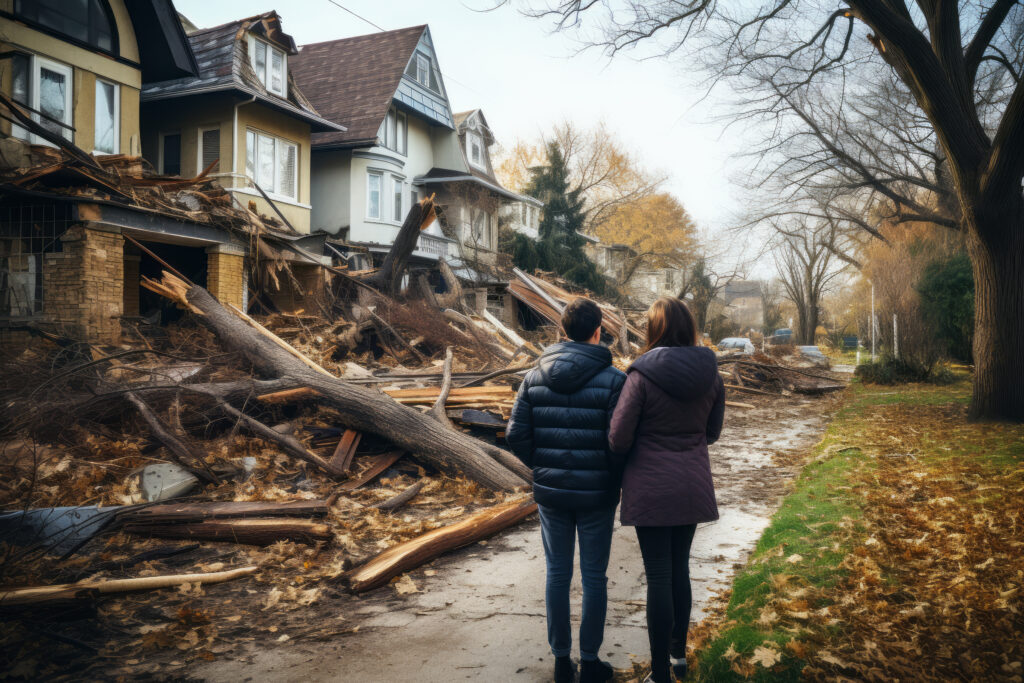
Claiming insurance after a hurricane can be tough. We may face issues like disagreements over wind damage and flood damage. Understanding these challenges helps us find solutions. Knowing how to handle denied claims or low payouts is key too.
Disputes Over Wind vs. Flood Damage
Disputes over wind and flood damage can be tricky. Different insurance policies cover different types of damage. Homeowners insurance often covers wind damage but may not cover flood damage unless we have separate flood insurance.
Wind-driven rain from a hurricane might be considered part of wind damage, while rising water is usually classified as flooding.
We must clearly document the cause of our property damage. Keeping records helps when dealing with an insurance adjuster or a public adjuster. If our claims get denied or underpaid due to these disputes, seeking legal assistance could help us navigate through this challenge effectively.
Understanding what our policy includes makes a big difference in how we handle these issues after a natural disaster like Hurricane Helene or Hurricane Milton.
Handling Denied or Underpaid Claims
Disputes over wind versus flood damage can lead to denied or underpaid claims. We must act quickly if our claim gets denied or we feel the payout is too low. First, read through our insurance policy carefully.
This helps us understand what damages are covered and any exclusions.
We should gather all evidence of damage, including photos and documents. Keeping detailed records of repair costs and temporary repairs helps strengthen our case. If we still face issues, hiring a public adjuster may be useful; they know how to handle complex claims and negotiate with insurance companies on our behalf.
Seeking legal assistance is another option for serious disputes regarding property damage claims or denial of coverage from flooding events like Hurricane Milton or Hurricane Helene.
Conclusion
We want to help you navigate the hurricane insurance claims process. Understanding our policies and documenting damage is key. Keeping records of expenses can increase our payouts.
We should act fast and meet deadlines for filing claims. By following these tips, we can better protect ourselves and maximize what we deserve after a storm.
FAQs
1. What steps should I take after my home suffers wind damage or flood damage from a hurricane?
Begin by making temporary repairs to prevent further property damage. Document all damaged items with photos and keep repair receipts for your hurricane insurance claim.
2. How do I start the hurricane insurance claims process with my homeowners insurance?
Contact your insurer as soon as possible after the natural disaster. Provide a detailed inventory of damaged items and review your insurance policy to understand coverage limits.
3. Should I work with an independent adjuster, public adjuster, or the company’s own insurance adjustor?
You can choose any of these professionals for your property damage claims. Independent adjusters offer third-party assessments; public adjusters represent you; company adjustors work for the insurer.
4. Does standard home insurance cover both wind-driven rain and flood damage from hurricanes like Hurricane Helene or Hurricane Milton?
Most homeowners policies cover wind damage but not flood damage. For full protection, buy separate flood insurance through the federal emergency management agency.
5. How can legal assistance help if there are disputes in my hurricane insurance claim?
Legal experts help resolve coverage issues, assess risk assessment reports, and challenge denied claims or low payouts during disputes with the insurance industry.
6. Why is it important to provide accurate documentation when filing property insurance claims after tornadoes or hurricanes?
Accurate records support your case during claim reviews and ensure you receive fair compensation based on actual repair costs, rebates, and current premiums set by insurers.