

A ceiling water leak can cause major trouble for your home and personal property. Water damage is one of the most common reasons people file an insurance claim with their homeowners insurance company.
This article will show you simple steps to handle leaks, protect your house, and explain when it makes sense to call a public adjuster for help with your insurance claim. Keep reading if you want to avoid bigger problems and get the best outcome from your insurer.
Key Takeaways
- Ceiling water leaks often come from burst pipes, roof damage, or broken HVAC systems. For example, the Insurance Information Institute says burst pipes are a top reason for home insurance claims.
- Take fast action when you find a leak: turn off the main water valve and move items out of harm’s way. Use photos to document all damage before cleanup begins, especially if you notice water leaking from the ceiling.
- Mold can grow within 24–48 hours after water damage. It may cause health problems like coughing and sneezing if not treated quickly, particularly due to water leakage.
- Insurance companies sometimes deny claims due to old pipes or if leaks were slow and lasted a long time. Check your policy details closely.
- Call a public adjuster if your claim is denied or complicated. They work for you—not the insurance company—to help you get fair payment for repairs and damages.
Common Causes of Ceiling Water Leaks
Ceiling water leaks can happen for a few reasons. Burst pipes, roof damage, and problems with your HVAC system often cause these issues.
Burst Pipes
A burst pipe can flood your home fast. Water pours out and soaks walls, ceilings, and floors. It often happens in winter if pipes freeze or from old plumbing that breaks under pressure.
Even a small crack can leak hundreds of gallons of clean water in just one day.
Act quickly to stop more property damage. Shut off the main water valve right away. Move personal items out of harm’s way if you can do it safely. Homeowners insurance may cover these sudden leaks, but some claims adjusters might deny coverage for older pipes or slow leaks that have caused long-term damage over time.
“Water damage from burst pipes is one of the most common insurance claims made by homeowners,” says the Insurance Information Institute.
Document all standing water with photos before cleanup begins. Contact your insurance company as soon as possible to start a claim for repairs and possible mold damage caused by wet surfaces left untreated.
Roof Damage
Roof leaks often start from missing shingles, cracked tiles, or damaged flashing. Heavy storms and wind-driven rain can make roof damage worse. Even small holes let water into the attic and down to the ceiling below.
This moisture can weaken beams and ruin insulation. Over time, you might spot stains or sagging spots on your ceiling from this property damage caused by water dripping.
If you see signs of water damage after a storm, check your roof for loose materials or blocked gutters right away. Mold can grow in areas with standing water trapped behind walls or in ceilings due to leaks.
Insurance company policies may cover storm damage like broken shingles but might need proof that the problem came from sudden events, not long-term neglect. A public adjuster can help explain coverage details if roof replacement gets denied by insurance adjusters, especially after leak detection. claims process.
HVAC System Malfunctions
A broken air conditioner or heater can cause water damage on your ceiling. When the drain line in an HVAC system clogs can lead to water dripping from the ceiling if not addressed properly., condensation has nowhere to go. Water can build up and leak through drywall, which leads to stains, mold damage, and even cracks due to water leakage.
Dirty air filters may also force coils to freeze and then melt; this leaves standing water above ceilings.
Regular inspection of HVAC units helps stop leaks before they start. Check for puddles or moisture around vents if you notice higher humidity indoors or spots on your ceiling tiles.
If left alone, property damage might increase repair costs and affect personal property nearby. Homeowners insurance sometimes covers sudden leaks from HVAC malfunctions but review your policy details with your insurance company or a public adjuster before starting the claims process.
Immediate Steps to Take After Discovering a Leak
When you find a leak, act fast. First, look for where the water is coming from. Then, stop more damage by clearing away furniture and using towels or buckets to catch dripping water.
Identify the Source
Check your ceiling carefully. Start by looking for water stains or discoloration, which may indicate water leaking from the ceiling. These spots can indicate where the leak is coming from. Look directly above these areas as leaks often come from pipes or roofs.
Inspect the roof, especially after storms. Wind-driven rain can cause damage that leads to leaks. Check if any shingles are missing or cracked. If you have an upstairs neighbor, ask them if they have had plumbing issues too.
Finding the source of the leak is crucial to stopping further damage and addressing mold risk in your home. Knowing this will help you fix it quickly and efficiently before moving on to repair options for crack ceiling damage.
Mitigate Further Damage
Act fast to stop more harm from a ceiling water leak, and consider calling a professional if necessary. First, turn off the main water supply. This will help prevent extra water damage in your home or property. Next, move furniture and personal items away from the leak.
Protect your belongings from standing water.
Use towels or buckets to catch any dripping water. If there is visible mold damage starting, deal with it right away. Mold can grow quickly and make things worse for you and others living in the space.
Open windows to air out the area; this helps reduce moisture levels inside. Contact a professional who can handle repairs properly so that roof replacement or other fixes are done well after assessing the causes like roof damage or pipe issues.
Crack Ceiling Damage: What Causes It and How to Fix It
Crack ceiling damage often happens due to water leaks, aging materials, or even shifts in the house structure. Water damage from your roof or burst pipes can weaken ceilings. When water seeps in, it can cause cracks and stains.
Also, heavy snow can add weight on rooftops. If roofs are old or damaged, the risk of leaks increases significantly.
Fixing these cracks starts with identifying what caused them. Inspect for any signs of roof damage first, as it could be the source of a leak. Address all leaks, including any source of a leak, before making repairs to avoid further issues down the line.
Once you stop the source of moisture, clean and dry out the area thoroughly; this helps prevent mold growth that could lead to more problems later on. Use a patching compound for small cracks; apply primer and paint after it dries for a smooth finish that matches your ceiling color well.
Is Water Damage Mold Dangerous? Here’s What You Should Know
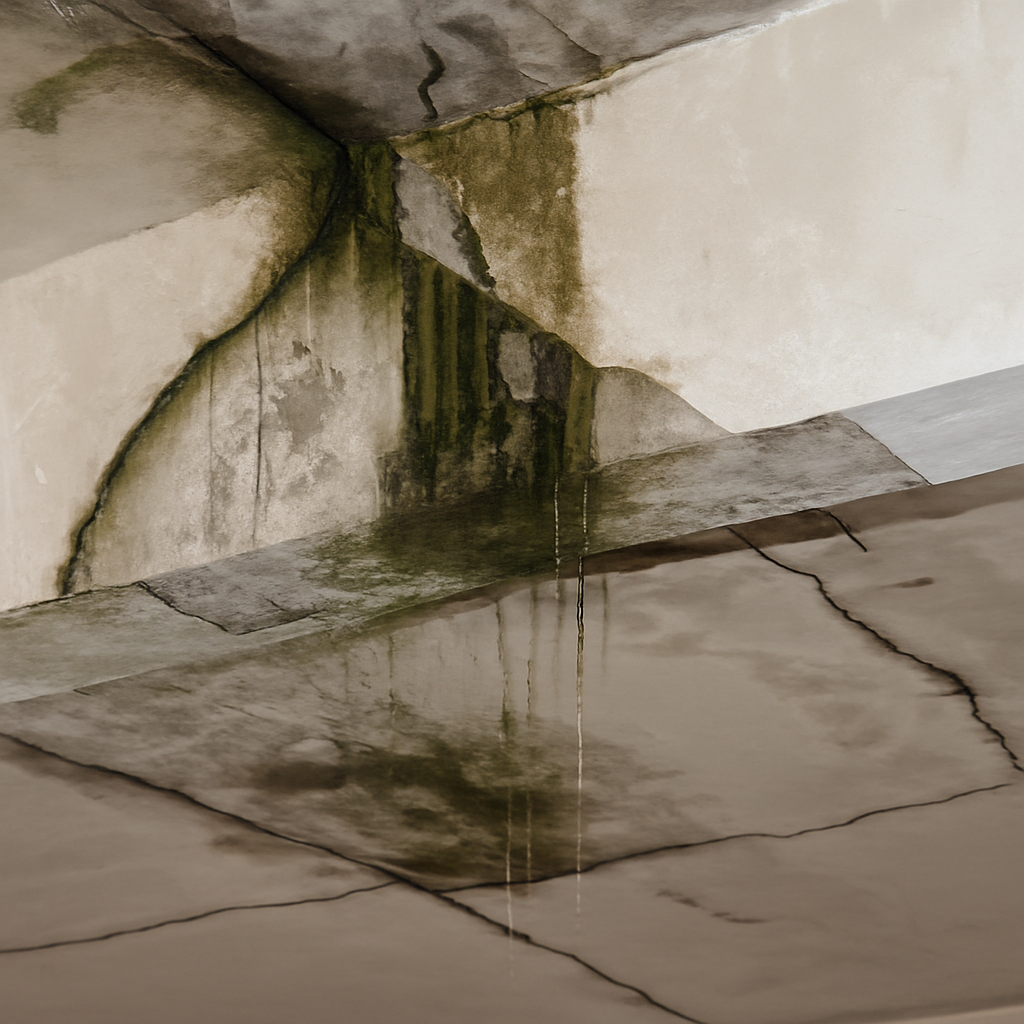
Water damage can lead to mold growth, particularly when there is water dripping from the ceiling. Mold thrives in damp areas and can appear quickly after a leak. This growth poses risks to your health, especially for those with allergies or respiratory issues.
Mold can cause symptoms like sneezing, coughing, and headaches. Long-term exposure may lead to more serious health problems.
Homeowners should act fast if they see water damage. Remove the source of moisture right away to prevent mold from spreading, particularly if there is water leakage. Dry out the area completely within 24-48 hours after a leak occurs.
If you notice mold already growing, it is important to contact professionals for remediation. They know how to handle the situation safely so it does not return again later on.
When to Call a Public Adjuster
When your insurance claim is complex or denied, a public adjuster can help. They work hard to get you the money you deserve from your insurance company.

Complex or Denied Claims
Complex claims often arise from water damage. These are cases where your insurance company may not approve the claim easily. You might face delays or denials due to unclear policy terms.
For example, a roof leak caused by storm damage could lead to disputes on coverage.
Denied claims can feel frustrating for homeowners and landlords alike. An upstairs neighbor’s overflow could leave you with mold damage or personal property issues that your insurer does not want to cover.
Calling a public adjuster can help if you meet these challenges; they understand how insurance companies work and can assist in getting the settlement you deserve.
Maximizing Your Insurance Settlement
Collect all documents related to your water damage claim. This includes photos of the leak, repair estimates, and any communications with your insurance company. These records will help you clearly show your case.
Know what damages are covered by your homeowners insurance. Include personal property damage as well as repairs for ceiling and roof damage in your claim. An experienced public adjuster can help negotiate for a higher settlement amount related to water damage from a fixture leak.
They understand the claims process and can work with your insurance adjuster to get you a fair deal on storm or mold damage.
What Does a Public Adjuster Do? More Than You Think
A public adjuster helps homeowners and property managers with insurance claims. They work for you, not the insurance company. This means they focus on getting you the most money possible for your property damage, especially in cases of leak detection.
Public adjusters assess water damage from ceiling leaks, burst pipes, or roof issues, including water dripping. They prepare and file your claim to make sure nothing is missed. Their goal is to speed up the claims process and help you get fair compensation for damages like mold or personal property loss.
Conclusion
Ceiling water leaks can cause big problems for your home. They may damage your property and lead to mold growth. Acting quickly is key to reducing harm. If the issue is complex or your claim gets denied, calling a public adjuster could help you get what you deserve from your insurance company.
With their expertise, you can feel more secure in handling the claims process efficiently.
FAQs
1. What does a ceiling water leak mean for my property?
A ceiling water leak often signals water damage that can affect your personal property and the building’s structure. It may come from roof damage, an upstairs neighbor, storm damage, or sewer system issues.
2. Will homeowners insurance cover all types of water leaks?
Homeowners insurance usually covers sudden property damage like wind-driven rain or burst pipes but might not pay for long-term damage or mold damage caused by slow leaks.
3. When should I call a public adjuster after finding standing water?
Call a public adjuster if you face major standing water, large-scale property loss, or if your insurance company denies coverage. A public adjuster helps with inventories and guides you through the claims process to protect your interest.
4. How do insurance premiums change after filing a claim for roof replacement?
Filing claims for roof replacement due to storm or roof damage can raise insurance premiums depending on past claims history and supply chain costs in your area.
5. Why is it important to act fast when dealing with possible mold from a ceiling leak?
Fast action prevents long-term mold damage and protects both personal property and health; delay could hurt your chance of getting full coverage from the insurance company or their assigned adjuster.