

Dealing with an insurance claim after property damage can be confusing and stressful. Many homeowners do not know that a public adjuster can help get a fair settlement from the insurance company.
This post explains how licensed public adjusters work to assess your damage, handle claims paperwork, and fight for your rights under your insurance policy. Find out what steps you need to take next.
Key Takeaways
- Public adjusters work for you, not the insurance company. They help you document damage, prepare your claim, and negotiate to get a better payout.
- Hiring a public adjuster can increase your final insurance settlement. Many charge a fee between 5% and 15% of your payout, but their expertise often leads to more money than if you file alone.
- Public adjusters find hidden or missed damages that insurance adjusters might overlook. This helps avoid underpaid claims and ensures you get what your policy covers.
- Insurance adjusters work for the insurance company and may use tactics to save money for the company. A public adjuster stands up for your rights to maximize your settlement.
- Always read your policy, keep good records, and avoid rushing the claim process. Hiring a public adjuster is helpful if your claim is large or complex, like in hurricane or major storm cases.
What is a Public Adjuster?
After learning the basics of the claims process, it helps to understand who can support you through it. A public adjuster is a licensed insurance expert. This person works on your behalf, not for your insurance company.
Public adjusters review your property insurance policy and inspect damage such as fire, water, storm, or smoke damage.
They handle tasks like documenting property damage and preparing detailed claim files. Public adjusters also collaborate with specialists for damage assessment and repair estimates.
They negotiate directly with your insurance carrier so you can get a fair settlement on your insurance claim. Their main goal is to spot missed damages and protect your rights as a policyholder during each step of the insurance claims process.
The Role of Public Adjusters in the Insurance Claims Process
Public adjusters help homeowners with their insurance claims. They assess and document property damage after incidents like fires or storms. These experts prepare the necessary claim documents and submit them to your insurance company.
Then, they negotiate on your behalf to ensure you receive a fair settlement from insurers.
Assessing and Documenting Property Damage
Public adjusters play a vital role in the insurance claims process. They ensure homeowners receive a fair settlement for property damage.
- Public adjusters start by carefully inspecting your home. They look for both visible and hidden damages.
- They document all damage. This includes taking photos and writing detailed notes.
- Adjusters make lists of damaged or lost items. These lists help prove what needs replacing or fixing.
- They gather repair estimates. Local contractors usually provide these estimates to understand how much repairs will cost.
- Public adjusters fill out all necessary insurance forms for you. This makes sure nothing gets missed.
- They put together a complete claim file. This file has all the photos, lists, and forms.
- The goal is to avoid underpayment. Accurate records support your claim for more money.
- Public adjusters use their knowledge to spot issues homeowners might miss. This could be structural damage not easily seen.
This careful work helps in negotiating with insurance companies. It ensures you get enough money to cover all repairs and losses.
Preparing and Submitting Claim Documentation
Preparing and submitting claim paperwork is a key step in the insurance claims process. Public adjusters take charge of this to ensure clients get a fair settlement.
- Public adjusters start with a thorough property inspection. They look for all types of damage, such as fire or water harm.
- They make detailed lists of what is damaged. This includes everything from big furniture to small items.
- Experts write reports on the damage. These cover what happened and how bad it is.
- The adjusters compile repair estimates too. They find out how much it will cost to fix everything.
- Every document needed by the insurance company gets gathered. This makes sure nothing is missed that could help the claim.
- The public adjuster helps fill out all claim forms accurately. Mistakes here can slow things down or hurt the claim.
- Photos and videos are taken to show the damage clearly. This visual proof supports the written claim.
- If needed, they talk to experts like builders or engineers. This helps understand complex damages better.
- All this info gets put into a comprehensive file for the insurer. It’s organized to make review easier for them.
These steps aim at creating a strong case for the insurance claim. Next, we’ll look into negotiating with insurance companies.
Negotiating with Insurance Companies
Public adjusters negotiate directly with insurance companies. They fight for the best settlement possible for their clients. These experts handle all communication and advocate for your interests.
Their knowledge helps you spot damages that might go unnoticed during claims discussions.
By preparing strong claim files, public adjusters boost your negotiating power. They explain your insurance policy coverage clearly to use it as a tool in negotiations. Collaboration with other specialists adds credibility, making it harder for insurers to deny or underpay on claims.
A public adjuster is like having a coach who knows the game of insurance.
Next, let’s explore the benefits of hiring a public adjuster.
Benefits of Hiring a Public Adjuster
Hiring a public adjuster can help you get the most money from your insurance claim. They know how to handle property damage and understand what your policy covers. This makes the claims process easier for you.
With their support, you’ll feel less stress during tough times. They work hard to ensure you receive a fair settlement for your loss. Curious about how they can help? Keep reading!
Maximizing Your Insurance Settlement
Maximizing your insurance settlement starts with a thorough assessment of property damage. Public adjusters conduct detailed evaluations to find all types of damages. They look for structural issues, hidden water damage, and fire or smoke damage that you might miss.
This step is crucial because the right documentation can support your claim.
Next, public adjusters prepare comprehensive claim files. They gather inventories and repair estimates that show the full extent of your loss. By submitting clear and detailed documents to insurance carriers, they increase the chances of a fair settlement.
These experts also negotiate directly with the insurance company on your behalf, fighting for the best possible outcome for you as an insured person.
Reducing Stress During the Claims Process
Public adjusters manage communication and negotiations for you. This helps reduce your involvement in the complex claims process. They assess property damage thoroughly. Their detailed documentation eases your worries about missing anything important.
Negotiating with insurance companies can be stressful. Public adjusters act as your advocate during this crucial time. They represent your interests and fight for a fair settlement.
This support relieves much of the emotional burden you may feel while dealing with insurers. Plus, their expertise often uncovers overlooked damages, preventing future stress related to denied or underpaid claims.
Understanding Public Adjuster Pros and Cons
Public adjusters have both benefits and drawbacks. They specialize in evaluating property damage. Their expertise helps prepare complete claim files. This process can greatly increase your insurance settlement.
Public adjusters also handle negotiations with the insurance company for you, taking stress off your shoulders.
On the flip side, hiring a public adjuster comes at a cost. Most charge a percentage of the total claim payout; fees can vary widely. Some clients worry about this additional expense cutting into their final settlement amount.
There may be concerns as well about choosing an experienced public adjuster who will truly advocate for policyholder rights during the claims process. Balancing these pros and cons is vital before deciding to hire one for managing your insurance claims process effectively.
How Much Does a Public Adjuster Charge?
Public adjusters typically charge a percentage of your settlement. This fee can range from 5% to 15%. The exact amount may depend on the details of your case and local laws.
Most public adjusters will explain their fees upfront, so you know what to expect. Hiring one can often lead to a higher insurance payout than you would get on your own. This suggests it might be worth paying the fee for expert help in maximizing your insurance claim and obtaining a fair settlement.
The Difference Between Public Adjusters and Insurance Adjusters
Public adjusters and insurance adjusters have different jobs. Public adjusters work for the policyholder. They help clients with damage assessment, prepare claims, and negotiate settlements.
Their goal is to get the best payout for the homeowner. They focus on all types of property damage, including fire damage and water damage.
Insurance adjusters represent the insurance company. They assess damages too but aim to protect the insurer’s interests. Their priority is often to minimize payouts. While public adjusters look out for you, insurance adjusters watch over their employer’s bottom line.
Understanding this difference helps homeowners know who is really on their side during the claims process.
Home Insurance Claim Adjuster Secret Tactics
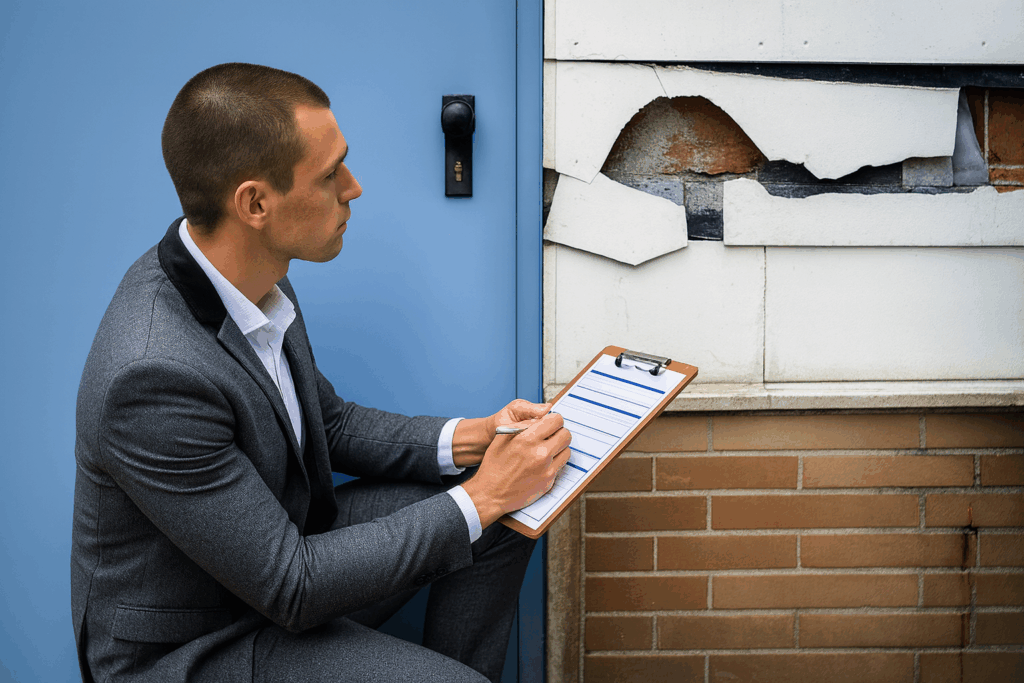
Insurance adjusters use certain tactics to keep their costs down. They focus on saving money for the insurance company. This can leave you with less than what you deserve. Many adjusters might overlook damages in your home or give low estimates for repairs.
A public adjuster stands up for your rights as a policyholder. They assess and document property damage thoroughly using photos, videos, and detailed notes. Public adjusters prepare strong claim files that highlight every issue, pushing back against lowball offers from the insurance carrier.
Their goal is to ensure you receive a fair settlement based on proper assessments of fire damage, water damage, or structural damage in your home.
Tips for Maximizing Your Insurance Claim and Getting the Best Payout
Homeowners want to get the most from their insurance claims. Here are some tips to help you maximize your claim and get the best payout.
- Read your insurance policy carefully. Understand what is covered and what is not. Knowing your rights as a policyholder helps in the claims process.
- Document all damage thoroughly. Take clear photos or videos of property damage right away. This will serve as evidence for your claim.
- Keep all receipts related to repairs or temporary housing. These can help support your claim for costs incurred after the damage.
- Get repair estimates from reliable contractors. Multiple estimates can show the extent of damage and provide proof of expected costs.
- File your claim promptly. Most policies have a deadline for filing claims, so do it as soon as possible to avoid delays.
- Communicate clearly with your insurance company. Provide them with all necessary information and stay on top of any requests they make during the claims process.
- Know that you can hire a public adjuster if needed. They can assess damage and negotiate with insurance companies on your behalf, which may lead to a fair settlement.
- Don’t accept the first offer without reviewing it well. Insurance companies may initially offer low settlements, so push back if you feel it doesn’t cover all damages or losses.
- Stay organized throughout the entire process. Keep copies of all communications, documents, and notes about conversations with adjusters or contractors related to the claim.
- Seek advice from insurance experts when in doubt. They can help interpret complex policy terms and guide you through filing an insurance claim effectively.
Common Mistakes When Filing a Claim and How to Avoid Them
Filing an insurance claim can be tricky. Avoiding mistakes is key for a fair settlement.
- Failing to document damage properly hurts your claim. Take clear pictures of all property damage right away.
- Not reading your insurance policy may lead to misunderstandings. Know what coverage you have before filing a claim.
- Missing deadlines can cause delays or denials. Keep track of all important dates in the claims process.
- Skipping the assessment phase means missing key details. Always get a professional damage assessment for accurate repair estimates.
- Providing incomplete information can harm your case. Fill out every part of the claim forms fully and truthfully.
- Rushing the process can lead to errors or underpaid claims. Take your time and review everything before submission.
- Ignoring advice from public adjusters may cost you money and time. Listen to their guidance for managing the claims process effectively.
- Accepting the first offer from your insurance company might not reflect true damages. Negotiate for a better deal if needed.
- Not keeping copies of documents slows down communication with your insurance carrier, so maintain records of all correspondence.
- Allowing stress to overwhelm you affects decision-making during disputes with insurers; consider hiring licensed public adjusters for support.
Stay informed and avoid these common pitfalls when filing an insurance claim for property damage, and you’ll improve your chances for success!
Hurricane Damage Insurance Help: How Public Adjusters Maximize Your Claim
Hurricane damage can be severe. Public adjusters are here to help you through this process. They assess and document property damage caused by storms, including structural and water damage.
Their expertise ensures they find both visible and hidden damages in your home.
After assessing the loss, public adjusters prepare detailed claim files for your insurance company. They gather repair estimates and expert reports needed for a strong claim submission.
This helps defend against denied claims or underpaid claims from insurance carriers. Public adjusters negotiate directly with the insurance companies to secure maximum settlements for homeowners facing hurricane-related losses.
Conclusion
Insurance claims can be tough. Public adjusters make it easier for homeowners. They assess damage, prepare documents, and negotiate with insurance companies. Their goal is to get you the settlement you deserve.
With their help, you can feel confident in your claim process and focus on rebuilding your home.
FAQs
1. What is the insurance claims process for property damage?
The insurance claims process starts when you file an insurance claim with your insurance carrier after property damage like fire, water, hurricane, or storm damage. Claims adjusters then assess the structural damage and review your insurance policy to decide coverage.
2. How do public adjusters help insureds during a claim settlement?
Licensed public adjusters work for policyholders, not the insurance company. They handle repair estimates and interpret contracts to make sure you get a fair settlement from your insurer.
3. Can public adjusters assist if my claim was denied or underpaid?
Yes, public adjusters are experts in policy interpretation and can help with denied claims or underpaid claims by negotiating directly with the insurer for proper compensation.
4. Why is it important to have accurate damage assessment in the claims process?
Accurate damage assessment ensures that all smoke damage, water intrusion, and structural loss are included in your replacement cost estimate; this leads to better outcomes during negotiations with insurers.
5. What rights do policyholders have during an insurance adjustment service?
Policyholder rights protect you throughout dealings with the insurance industry; these include privacy protections and access to information as stated by groups like the National Association of Insurance Commissioners.
6. How does delay, deny, defend affect my experience as a claimant in places like Panhandle of Florida?
Some insurers use delay tactics or may deny valid claims which can slow down repairs after events such as hurricanes; hiring experienced public adjusters helps insureds challenge these practices so they receive timely settlements within their coverage limits.