

Many homeowners in Fort Lauderdale still deal with problems caused by Hurricane Irma. Roof leaks, mold, and rising insurance costs are common issues. If you live in an area hit by the category 5 hurricane or other major hurricanes like Hurricane Andrew or Hurricane Michael, you may worry about flood damage and storm surges too.
Hurricane Irma struck South Florida hard during the Atlantic hurricane season of 2017. The Federal Emergency Management Agency (FEMA) reported thousands of claims for wind damage and water losses after this natural disaster.
This blog helps homeowners understand how long-term effects from Hurricane Irma can impact their homes, businesses, and communities. Learn how to protect your property value, file insurance claims with companies or adjusters if needed, and prepare for future storms in Southeast Florida.
Find out what every homeowner should know next.
Key Takeaways
- Hurricane Irma hit Fort Lauderdale hard in 2017, causing severe roof, water, and mold damage to many homes and businesses. Thousands filed wind and flood claims with FEMA after the storm.
- Homeowners faced long-term problems like rising insurance costs, denied claims for flood or delayed repairs, and high repair bills. Mold from lingering moisture became a big health risk that could last months.
- Many local roads, bridges, and power lines suffered serious damage. Some areas struggled with outages for days or weeks after the hurricane.
- Property values dropped right after Irma because buyers worried about future storms. Later, demand grew for homes built to new codes that can resist strong winds and floods.
- Local leaders improved building codes and invested in flood prevention systems following Irma’s destruction. These updates help protect families against future hurricanes as storms grow worse due to climate change.
Impact on Residential Properties
Hurricane Irma caused severe damage to homes in Fort Lauderdale. Many houses needed repairs for water and mold issues, which can last long after the storm is gone. Homeowners should think about hiring a public adjuster to help with insurance claims.
Structural damage and repairs
Strong winds and storm surge from hurricane Irma (2017) damaged many homes in Fort Lauderdale. Roofs flew off, windows shattered, and walls cracked under the pressure of a Category 4 hurricane.
Some buildings lost parts of their structure while others faced collapsed garages or broken HVAC systems. Many condos near the coast suffered water damage after tidal flooding filled lower floors with dirty floodwater.
The cost to fix these problems remains high for homeowners, especially as insurance premiums keep rising across south Florida.
Repairs often take months or even years after large-scale natural disasters like Irma. Builders had to follow new building codes set by the International Code Council and guidelines from federal agencies such as FEMA during reconstruction.
Local residents replaced roofs, reinforced doorways, and added stronger materials to guard against future tropical storms or hurricanes like Hurricane Andrew (1992), Hurricane Ian (2022), or similar named storms in the Atlantic hurricane season.
After repairs are done, mold and water damage can still cause trouble for long periods of time if not treated well.
Long-term mold and water damage
Long-term mold and water damage can cause major problems for homes in Fort Lauderdale after Hurricane Irma. Water from the storm surge often seeped into walls, floors, and roofs. This moisture fed toxic mold growth over weeks or months.
The Centers for Disease Control (CDC) says that indoor mold exposure can trigger asthma attacks and other health issues, especially for children or seniors. Flooded homes stay damp longer in South Florida’s humid air; FEMA has reported mold outbreaks even six months after hurricane floods.
Mold weakens wood framing and drywall, making structural repairs costly. Homeowners struggle with repairs as insurers sometimes deny claims related to flood damage or delayed cleanup.
In 2017 alone, insurance companies saw a spike in claims tied to water-damaged properties across the Atlantic hurricane season zone including the Florida Keys and Sint Maarten. Repeated flooding raises long-term humidity levels inside homes which increases future risk of serious property loss during hurricanes like Harvey, Katrina, and Michael.
“Unchecked moisture creates perfect conditions for hidden decay,” said a spokesperson from Federal Emergency Management Agency (FEMA).
Why Homeowners in Affected Areas Should Consider Hiring a Public Adjuster
Public adjusters help homeowners in South Florida handle insurance claims after major storms like Hurricane Irma. Many people found their homeowner’s insurance did not cover all wind damage or flood damage from the storm surge.
Public adjusters can review your policy, inspect damages, and speak with the insurance company for you. They work to get you a fair payout so repairs match what was lost.
Hurricane Irma was a Category 5 hurricane that hit places like the Florida Keys and Fort Lauderdale hard in 2017. After disasters like this or even weaker storms such as Category 3 hurricanes, property owners face confusing paperwork, rising expenses, economic impact risks, and strict building codes enforced by local rules or the Federal Emergency Management Agency (FEMA).
A public adjuster knows state guidelines and can save you time while protecting your rights during tough Atlantic hurricane seasons fueled by climate change.
Impact on Commercial Properties
Hurricane Irma hit many businesses hard. Many closed, leading to big losses. The cost of insurance also went up for those that stayed open. Business owners faced new challenges as they tried to recover and rebuild after the storm.
Business closures and economic losses
Business closures hit Fort Lauderdale hard after Hurricane Irma. Many shops and services shut down for weeks or even months. This lost time hurt local owners and employees alike. People in the area struggled to find work, leading to higher unemployment rates.
Some businesses never reopened, leaving gaps in the market.
Economic losses also affected homeowners. Property values dropped as buyers worried about future storms and repairs. Insurance costs climbed sharply since companies faced more claims for flood damage and wind damage from hurricanes like Harvey and Michael.
These financial struggles impacted not just business owners but everyone who lived here, including families seeking affordable housing options in South Florida.
Increased insurance costs
Insurance costs have risen significantly in Fort Lauderdale after Hurricane Irma. Homeowners face higher premiums due to the extensive damage from wind and flood. Insurers take into account the increased risks linked to severe weather conditions, like storm surge and heavy rain.
This rise affects many properties across South Florida.
Some homeowners may find it hard to afford these new rates. They need to explore options for coverage that fits their budget while still offering protection against future storms. Many people are now looking for ways to make their homes more storm-resistant.
Strengthening building codes is one step being taken by local governments. More details on infrastructure damage lie ahead, including how roads and bridges were affected by Irma’s fury.
Infrastructure Damage
Hurricane Irma caused severe damage to roads and bridges in Fort Lauderdale. Many areas still struggle with power outages, affecting daily life and safety.
Road and bridge damage
Roads and bridges suffered severe damage from Hurricane Irma. Many structures became impassable due to flooding and debris. Some areas faced long delays in repairs, making it hard for residents to travel safely.
The economic impact was significant as businesses could not get supplies or customers quickly. Power outages added more challenges for commuters and first responders. These issues highlight the need for better hurricane preparedness plans in South Florida, especially with rising storm intensity linked to climate change.
Power grid disruptions
Road and bridge damage affected many travel routes. This also impacted the power grid in Fort Lauderdale. Hurricane Irma caused significant outages across South Florida. Many homes and businesses lost electricity for days or weeks.
These power disruptions caused more than just inconvenience. Without power, food spoiled and air conditioning stopped working during hot months. Homeowners faced costly repairs due to spoiled appliances and mold growth from humidity.
Federal Emergency Management Agency (FEMA) assistance helped some families, but many still struggled to get back on track after such a major storm event like Hurricane Irma.
Environmental Consequences
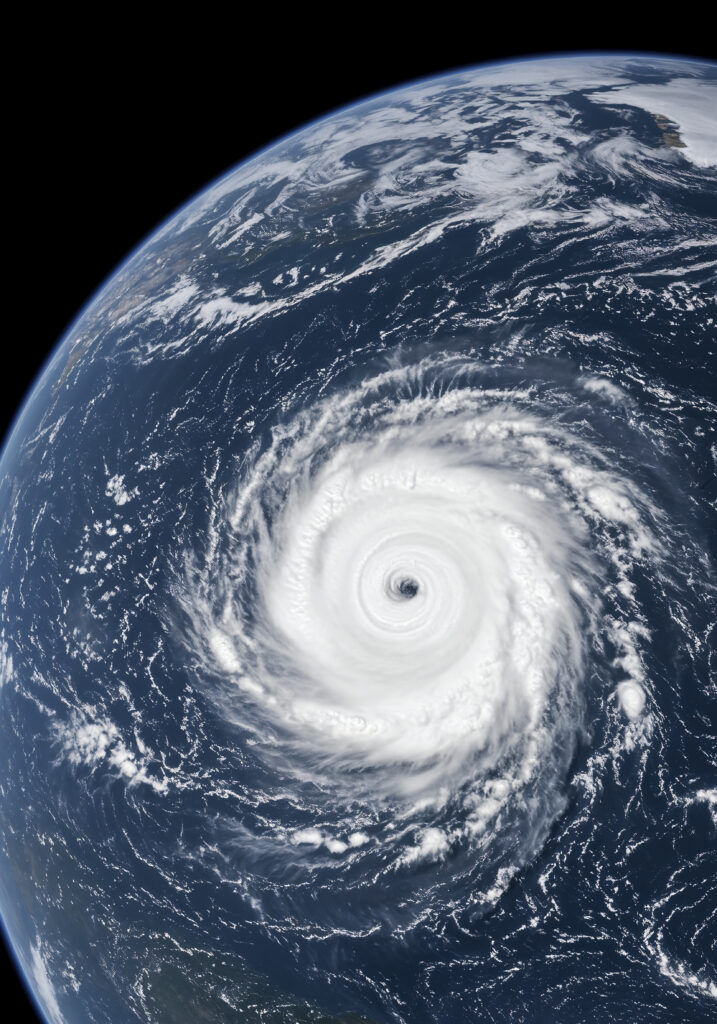
Hurricane Irma caused serious harm to the environment in Fort Lauderdale. Coastal areas faced heavy erosion, which changed the land and beaches. Local wildlife also suffered due to damage from strong winds and flooding.
Storms like this can disrupt ecosystems for years, affecting plants and animals alike.
Erosion of coastal areas
Coastal areas suffered severe erosion from Hurricane Irma. This storm caused strong winds and high waves, leading to the loss of sandy beaches. Homes near the shore are at risk because of this damage.
The ocean water continues to wash away land, increasing vulnerability for homeowners.
Local ecosystems also faced harm due to erosion. Marine life relies on healthy coastal zones for survival. Loss of habitat can disrupt fish populations and affect local fishing industries in South Florida.
Efforts are underway to restore affected areas through better building codes and flood prevention systems. Next, we will look at how infrastructure was impacted by Hurricane Irma.
Damage to local ecosystems
Hurricane Irma caused severe harm to local ecosystems in Fort Lauderdale. The storm surge and high winds destroyed habitats for many plants and animals. Coastal areas suffered from erosion, which further harmed these ecosystems.
Fish populations and nesting sites for birds were affected.
Wetlands also faced damage from flooding and debris. These natural buffers play a critical role in reducing storm impact on properties. Loss of vegetation can lead to less protection against future storms.
Homeowners may notice changes in wildlife around their property as the ecosystem struggles to recover following this major disaster.
Recovery and Rebuilding Efforts
Recovery after Hurricane Irma needs strong building rules. Communities are also working together to build systems that stop floods from causing more damage.
Strengthened building codes
Building codes have changed since Hurricane Irma hit. These new rules aim to make homes safer and more durable. They focus on stronger materials and better designs that can withstand severe weather.
Homeowners now face stricter standards for wind resistance and flood prevention.
These improved building codes help protect against future hurricanes, like Hurricane Harvey or Hurricane Andrew. Investing in updated construction methods can save money on repairs later.
Residents of South Florida should consider these changes when building or renovating their homes to ensure they meet the latest safety requirements.
Investments in flood prevention systems
Investments in flood prevention systems can protect homes from future storms. These systems include levees, flood walls, and drainage improvements. They help keep rising waters away from neighborhoods during heavy rain or storm surges.
Homeowners who invest in these systems may see lower insurance costs over time.
Cities are also focusing on building stronger structures due to changing weather patterns linked to climate change. Upgrading local infrastructure makes communities more resilient against hurricanes like Irma.
These efforts benefit everyone by reducing the risk of severe water damage and boosting property values in South Florida.
Community resilience initiatives
Community resilience initiatives focus on helping neighborhoods recover and grow stronger after disasters. Programs offer training for local teams, like the Community Emergency Response Team, to prepare for future storms.
Efforts also include improving building codes to ensure homes can better withstand hurricane winds and storm surge.
Support from organizations like FEMA aids in funding these initiatives. Fort Lauderdale seeks to invest in flood prevention systems. These actions aim to protect both residential and commercial properties from the long-term effects of climate change.
Investing in community safety helps boost mental health as residents feel more secure during the Atlantic hurricane season.
Housing Market Changes
After Hurricane Irma, the housing market changed in Fort Lauderdale. Property values went up and down due to damage. Many buyers now want homes that can resist storms better. This rise in demand shows how much people care about safety during storm season.
To learn more about these shifts, keep reading!
Fluctuations in property values
Hurricane Irma caused major changes in property values across Fort Lauderdale. Homeowners felt the impacts deeply as the market adjusted.
- Property values dropped after Hurricane Irma struck. Many homes suffered storm damage, which lowered their worth.
- Some areas saw prices rise due to demand for storm-resistant homes. Buyers prefer homes that can withstand future storms.
- Insurance rates increased following the hurricane. Higher costs make owning property more expensive for many homeowners.
- The economic impact also influenced property transactions. Business closures led to a decrease in job availability and affected housing demand.
- Federal programs, like those from FEMA, offered assistance but were not enough for everyone. This lack of support slowed recovery and hurt home values.
- Investors began looking at properties with potential for growth. They target areas where rebuilding efforts are strong or new building codes are enforced.
- Neighborhoods that improved their infrastructure saw higher home values. Stronger roads and greater flood protection attract buyers who want safety and stability.
Homeowners need to stay informed about these fluctuations. Understanding the market can help them make smart decisions about their properties.
Increased demand for storm-resistant homes
Homeowners look for ways to protect their properties. The devastation from Hurricane Irma increased interest in storm-resistant homes across South Florida. Many people now see the value of stronger buildings.
They want homes that can withstand category 5 hurricanes and severe storms.
Building codes have changed since the hurricane hit. New rules aim to keep houses safe from wind damage and flood damage. These changes drive up demand for homes that meet higher standards.
Buyers are eager to invest in properties designed with safety in mind, especially as climate change brings more extreme weather events like heavy storms and flooding.
Conclusion
Hurricane Irma left a lasting mark on Fort Lauderdale. Many homes and businesses faced damage that took years to fix. The housing market changed due to storm concerns, pushing some buyers to consider stronger homes.
Local leaders are now focused on improving building regulations and flood defenses. These efforts aim to help the community recover and prepare for future storms.
FAQs
1. How did Hurricane Irma affect Fort Lauderdale properties over the long term?
Hurricane Irma, a category 5 storm, caused wind damage and flood damage in Fort Lauderdale. Many homes needed repairs to roofs and walls. Storm surge from the Atlantic hurricane season raised water levels, which led to more property loss.
2. Did building codes change after Hurricane Irma?
Yes, local officials updated building codes after Hurricane Irma’s devastation. New rules aim to protect against future tropical cyclones and hurricanes like Andrew or Michael by making structures stronger.
3. What was the economic impact on property transactions in South Florida?
Property transactions slowed due to uncertainty around pricing and risk management. The National Association of Realtors® reported fewer sales for months following the storm as buyers worried about power outages, affordable housing, and insurance costs.
4. How did federal agencies help with recovery efforts?
The Federal Emergency Management Agency (FEMA) provided aid for repairs and rebuilding damaged homes; they also offered guidance on hurricane preparedness with support from groups such as FHA and Florida Power & Light.
5. Has climate change made hurricanes like Irma worse for Fort Lauderdale real estate?
Climate change has led to warmer oceans that fuel stronger storms during each Atlantic hurricane season; this raises risks of future events similar to Hurricane Katrina or recent typhoons in other regions.
6. What are some lasting health effects linked to major hurricanes like Hurricane Irma?
Major storms can harm both physical health through injuries or mold exposure and behavioral health due to stress from displacement; social determinants of health often worsen when access to care is limited during disasters such as those seen after Hurricane Erin or Helene in 2024.