

Filing an insurance claim after property damage can feel confusing and stressful. Many homeowners and property owners do not get fair compensation from their insurance company because repair costs are often disputed.
This blog explains how a professional appraiser helps you understand the appraisal process, improves your property valuation, and boosts your chance for a better insurance settlement.
Read on to learn simple tips that could save you time and money.
Key Takeaways
- Property damage appraisers are independent experts. They check your home’s damage after events like storms, floods, or fire. They use real data and reports to give an honest value for repairs. This helps you get fair pay from your insurance company.
- The appraisal process is fast and helps solve disputes over repair costs or how much was lost. Both you and the insurer pick appraisers, and a neutral umpire can decide if there is no agreement. Their decision is binding and often quicker than going to court (Tom Humphrey, 20 years in appraisal).
- Appraisers look for hidden damages that can make claims higher—like mold after water leaks or damage inside walls. They check both before- and after-loss value of your home to make sure nothing is missed.
- Having a professional appraiser can save you time and lower legal costs in claims. Appraisers support you with clear evidence that builds a stronger case for full compensation.
- Homeowners should provide good records—photos, receipts, and contractor reports—to help the appraiser’s work go smoothly. Clear communication with the appraiser can lead to a better insurance settlement.
Understanding the Role of Property Damage Appraisers
After understanding the basics in the introduction, you now need to know who helps figure out how much your property damage is really worth. Property damage appraisers give an honest opinion on repair costs and replacement values after events like storms, floods, or fires.
Unlike insurance company adjusters who work for insurers, independent appraisers look out for fair compensation for policyholders.
These professionals check details such as damaged roofs, broken windows, or water-logged floors. They use reports from contractors and engineers to do a thorough damage assessment.
Appraisers can resolve insurance claim disputes over amount of loss by using their knowledge of home insurance policies and actual cash value (ACV) calculations. Their work supports strong evidence collection so homeowners and business owners get a better chance at a fair settlement during the claims process.
The Appraisal Process in Insurance Claims
The appraisal process helps settle disputes over the value of property damage. An independent appraiser and a neutral umpire work together to reach a fair decision for both parties involved.
Invoking the appraisal clause
Most property insurance policies include an appraisal clause. This part of the insurance policy lets policyholders or the insurance company ask for an independent appraiser if they disagree about the amount of loss or repair costs.
To use this process, one side sends a written request to start the appraisal process. Each party then chooses an independent appraiser, and both appraisers pick a neutral umpire if they cannot agree on the property value.
Appraisal helps resolve insurance claim disputes over actual cash value or replacement cost without going to court. The final decision made by the panel is binding for both sides and can speed up settlement.
This method often saves homeowners, businesses, or contractors time, legal expenses, and stress compared to lawsuits. It also makes sure both parties get a fair review of damage assessment using professional appraisers and unbiased methods for property valuation.
Resolving valuation disputes
Valuation disputes often happen during the insurance claims process. The policyholder and the insurance company may not agree on the amount of loss or repair costs. To solve this, many insurance policies include an appraisal clause.
Both sides choose their own independent appraiser who reviews the damage assessment and contractor estimates.
These two appraisers try to reach a fair property valuation based on real data, like actual cash value or replacement cost figures. If they cannot agree, a neutral umpire steps in to make a binding decision.
This process avoids long legal action while helping both parties get closer to fair compensation for property damage.
An appraisal is often quicker and less expensive than going to court, says Tom Humphrey, professional appraiser with 20 years’ experience in dispute resolution.
How Appraisers Determine Property Value
Appraisers find the value of your property by looking at its condition before and after damage. They also check for hidden problems that may not be easy to see right away.
Assessing pre-loss and post-loss value
Assessing pre-loss and post-loss value is key in property damage claims. This process helps determine the actual cash value of your property before and after the damage. A professional appraiser looks at repair costs, market trends, and similar properties to find accurate amounts.
Understanding this valuation can help you get fair compensation from insurance companies. Hidden damages often affect post-loss assessments too. Identifying these issues may increase the total loss amount.
By hiring an independent appraiser, you ensure a strong case for your insurance claim dispute.
Identifying hidden damages
Hidden damages can be tricky. They may not show up right away after an event like a hurricane or flood. Property damage appraisers know how to spot these issues. They look behind walls, under floors, and even in your attic.
Sometimes, the eye cannot see what is really wrong.
Appraisers assess both pre-loss and post-loss value of a property. This means they evaluate the state of your home before and after damages occur. Some hidden issues could lead to higher repair costs if not identified early on.
For example, mold can develop in wet areas that aren’t visible right away. Appraisers help ensure you get fair compensation for all damages by identifying these risks upfront.
Benefits of Hiring a Property Damage Appraiser
Hiring a property damage appraiser can help you get the money you deserve. They ensure a fair assessment of your loss, saving you time and legal costs in the claims process.
Ensuring fair compensation
Fair compensation is key after property damage. An appraiser helps you find the true value of your loss. They assess both the actual cash value (ACV) and replacement costs. Using their skills, they identify hidden damages that others might miss.
An independent appraiser offers a fresh look at your claim. They provide a binding decision on the amount of loss to help resolve disputes with your insurance company. This can save time and legal expenses, making sure you get what you’re owed from your insurance settlement.
Saving time and legal expenses
Hiring a property damage appraiser can save you time and money. This expert handles the details of your insurance claim. They understand the appraisal process well. Their knowledge keeps you from expensive legal fights with the insurance company.
By resolving disputes quickly, they ensure fair compensation without needing a lawyer.
Appraisers know how to assess property value accurately. They help identify hidden damages that could increase repair costs. Having an independent appraiser on your side also speeds up negotiations with claims adjusters.
Moving forward, it’s important to understand the differences between public adjusters and insurance adjusters to make informed choices about your claim process.
Public Adjuster vs. Insurance Adjuster: Understanding the Differences
Public adjusters and insurance adjusters both evaluate property insurance claims, but their roles and loyalties differ. This table highlights how each serves homeowners, commercial property owners, and contractors working through damage claims.
| Aspect | Public Adjuster | Insurance Adjuster |
| Who They Represent | Works for the policyholder (homeowner, business, or contractor) | Works for the insurance company |
| Goal | Get the best possible payout for your claim | Settle the claim with the least cost to the insurer |
| Payment | Paid by the policyholder, usually a percentage of the settlement | Paid by the insurance company; salary or contract |
| License Required? | Must hold a state license; trained for damage assessment and policy interpretation | Must hold a license in most states; trained by the insurer |
| Claim Focus | Examines all damages, including hidden issues (like water damage from hurricanes) | May focus on visible damages, may overlook hidden problems |
| Communication | Handles all claim negotiations directly with the insurer for you | Represents the insurer’s interests in claim discussions |
| Common Use Cases | Large loss claims; hurricane, wind, or water damage; mold disputes | Handles every claim filed with the insurer, from small leaks to big storm losses |
| Typical Processes | Prepares detailed documentation; works with appraisers; maximizes settlement under your policy | Inspects property; calculates costs using company tools and guidelines |
| Advantages | Helps ensure a fair settlement for complex or high-value claims; saves time | Quick response; direct access to policy information |
Strategies for Working with an Appraiser
When working with an appraiser, provide clear and correct documents about your property. Good communication helps both of you understand the damage better. Keep a record of all discussions to avoid confusion later.
Your cooperation adds value to the appraisal process. To learn more tips for effective collaboration, keep reading!
Providing accurate documentation
Accurate documentation is key in insurance claims. It helps to support your case and shows the amount of loss. Start by collecting all relevant papers, like repair costs and contractor estimates.
Include photos of the damage too. These documents help appraisers during the appraisal process.
Clear communication with your appraiser is vital. Share any findings from forensic engineers or public adjusters you hired for extra insight. An independent appraiser can provide unbiased property valuations that strengthen your claim.
By providing accurate documentation, you increase your chances of getting fair compensation from your insurance company.
Communicating effectively during the process
Clear communication is key during the process. Share all relevant details with your appraiser and insurance adjuster. Provide accurate documentation of damages and repair costs. Discuss your concerns openly to avoid misunderstandings later.
Stay informed about the appraisal process and your rights as a policyholder. Regular updates help keep everyone on the same page, reducing confusion during disputes regarding property valuation.
Good communication skills can lead to better outcomes in claims processes and ensure fair compensation for damage assessments.
Next, we will explore how appraisers determine property value effectively.
Homeowners Insurance Coverage Insights
Homeowners insurance can cover damage from hurricanes, flooding, and wind. It may also protect your personal belongings. Knowing your policy’s details is key to getting the help you need after a loss.
Want to learn more about what’s covered? Keep reading!
Does Homeowners Insurance Cover Hurricane Damage?
Homeowners insurance may cover hurricane damage, but this can vary by policy. Each insurance company sets its own rules. Some homeowners’ policies include coverage for wind damage caused by hurricanes.
Others might not cover certain types of water damage, like flooding from the storm.
Before filing a claim, review your insurance policy carefully. Look at the specific terms and conditions regarding hurricane-related damages. This helps you understand what is covered and can affect your claims process later on.
Understanding these details is key for homeowners or property owners facing potential losses from storms, so be sure to check your coverage options closely before disaster strikes.
Understanding Your Homeowners Insurance Declaration Page
The homeowners insurance declaration page is a key document. It gives you essential details about your coverage. This page shows the types of protection included in your policy and their limits.
You’ll find information such as the actual cash value, replacement costs, and premium amounts.
Reading this page helps clarify what your insurance covers. It can detail coverage for property damage from various events like fire or storm damage. Knowing these terms ensures you understand how claims work and what to expect during the claims process.
If you have questions, it’s wise to talk with an independent appraiser or a public adjuster for better insights into your policy terms.
Does Homeowners Insurance Cover Flooding from a Hurricane?
Homeowners insurance usually does not cover flooding from a hurricane. Most policies do not include flood damage. This means you may need separate flood insurance to protect your property from water damage during storms.
Flood insurance covers the costs for repairing damages caused by flooding. It is important to review your insurance policy terms carefully. Always check if you have coverage for such natural disasters, as many homeowners are surprised by what their policies leave out.
Does Homeowners Insurance Cover Personal Property?
Homeowners insurance generally covers personal property. This includes items inside your home, such as furniture and electronics. If these items are damaged or stolen, your policy can help pay for the loss.
The amount covered often depends on the type of coverage you have: actual cash value (ACV) or replacement cost.
Actual cash value pays what your item was worth at the time of loss minus depreciation. Replacement cost covers what it would cost to buy a new item without deducting for age or wear.
It is crucial to understand your insurance policy terms and know which type you have. Always keep an inventory of your belongings to support any future claims you may need to file.
Wind Damage and Insurance: Does Your Policy Cover It?
The topic of personal property coverage leads us to wind damage. Wind damage may or may not be covered by your homeowners insurance. Policies vary widely in their terms.
Check your policy for “windstorm” or “hurricane” coverage. Some plans cover repair costs from wind-related incidents, while others do not. Understanding your insurance policy is key to knowing what you can claim.
If wind damage affects your home, document it carefully and file an insurance claim quickly. Getting help from a professional appraiser can also ensure fair compensation when dealing with these claims.
Is Water Damage Mold Dangerous? Here’s What You Should Know
Water damage can lead to mold growth. Mold can be harmful to your health. It may cause allergies, respiratory issues, and other health problems. Homes or buildings with water damage are at higher risk for mold.
If you have a leak or flooding, act quickly to fix it. Remove wet materials like carpets and drywall as soon as possible. This helps stop mold from growing in hidden places. Always approach this issue carefully; consult experts if needed for proper damage assessment and repair costs.
Protect yourself and others from the risks of mold exposure while dealing with insurance claims related to the damage.
Tips for Maximizing Your Insurance Claim
Maximizing your insurance claim starts with having all the right documents. Keep records of repair costs and contractor estimates to support your case.
Hurricane Insurance Claims Process: Tips to Maximize Your Payout
Hurricane damage can be severe. Knowing how to file a claim can help you get the most from your insurance.
- Document all damage right away. Take clear photos of everything affected by the hurricane. Make notes about what was damaged or lost.
- Review your insurance policy carefully. Understand the terms, limits, and coverage for hurricane damage. Knowing these details can help during the claims process.
- Keep receipts for any repairs or temporary fixes. These documents show proof of expenses related to damage control.
- Report your claim as soon as possible. Notify your insurance company quickly to start the claims process. Delays might hurt your payout.
- Use an independent appraiser for value assessment if needed. An appraiser can provide a fair evaluation of losses and help resolve disputes with your insurance company.
- Communicate clearly with your insurance adjuster. Answer questions promptly and provide requested information on time to avoid delays in processing your claim.
- Stay organized throughout the claims process. Create a folder for all documentation related to your claim including emails, letters, and phone records.
- Be aware of timelines in your policy for submitting claims and making repairs; missing deadlines may impact compensation amounts.
- Avoid common mistakes such as not having enough documentation or waiting too long to file a claim; both could reduce potential payouts significantly.
- Consult a policyholder attorney if facing issues with claim disputes; they have expertise in dealing with complex situations in the insurance industry.
These tips will guide you through maximizing payouts on hurricane-related damages while ensuring fair compensation from your insurance settlement process. Next, learn essential strategies for protecting yourself and home ahead of hurricane season: Essential Tips to Protect Your Home and Family
Common Mistakes When Filing a Claim and How to Avoid Them
Filing an insurance claim can be tricky. Many homeowners, commercial property owners, and contractors make mistakes that can hurt their claims. Here are common pitfalls to watch for:
- Not documenting the damage thoroughly leads to gaps in information. Take clear photos and videos of all damages to support your insurance claim.
- Failing to report the damage quickly can slow down your process. Most policies require prompt notification to avoid delays in receiving compensation.
- Underestimating repair costs can lead to short payouts. Get contractor estimates early on; they provide a clearer picture of what repairs will cost.
- Overlooking policy terms creates misunderstandings later on. Read your insurance policy carefully and know what is covered and what is not.
- Missing deadlines for filing or appealing claims can block fair settlements. Write down all important dates related to your claims process.
- Relying solely on the insurance company’s adjuster often limits your options for fair compensation. Hiring a professional appraiser gives you an independent viewpoint on property valuation.
- Not keeping communication records with your insurance company can lead to confusion later on. Document every conversation, including dates, times, and names of representatives you speak with.
- Ignoring hidden damages might reduce your total amount of loss claim significantly. Hire an appraiser who identifies these issues, ensuring a thorough damage assessment.
- Getting emotional about the situation may cloud judgment during negotiations. Stay calm and focused while discussing settlement amounts with the insurance company.
- Accepting the first settlement offer without negotiation usually results in less money than needed for repairs or replacements. Understand replacement costs and be prepared to counter offers based on solid facts.
Avoid these common errors for a smoother experience with your claims process, leading to fairer settlements from your insurer.
Preparing for Hurricane Season: Essential Tips to Protect Your Home and Family
Hurricane season can bring strong storms and damages. Protect your home and family by making a solid plan now.
The Best Hurricane Prevention Strategies
Homeowners must take steps to protect their properties from hurricanes. Effective prevention can save time, money, and stress.
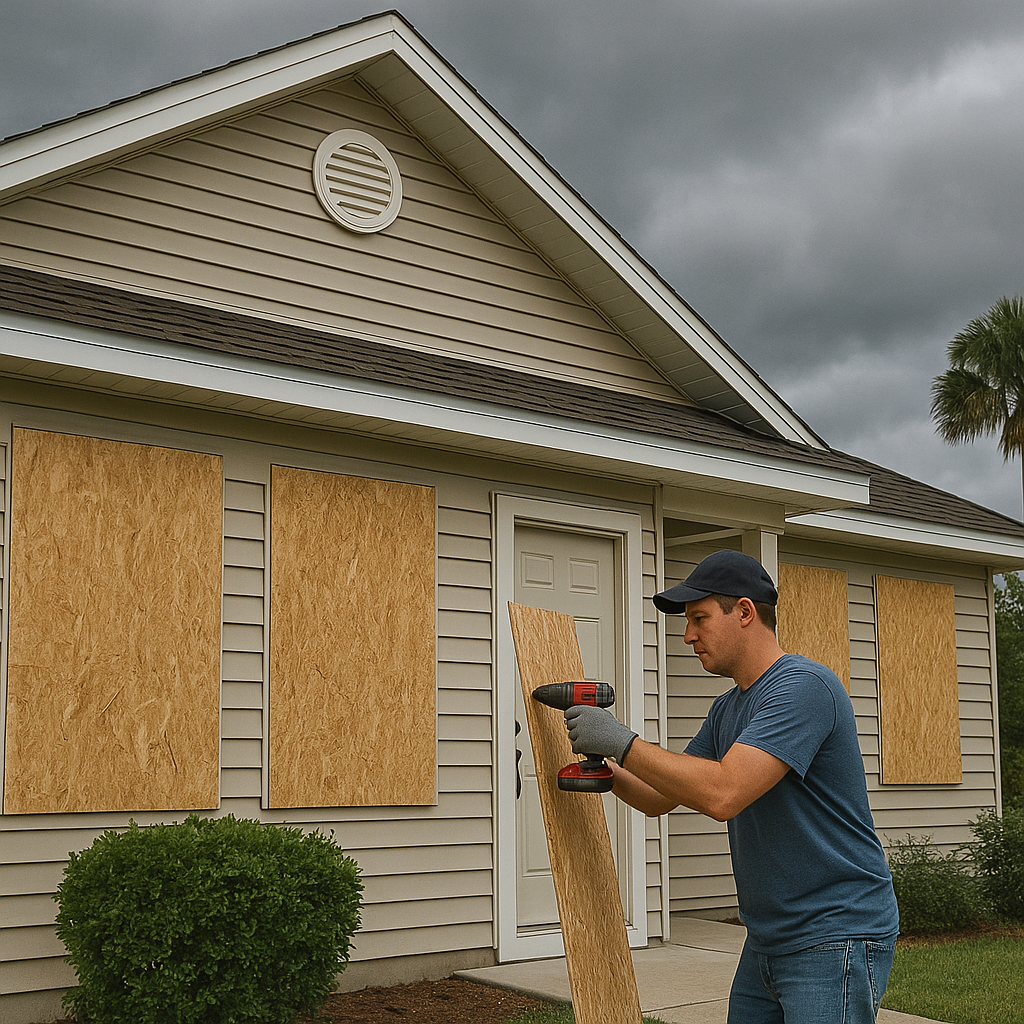
- Secure windows and doors. Use storm shutters or plywood to shield glass areas. This helps prevent damage from flying debris during a storm.
- Trim trees and shrubs. Remove weak branches that could fall on your house. Healthy trees are less likely to cause damage.
- Check your roof regularly. Inspect for loose shingles or leaks. A solid roof protects your home from rain and wind.
- Clean gutters and drains. Clogged gutters can cause water buildup around your home. Clear gutters help direct water away, preventing flooding.
- Elevate electrical systems. Raise outlets and switches above potential flood levels. This minimizes the risk of electrical damage during heavy rains.
- Obtain an emergency supply kit. Include food, water, first-aid supplies, and important documents in it. Being prepared ensures you have what you need during power outages or evacuations.
- Create a family communication plan. Decide how you will stay in touch during a hurricane situation; choose meeting spots if separated.
- Review your insurance policy terms carefully with a professional appraiser or public adjuster; ensure coverage for hurricane damage is adequate.
- Install a backup generator if possible; this provides power when outages occur due to storms; it secures essential systems like refrigeration or medical devices.
- Stay informed about hurricane forecasts through local news or weather apps; knowing what’s coming helps with timely preparations.
Taking these steps will enhance your safety and reduce potential property damage during hurricane season while also easing the claims process if disaster strikes.
Creating a Hurricane Emergency Plan
Creating a hurricane emergency plan is key for safety. A strong plan can protect your home and family during storms.
- Gather important documents, such as your insurance policy, property deeds, and personal identification. Keep these in a waterproof container for easy access.
- Make a list of emergency contacts, including family members and local services. Share this list with all household members.
- Create an evacuation plan for different scenarios. Know where to go if you need to leave your home quickly.
- Prepare an emergency kit with essentials like water, non-perishable food, flashlights, batteries, medications, and first aid supplies.
- Ensure your home is secure by checking windows and doors for damage. Have materials ready to board up windows if needed.
- Develop a communication plan with your family in case of separation during the storm. Use text messages or social media to stay connected when phone lines are busy.
- Review your homeowner’s insurance policy to understand coverage limits on hurricane damage. Knowing what is covered helps you file claims without confusion.
- Check local weather forecasts regularly during hurricane season for updates on storm paths and severity.
- Consider purchasing flood insurance if it’s not part of your current policy. Many homeowners’ insurance plans do not cover flooding from hurricanes.
- Practice the emergency plan with all household members well before hurricane season starts. Regular drills will ensure everyone knows their role when a real storm hits.
Taking time now can save lives later. Plan carefully to ensure safe outcomes during a hurricane event.
Essential Items for a Hurricane Preparedness Kit
After creating a hurricane emergency plan, you should gather essential items for your hurricane preparedness kit. This kit will help keep you safe and ready during a storm.
- Water: Store at least one gallon per person per day. Plan for at least three days of drinking water.
- Non-perishable food: Stock up on canned goods, dried fruits, and granola bars. Choose foods that require no cooking or refrigeration.
- Flashlight: A reliable flashlight is important for power outages. Keep extra batteries in your kit.
- First aid kit: Have band-aids, antiseptics, and pain relievers ready. A well-stocked first aid kit can help with minor injuries.
- Battery-operated radio: This will keep you updated on weather alerts and evacuation orders. Make sure to have batteries available as well.
- Whistle: Use it to signal for help if needed during an emergency. It takes less effort to blow a whistle than to yell.
- Multi-tool or knife: These tools can assist in various situations, from opening cans to making repairs around the house.
- Personal documents: Keep copies of insurance policies, identification cards, and important contacts in a waterproof bag.
- Medication: Stock up on prescription drugs as well as any over-the-counter medicines you may need regularly.
- Cash: Get small bills that can be used easily if ATMs are not working after the storm hits.
- Blankets or sleeping bags: These will provide warmth if you lose power or need to evacuate quickly.
- Pet supplies: If you have pets, pack food, water bowls, leashes, and carriers for their safety too.
- Local maps: Maps can help navigate when roads are blocked or without power; ensure they are accessible during emergencies.
- Clothing and sturdy shoes: Pack enough clothes for several days along with comfortable footwear suitable for walking long distances if necessary.
- Chargers for electronic devices: A portable charger can keep your phone working; this helps stay connected with others during outages.
Keep all these items stored in a durable container that is easy to carry if you need to leave home quickly due to hurricane damage or evacuation orders from your insurance company.
Conclusion
Property damage appraisers play a vital role in helping you get fair compensation from your insurance company. They assess the value of your property and find hidden damages that might not be obvious.
By using their skills, they can resolve disputes with your insurer quickly and effectively. This means less stress for you during the claims process. Trusting an independent appraiser can lead to better outcomes when dealing with complex insurance claims.
FAQs
1. What does a property damage appraiser do during the appraisal process?
A property damage appraiser inspects property damage and reviews repair costs. The appraiser also checks contractor estimates and helps determine the actual cash value or replacement cost. This helps set the amount of loss for your insurance claim.
2. How does an independent appraiser help with insurance claim disputes?
An independent appraiser acts as a neutral party. They review damage assessment reports and property valuation. Their findings support fair compensation and help solve insurance claim disputes between you and your insurance company.
3. What is a binding decision in the claims process?
A binding decision happens when both parties agree to accept what the neutral umpire or appraiser decides. This step is part of dispute resolution and guarantees that everyone follows the outcome for the insurance settlement.
4. Why should I use a professional appraiser instead of only relying on my insurer’s adjuster?
A professional appraiser works for you, not just the insurer. They research repair costs, review your insurance policy terms, and check replacement costs. This helps you get fair compensation during the claims process.
5. How do appraisers work with other experts like public adjusters or policyholder attorneys?
Appraisers may work with public adjusters, policyholder attorneys, or even mediators. Together, they review heavy equipment damage, property valuation, and contractor estimates. This team approach strengthens your claim for a fair settlement.
6. What skills do property damage appraisers need for effective communication?
Appraisers need strong communication skills. They must explain appraisal results, discuss repair costs, and work with insurers, policyholders, and other negotiators. Clear communication helps speed up dispute resolution and supports a fair settlement.