

It’s normal to worry when a tornado warning pops up on your phone in Fort Lauderdale. Many people have felt that same fear, knowing tornadoes can come out of nowhere with flying debris, strong winds, and loud emergency alerts.
This guide will help you stay safe, using advice from the National Weather Service, NOAA weather radio updates, and clear emergency planning checklists. Stick with us to find out what we can all do before and after severe weather hits.
Key Takeaways
- Tornadoes in Fort Lauderdale can cause sudden damage from flying debris, strong winds, and downed power lines. Even weak tornadoes may rip off roofs or shatter windows (National Weather Service).
- Most injuries happen when objects become projectiles during storms. Local authorities urge checking emergency plans before spring and summer, when tornado risk is highest.
- Stay safe by listening to NOAA weather radio for alerts. Move to a small room on the lowest level, away from windows, and keep emergency supplies ready.
- After a tornado passes, check for injuries in your home. Watch out for gas leaks or downed lines. Wear sturdy shoes and avoid unsafe buildings.
- Take pictures of damage only if it is safe. Only use phones for emergencies to keep networks clear for rescue teams (American Red Cross).
Understanding Damage Risks of Tornadoes in Fort Lauderdale
Tornadoes can hit Fort Lauderdale with little warning. Our homes may face threats from flying debris, falling trees, and strong winds. Even a weak tornado on the Fujita scale can tear off roofs or shatter windows.
Stronger twisters may destroy entire houses. The National Weather Service (NWS) says most injuries happen when objects become dangerous projectiles.
Our area often deals with severe weather like thunderstorms and hurricanes. These storms increase the chance of tornadoes, especially during spring and summer months. We must also worry about gas leaks, fires from downed power lines, and hazardous materials after a storm passes.
Local authorities and emergency management organizations urge us to check our emergency plans before tornado season arrives.
We should focus next on how to stay safe if we receive a tornado warning in our area.
Essential Safety Tips During a Tornado
We all know how scary tornadoes can be. They bring strong winds and flying debris that can damage homes and hurt people. Here are some tips to help us stay safe during a tornado.
- Listen for a tornado warning on a NOAA weather radio. This will tell us when we need to take cover.
- Identify a safe shelter in our home, like a small interior room on the lowest floor, away from windows.
- Keep emergency supplies ready in our safe shelter. These should include water, non-perishable food, a flashlight, batteries, a first aid kit, and important documents.
- Make an emergency plan with our family so everyone knows what to do and where to go during a tornado.
- Stay away from windows and doors when the tornado is close to avoid flying debris.
- If we’re in mobile homes, find a more stable building or storm shelter immediately. Mobile homes are not safe during tornadoes.
- Use heavy blankets or mattresses to protect ourselves from debris if we can’t get to a safer place.
- Turn off all utilities like gas, water, and electricity to prevent fire hazards after the tornado passes.
- After getting to safety, keep listening to local authorities or the National Weather Service (NWS) for updates on the storm’s status.
The next step is knowing what to do immediately after a tornado has passed.https://www.youtube.com/watch?v=IqsUxUg-lBM
What to Do Immediately After a Tornado
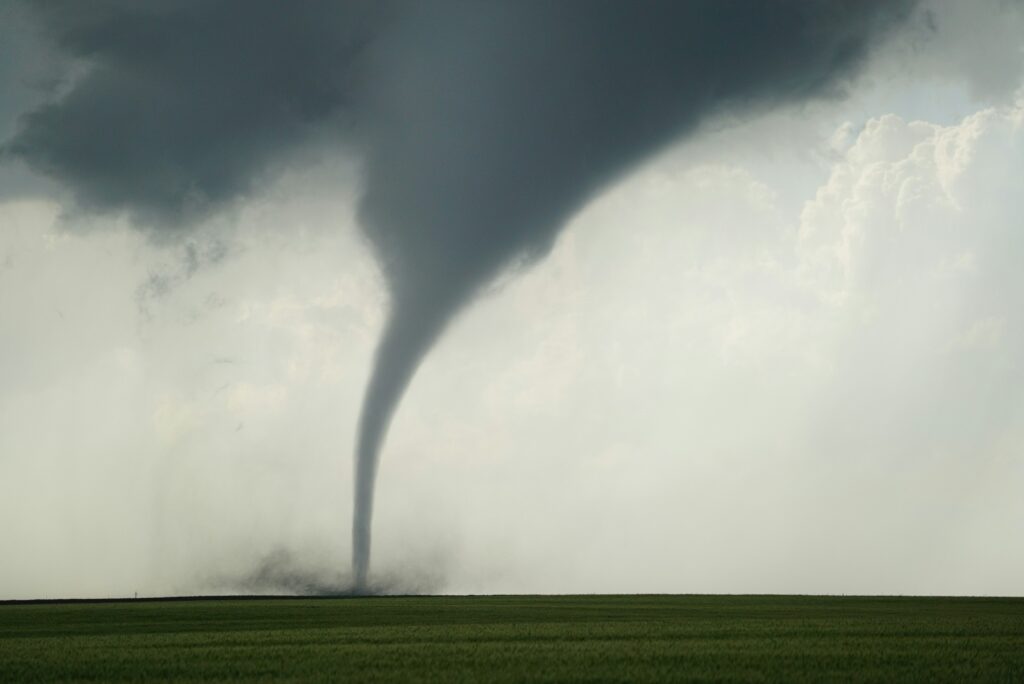
Right after a tornado, we all need to act fast to stay safe. Here’s what we should do:
- Check on everyone in the house. Make sure no one is hurt.
- Stay away from downed power lines and report them to local authorities. They can be very dangerous.
- Listen to a NOAA Weather Radio or local news for emergency information. This helps us know what’s happening.
- If we smell gas, don’t turn on lights or anything electrical. Get out of the house immediately and call the gas company.
- Use our phones only for emergency calls. Networks need to be open for rescue efforts.
- Wear sturdy shoes and clothes that cover our skin when walking through debris. Broken glass and nails can cause injuries.
- Take pictures of the damage for insurance purposes but only if it’s safe to move around.
- If our home is badly damaged, go to a designated public shelter or safe area. The American Red Cross can help find these places.
- Keep an emergency kit handy with food, water, first aid supplies, and other essentials. It’s good to have this ready before a tornado hits.
- Avoid using candles or open flames inside the house in case of gas leaks. Flashlights are safer.
Doing these things quickly helps all of us stay safe after a tornado hits our area.https://www.youtube.com/watch?v=npHAxEef1lA
Conclusion
Tornadoes can cause serious damage. We need to be ready and stay safe during severe weather. By following safety tips, we protect ourselves and our loved ones. After a tornado, checking for gas leaks is crucial.
Let’s work together to prepare and respond effectively when bad weather strikes.
For more tips on safeguarding your home against natural disasters, check out our guide on what to do when your house is flooding.
FAQs
1. What does a tornado warning in Fort Lauderdale mean and how should I respond?
A tornado warning means a tornado has been spotted or is shown by radar. Take shelter right away in a small interior room on the lowest floor, storm cellar, or underground shelter. Listen to emergency information from the National Weather Service and local authorities.
2. How can I prepare for severe weather and tornadoes before they happen?
Create an emergency plan with your family that includes where to go during a tornado watch or severe weather warning. Keep emergency supplies like first aid kits, safe water, flashlights, and battery-powered NOAA weather radios ready.
3. Where is the safest place to stay during a tornado if I do not have access to an underground shelter?
If you cannot use an underground shelter or storm cellar, move to a small interior room without windows on the lowest floor of your home or building. Avoid mobile homes as they are not safe shelters during disasters such as straight line winds and wildfires.
4. What damage risks come with a tornado in Fort Lauderdale?
Tornadoes bring flying debris that can break windows and cause injuries; gas leaks may lead to fires after storms; hazardous substances might spill; floods could follow heavy rain; strong winds also threaten buildings.
5. Who provides official updates about tornado watches and emergencies in Broward County?
The National Weather Service issues official alerts through NOAA weather radio, Emergency Alert System broadcasts, Ready.gov resources, federal emergency management agency notices, local authorities’ messages, relief organizations like American Red Cross reports, fire fighters’ guidance during emergencies.
6. What actions should I take after the storm passes?
Check for gas-leak signs before using lighters or camp stoves inside buildings damaged by storms. Seek medical attention if needed for injuries caused by flying debris or other hazards. Contact emergency response teams for help with evacuations if required; avoid drinking unsafe water until cleared by officials.