

Are you worried about cracks forming in your ceiling at home? Water damage and hidden problems are common risks that can lower your property value. This guide will show you how to spot warning signs, explain why they happen, and share how a public adjuster helps protect your insurance claim.
Keep reading to find out how you can keep your home safe.
Key Takeaways
- Ceiling damage often starts with small signs like hairline cracks, water stains, or sagging areas, which can develop into larger cracks if not addressed. These issues may show hidden water leaks, mold growth, or structural problems.
- Storms, hail, and plumbing leaks are major causes of ceiling damage, often resulting in a type of crack that requires immediate attention. Heavy rain and poor roof conditions can let water inside your home.
- Public adjusters help homeowners by finding both visible and hidden damage, including various types of ceiling cracks. They document these details to strengthen insurance claims for fair payouts.
- Insurance companies may try to deny or lower claims if damages look minor at first glance, especially if they are related to cracks accompanied by hidden moisture damage. A public adjuster acts as your advocate and uses expert inspections to prove the true cost of repairs.
- Prepare your home before hurricane season by checking roofs, cleaning gutters, trimming trees, and sealing windows. Early action helps prevent costly property damage from storms and leaks.
Common Hidden Signs of Ceiling Damage
Ceiling damage can show up in many ways. Look for small cracks or stains that hint at bigger problems.
Hairline cracks and discoloration
Hairline cracks on your ceiling may look harmless, but they can signal hidden damage. Water stains or changes in color often point to water leaks from plumbing or roof damage, which can also indicate a foundation issue. These signs, if ignored, could lead to mold growth and even bigger repair costs later.
If you see discoloration with cracking, moisture may be seeping through your drywall.
Insurance companies might try to deny or reduce insurance claims if the problem seems small at first glance. “Small cracks today can mean big trouble tomorrow,” says many public adjusters.
Public adjusters know how to spot these early signals of property damage and document them for your homeowners insurance claim. Quick action helps protect structural integrity and ensures fair replacement cost coverage under your home insurance policy.
Water stains or peeling paint
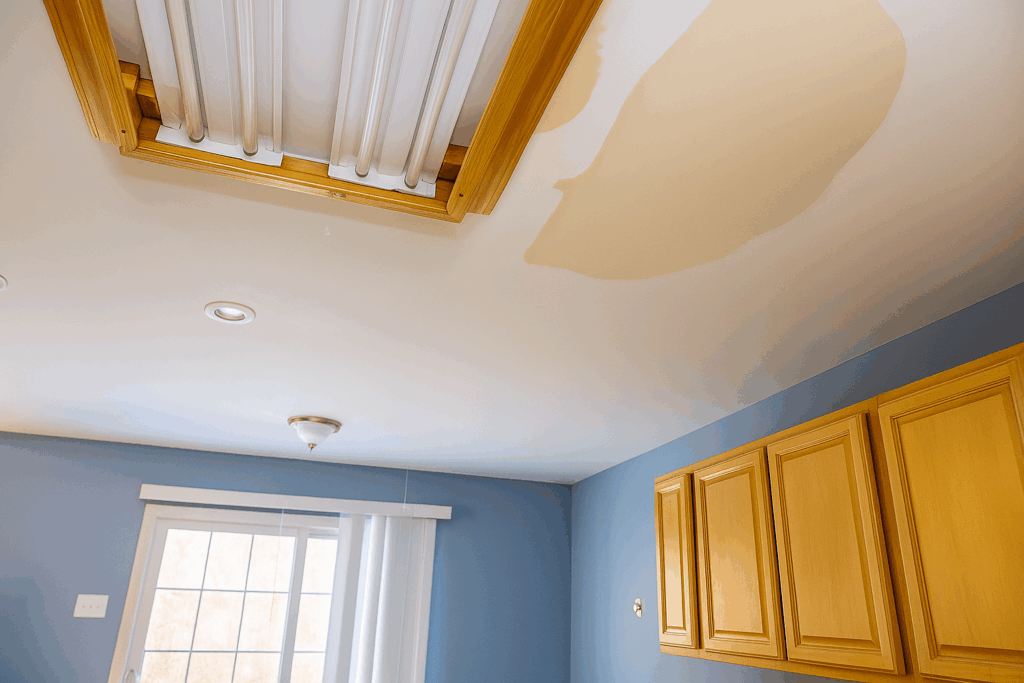
Water stains on a ceiling often show up as yellow, brown, or dark spots. These marks signal water damage from leaks in roofs, plumbing pipes, or high humidity after storms. Peeling paint is another clear sign of hidden damage behind the surface.
Moisture weakens drywall and paint; this leads to cracks in walls and bubbling layers that start flaking off.
Small spots can point to bigger problems like mold growth or structural failure if ignored. Insurance adjusters look for these early warning signs during inspections for property damage claims, such as cracks in ceilings.
Public adjusters help spot water stains linked to covered perils such as roof damage from hailstorms or wind damage after hurricanes. They gather repair estimates so you get fair compensation for your insurance claim, especially if there are serious structural issues like a crack in the ceiling.
Peeling paint and visible stains often mean there could be more unseen issues above your ceiling tiles or sheetrock panels. Sagging ceilings may soon follow if you delay repairs, which ties into spotting uneven surfaces and types of ceiling cracks next.
Sagging or uneven surfaces
Sagging or uneven surfaces on your ceiling often point to hidden structural damage. This may happen after heavy storms, hurricane damage, plumbing leaks, or roof damage. Sometimes water stains and cracks in walls signal a bigger problem inside the ceiling.
If you see parts of the ceiling that dip or look lumpy, moisture has likely weakened the structure.
These issues can threaten structural integrity and lead to costly property restoration if ignored. Insurance companies may try to blame old age or poor maintenance rather than covered perils like wind damage or hail impact.
A public adjuster uses building know-how and inspection tools to show insurers all types of hidden damage for your insurance claim. Early help stops further mold growth and high repair costs later on.
Lingering odors or mold growth
Lingering odors often signal hidden problems in your ceiling. If you smell something musty, it could mean mold growth is present, which is often a sign of foundation problems. Mold thrives in damp areas. Water damage can cause this issue even after the visible signs have disappeared.
Mold affects your home and health, especially if it develops in areas with drywall joints that aren’t properly sealed. It can lead to respiratory issues and allergies. Addressing mold quickly is key to maintaining structural integrity and keeping your family safe from the causes of ceiling cracks.
A public adjuster can help identify the root causes of these smells and document any hidden damage for insurance claims, ensuring you receive fair compensation for repairs needed due to water or mold damage.
Causes of Ceiling Damage
Ceiling damage can happen for several reasons. Storms and hail can hit your roof hard, causing leaks and possibly leading to serious structural issues. Plumbing issues may let water seep into the ceiling, causing drywall joints to weaken and resulting in cracks. Over time, buildings settle, which can also create problems such as cracks accompanied by water stains.
You might not notice these damages right away, so it’s good to know what to look for. To learn more about how you can spot these issues early, keep reading!
Storms and hail impact
Storms and hail can cause serious damage to your home. Strong winds may bring heavy rain, leading to water leaks. Hail can create dents in roofs or break windows, which allows water inside.
This moisture can then lead to hidden damage like mold growth or sagging ceilings.
Hail impacts often leave behind marks that are hard to see at first. Cracks may form as the structure shifts under pressure from strong storms. It is important for homeowners and property managers to inspect their ceilings after bad weather.
Hidden issues might affect your insurance claims if not discovered early on. Inspecting for cracks in walls or wet stains could save you money down the line when filing an insurance claim for storm-related damage.
Plumbing leaks and water intrusion
Plumbing leaks cause water to seep into walls and ceilings. This can lead to serious issues like mold growth and structural damage. Watch for water stains on your ceiling; these are clear signs of a leak.
A small drip can grow over time, causing cracks in the ceiling or sagging in the home’s foundation.
Water intrusion often happens after heavy rains or storms, leading to potential drywall cracks. If the roof is damaged, rainwater may enter the home. It can also happen from poor drainage around the foundation. Homeowners should act quickly if they notice any signs of plumbing leaks or water intrusion, as these can lead to significant drywall cracks.
Addressing these problems early prevents bigger issues later on. The next section will cover how a public adjuster identifies hidden damage in your home.
Structural settling over time
Structural settling happens as a building ages. The ground shifts or compresses under the weight of your home. This can lead to cracks in walls and ceilings. If you notice these signs, it may indicate deeper issues beneath the surface, such as drywall joints that aren’t secure.
Heavy rain, storms, or flooding can worsen structural problems. Water damage from leaks can weaken materials over time. Homeowners insurance often covers some types of structural damage.
Catching these issues early is crucial for maintaining your property’s integrity and safety.
How a Public Adjuster Identifies Hidden Damage
A public adjuster inspects your home carefully. They look for problems you might not see, like small cracks or water damage. They write down all kinds of damage, both visible and hidden.
Their knowledge helps them spot signs that could mean a bigger issue for your insurance claim.
Thorough inspections for overlooked issues
Thorough inspections help find hidden damage in ceilings. Experts look for cracks, water stains, and mold growth. They check every corner of your home to spot problems you might miss.
Public adjusters use their experience to uncover these issues. Their knowledge ensures nothing is overlooked.
Detailed documentation follows the inspection. This helps support your insurance claim later on. It highlights visible and hidden damages like structural weakening or water intrusion caused by roof damage, plumbing leaks, or drywall joints that aren’t intact.
Such reports are vital when dealing with insurance companies.
Documentation of all visible and hidden damage
Inspections help find damage you can’t see right away, including signs of foundation issues. A public adjuster knows how to spot these hidden issues, including various causes of ceiling cracks. They document every sign of damage in your home, both visible and hidden.
This includes cracks in walls or water stains on ceilings, which may indicate plumbing leaks or other causes of ceiling cracks.
Good documentation is vital for your insurance claims process, especially when dealing with types of ceiling cracks. It helps prove the extent of property damage to the insurance company. Public adjusters log everything from mold growth to sagging surfaces.
They can identify signs worth claiming under your homeowners insurance policy and determine if there are any excluded damages as well. Their expertise aims to maximize what you get back from your claim while protecting your interests throughout the process.
Expertise in recognizing insurance claim-worthy signs
Public adjusters know how to spot signs that may qualify for an insurance claim. They look for cracks in walls, water stains, or sagging surfaces that might suggest a foundation problem. These signs can show hidden damage like mold growth or structural issues.
Their training allows them to see details you might miss.
Documenting all visible and hidden damage, including any type of crack in the ceiling, is important. Public adjusters create thorough reports stating the extent of property damage. This helps strengthen your case when filing claims with your insurance company.
They understand what falls under covered perils such as water damage from a plumbing leak or hail damage from storms. By hiring a public adjuster, you increase your chance of getting fair compensation for repairs and maintenance costs related to your ceiling issues.
Benefits of Hiring a Public Adjuster
Hiring a public adjuster can help you get the most money for your insurance claim. They act as your ally against insurance companies and make the claims process easier for you.
Maximizing your insurance claim payout
Maximizing your insurance claim payout starts with understanding your policy. Know what damages it covers, such as water damage or storm-related damage. Take photographs of all visible and hidden damage in your home.
Documenting everything is key to proving your case, including any signs of a crack in the ceiling or types of ceiling cracks.
You should also get a thorough inspection for any hidden issues like wall cracks or ceiling damage, as larger cracks can indicate more serious problems. Repair estimates from professionals can help identify the type of crack that needs attention.. This helps establish the actual cash value for repairs needed after a loss. A public adjuster can assist here, acting as an advocate against insurers, especially when dealing with types of ceiling cracks.
They help ensure you receive the proper amount for your claim, simplifying the process along the way.
Next, understand how to navigate the insurance claims process for ceiling damage effectively.
Acting as your advocate against insurers
A public adjuster acts as your voice when dealing with insurers. They know how to handle insurance claims for ceiling damage, including any plaster issues that arise. Your adjuster understands the ins and outs of homeowners insurance policies, particularly in relation to foundation settlement and the impact of larger cracks.
They can spot signs of foundation issues, which often manifest as ceiling cracks. hidden damage like cracks in walls and water stains that you might overlook, which could indicate a crack in the ceiling.
Public adjusters work to ensure you get a fair payout from your insurance claim. They gather evidence, document damages, and provide repair estimates. This helps show the insurer the true extent of property damage.
With their expertise, they fight for what you deserve while simplifying the claims process for you. Next, let’s look at how to understand the insurance claims process for ceiling damage.
Simplifying the claims process
Public adjusters help make the claims process easier for you. They handle the details, so you can focus on your home and ensure there are no foundation problems. Adjusters know how to deal with insurance companies and understand the implications of foundation problems. They understand how to present your case effectively, especially if there are vertical cracks in your home.
Your public adjuster documents all damage, both seen and hidden. This includes cracks in walls or water stains on the ceiling. They gather evidence and estimates of repair costs, enhancing your claim’s chances of approval.
With their support, filing an insurance claim becomes clearer and more straightforward for homeowners dealing with property damage from storms or leaks.
Understanding the Insurance Claims Process for Ceiling Damage
The insurance claims process for ceiling damage can seem tricky. First, assess the damage on your ceiling. Document everything with photos and notes about any cracks in walls or water stains you find.
This will help support your case later.
Next, contact your insurance company to file a claim. They will assign an adjuster to evaluate the damage. The adjuster’s job is to determine if your issue is covered under your homeowners insurance policy and what repair costs will be reimbursed.
It helps to have a public adjuster on your side during this process, as they know how to maximize payouts for property damage claims. Understanding these steps can make the journey smoother, especially when dealing with serious structural concerns.
Tips for preparing your home for hurricane season may follow next.
Tips for Preparing Your Home for Hurricane Season to Prevent Ceiling Damage
Understanding the insurance claims process for ceiling damage, particularly related to types of ceiling cracks, is crucial. Preparing your home for hurricane season can help prevent further issues, such as plaster damage or ceiling cracks. Here are some tips.
- Inspect your roof regularly. Look for loose or missing shingles. These small problems can lead to more significant roof damage during a storm.
- Clean gutters and downspouts before storms to prevent water intrusion that can lead to drywall cracks. Blocked gutters can cause water to back up, leading to leaks and potential ceiling damage.
- Secure outdoor furniture and objects. Heavy winds can turn these items into projectiles, risking damage to your roof and ceiling.
- Check seals around windows and doors. Gaps allow wind-driven rain to enter your home, causing water damage on ceilings.
- Trim trees near your house. Overhanging branches can fall on the roof, creating holes that lead to leaks during heavy rain or wind.
- Consider installing impact-resistant windows and doors to help protect your home’s foundation from storm damage. They provide extra protection against strong winds and debris during hurricanes, which can exacerbate issues like drywall cracks.
- Reinforce your garage door if you have one. A strong garage door helps keep out wind and rain that could affect ceilings inside the home.
- Ensure proper drainage around your property. Water pooling near your foundation increases the risk of flooding, which harms ceilings over time.
- Store valuable items away from ceilings in case of leaks or water intrusion from storm-related damage.
- Create an emergency plan with a disaster kit ready for quick access if needed; this helps you stay safe while protecting your home from structural damage during a storm.
Ceiling Water Leak: Signs, Causes, and When to Call a Public Adjuster
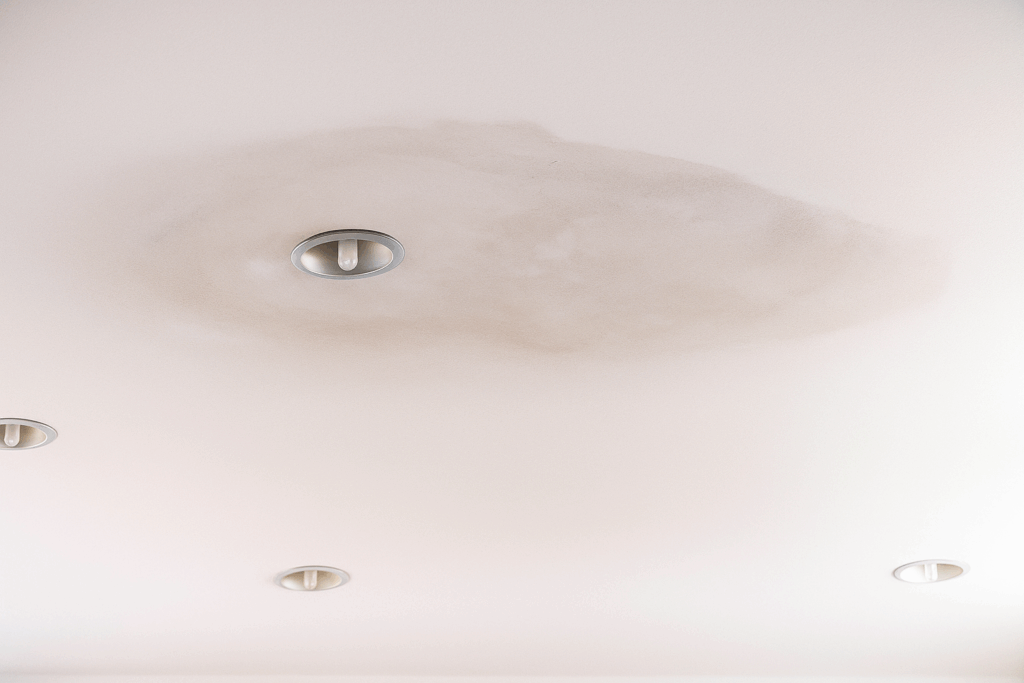
Ceiling water leaks can lead to serious issues. Look for signs like water stains on the ceiling or walls. Check for peeling paint and sagging spots too. These changes often mean there is moisture present, which can cause ceiling cracks.
Mold growth may also appear, which can harm your health.
Several causes exist for these leaks. Storm-related damage from heavy rain or hail can break roofs and let water in. Plumbing leaks are another common reason; a burst pipe can lead to significant issues overhead, including drywall cracks.
If you notice any warning signs, consider calling a public adjuster right away. They help identify hidden damage and assist with insurance claims for property damage caused by leaks or storms.
Conclusion
Hidden ceiling damage can sneak up on you, often manifesting as a crack in the ceiling. Cracks, stains, and sagging surfaces are signs you should not ignore, as they can indicate larger cracks or serious structural issues. A public adjuster helps protect your interests when damage occurs. They find these issues and document them for your insurance claim, especially if cracks are often overlooked.
You deserve fair treatment from insurers. Make sure to get the help you need to restore your home properly, especially if there are signs of drywall tape failure.
FAQs
1. What hidden damage signs should I look for in my ceiling after a storm or fire?
Look for water stains, cracks in walls, mold growth, and sagging areas. These can signal roof damage, smoke damage, or structural damage from covered perils like hurricane damage or fire.
2. How does a public adjuster help with insurance claims for property damage?
A public adjuster reviews your homeowners insurance policy and helps file the insurance claim. They gather repair estimates and inspect for hidden issues like foundation repair needs or basement waterproofing problems.
3. Can my homeinsurance cover all types of ceiling and property restoration costs?
Homeowners insurance may cover some but not all causes of property damage. Insurance exclusions often apply to flood insurance, earthquake insurance, land subsidence, or soil liquefaction unless you have separate policies.
4. Why is it important to check load-bearing walls after hail or wind-related events?
Load-bearing walls support structural integrity; hail damage or wind damage can weaken them without clear signs at first glance. This could lead to costly repairs if not addressed quickly.
5. What role do public adjusters play compared to company-appointed insurance adjusters?
Public adjusters work only for policyholders while company-appointed adjusters represent the insurer’s interests during appraisal and claim review; this gives you an advocate focused on maximizing your actual cash value (ACV) payout.
6. How do I know if preventive maintenance affects my future premiums or coverage eligibility?
Preventive maintenance such as regular surveillance checks on asphalt shingles and groundwater control may reduce risk of property loss over time; insurers sometimes reward these actions with lower premiums under certain warranty terms within your homeinsurance policy.