

Document the Smoke Damage
When we spot smoke damage, we should take clear photos and videos of all affected areas. This helps us keep a record. We can also make a list of damaged items to show the insurance company.
These steps are key for our claim process. If you want to learn more about how to file your claim, keep reading!
Take photos and videos of all affected areas
We start by using our smartphones or cameras to capture clear photos and videos of all smoke damage. This means we cover the entire property, including rooms, closets, attics, basements, HVAC systems, walls with soot stains, ceilings with discoloration, and even personal items like clothes or electronics.
We focus on areas that show water damage from sprinklers or firefighting efforts as well.
It helps us record hidden damage behind furniture or inside vents. We date-stamp each image if possible; this proves the timing for our insurance claim. By creating a digital folder for everything connected to property damage after fire or smoke events, we make it easier for insurance companies and adjusters to process our claims faster and more accurately.
Create a detailed inventory of damaged items
We list every item touched by smoke damage. This means clothes, furniture, electronics, and even small kitchen tools. For each thing, we write down what it is, its brand or model if possible, when we bought it, and what it cost at that time.
We use store receipts or credit card statements to support our list whenever we can.
We walk from room to room to check for hidden damage in drawers and closets. “A photo speaks louder than words,” so we take pictures of every damaged item for proof. Our detailed inventory will help insurance adjusters see the full scope of property damage and replace items quickly during the claims process.
Review Your Insurance Policy
We need to understand our insurance policy. It tells us what smoke damage is covered and what isn’t. We should check for any limits or exceptions in the coverage too. Knowing this helps us file a strong claim later on.
For more tips, keep reading!
Understand your coverage for smoke damage
Our homeowners’ insurance policy may cover smoke damage, but we must read it closely. Many policies pay for cleanup, repair of property damage, and replacement cost for damaged belongings.
Some even help with temporary housing if our home is unsafe after a fire. We should check our policy exclusions to see if water damage or hvac system cleaning qualifies.
Policy limits decide how much money we can get from an insurance settlement. Our insurance deductibles also affect the payout on smoke damage claims. If any details seem unclear, our insurance agent or a public adjuster can explain them further before we report the loss to our insurance company.
Check for exclusions or limitations
Some insurance policies have exclusions or limits for smoke damage. We must check our policy for any items, situations, or causes that our coverage does not include. For example, some policies do not cover smoke from wildfires, unattended candles, or certain kitchen fires.
Others may limit how much they pay per item or by total value.
We should look at sections called “policy exclusions” and “limits of liability.” These tell us if things like water damage during firefighting efforts, structural damage to roofs and HVAC systems, personal property loss, or temporary housing are covered.
If the language is unclear in our fire insurance documents or we think something has been missed after filing a claim, we can contact a public adjuster or legal representative.
“Always read your insurance policy closely so there are no surprises during the insurance claims process.”
Knowing where gaps exist helps us plan better and avoid disappointment with our smoke damage claim settlement.
Notify Your Insurance Company
We need to tell our insurance company right away. We should report the smoke damage as soon as we can. It helps to provide all the details they ask for. This way, we start the process quickly.
If you want more tips on handling your claim, keep reading!
Report the damage promptly
We must notify our insurance company about smoke damage as soon as possible. Reporting right away helps us start the claims process. We can share initial details like when the damage occurred and where it happened.
This information is key for our insurance adjuster.
Prompt reporting also shows that we are serious about our claim. It helps us keep track of everything. If we wait too long, our claim could be delayed or even denied. Let’s document all communication with emails or texts to ensure a smooth process in filing for compensation on fire damage and property damage claims.
Provide all necessary initial details
We report the smoke damage to our insurance company without delay. We give them vital details about the incident. This includes our names, contact information, and policy number. Next, we describe how the damage occurred and when it happened.
We list all affected areas in our home. We also note items that were damaged due to smoke or fire. Keeping this initial information clear helps us with the claims process later on.
It is key for getting fair compensation from our insurance company for any property damage we face after an event like this.
File the Insurance Claim
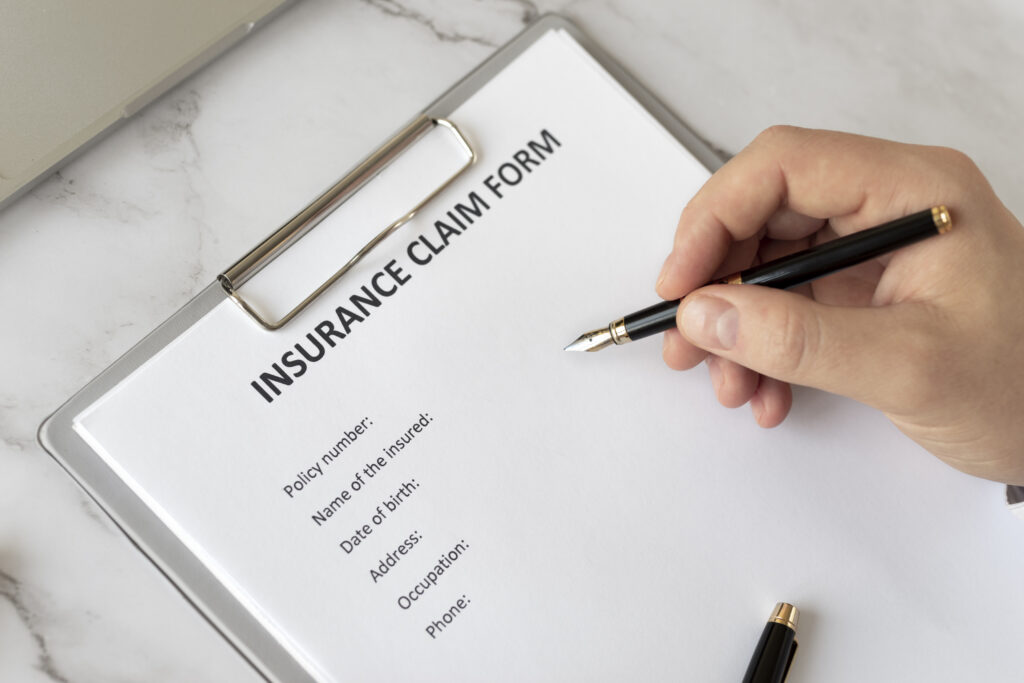
Filing the insurance claim is a key step. We need to fill out the claim form correctly. Make sure to include all supporting documents, like estimates and lists of damaged items. This will help us get a fair settlement for our smoke damage.
Want more tips? Keep reading!
Complete the claim form accurately
We complete the claim form with great care. Each detail matters. We list all types of smoke damage we found in our inspection. Our inventory should include damaged items, like furniture and personal belongings.
Submitting the form gives us a better chance for fair compensation from our insurance company. We attach supporting documents as proof, such as photos or estimated repair costs. Every piece helps to back up our smoke damage claims and shows the extent of property damage accurately.
Submit supporting documents, including estimates and inventories
Completing the claim form is just one step. We must also submit supporting documents to strengthen our smoke damage claim. This includes estimates for repairs and a detailed inventory of damaged items.
We should gather all necessary photos and videos showing the damage clearly. An accurate list of our belongings that suffered fire damage will help as well. Each estimate or invoice we provide should come from trusted professionals or contractors.
These documents support our request for fair compensation from the insurance company, helping ensure we receive what we deserve under our policy limits.
Work with the Insurance Adjuster
When we work with the insurance adjuster, we should schedule a visit for them to check our home. It is best if we are there during this time. We can show them all the damaged areas and answer their questions.
This helps ensure they understand the full extent of smoke damage. For more tips on handling claims effectively, keep reading!
Schedule an inspection of the property
We need to schedule an inspection of the property. The insurance adjuster will come to assess the smoke damage. It is important that we are present during this visit. This way, we can point out all affected areas and items.
The adjuster will look for hidden damage as well. They will check structural damage too. We should have our documentation ready, such as photos and inventories of damaged items. This helps in getting fair compensation from our insurance company.
Be present during the adjuster’s visit
We should be there when the insurance adjuster comes. This visit is key to our smoke damage claim. The adjuster will inspect our property closely. They need to see all the damage up close.
We can point out any hidden damage that we noticed.
Taking part in this visit helps us understand the claims process better. We can ask questions if anything is unclear about our coverage or policy limits. This way, we ensure that all of our concerns are addressed right away.
It also shows we are serious about getting fair compensation for the fire damages and other property damage caused by smoke exposure.
Negotiate and Settle the Claim
When we get an offer from the insurance company, we should take time to review it closely. If the amount seems low, we can challenge it. Our goal is fair compensation for our smoke damage claim.
Being informed helps us make the best decision as we move forward. For more tips on this process, keep reading!
Review the insurer’s offer carefully
We should look at the insurer’s offer closely. This is our chance to understand what they will pay for smoke damage. Check if the amount covers all the property damage we listed in our claim.
We need to know about any exclusions or policy limits that might affect us.
If the offer seems low, we can dispute it. Show evidence of our losses and ask for a fair settlement. If necessary, we may want to get help from a public adjuster or legal representation.
Staying informed will help us navigate this process better and aim for fair compensation.
Dispute underpaid claims if necessary
We must take a close look at the insurer’s offer. If we feel that the compensation is too low, we can dispute it. Gathering all our documents is key here. This includes our inventory list and any estimates for repairs.
We should present this information to support our case. Speaking with the insurance adjuster may help explain why we deserve more money for our smoke damage claim. Don’t hesitate to ask questions about policy limits or exclusions that might apply to us.
If needed, seeking legal representation could strengthen our position in negotiations. We want fair compensation for what we’ve lost due to smoke damage and fire damage events.
Prevent Common Filing Mistakes
We should avoid delays when filing our claim. Keeping copies of all messages is also smart. This way, we can prove what we discussed with our insurance company. Mistakes can lead to issues later on.
To learn more about this process and get tips for success, keep reading!
Avoid delays in filing
Delays in filing can hurt our chances for fair compensation. We should not wait to report smoke damage or file an insurance claim. Each moment counts. Our insurance company expects us to act quickly after the event occurs.
This is especially true with smoke damage claims.
Keeping track of deadlines helps protect our rights under the policy limits. If we delay, we might face issues like claim denial or lower payouts. Maintaining good records and communicating with our insurer also helps avoid mistakes in the process.
Let’s make sure everything is ready before moving on to filing the actual insurance claim.
Keep copies of all communications
After we avoid delays in filing, it is vital to keep copies of all communications. This includes emails, letters, and notes from phone calls with the insurance company. These documents are our records of what was discussed.
They help if we need to dispute a claim or clarify details later on.
Staying organized can make a big difference for smoke damage claims. We should store these copies safely and access them easily when needed. Having clear documentation supports our case and ensures fair compensation.
It also helps us track conversations about coverage, policy exclusions, and any agreements made during the process.
Understanding Adhesion Insurance Contracts
Adhesion insurance contracts are standard forms. They often appear as take-it-or-leave-it agreements. Homeowners like us usually have little say in their terms. We need to understand that these contracts can include specific clauses about smoke damage and fire damage claims.
Insurance companies write these policies with clear rules. We should read our policy carefully to find any exclusions or limits on coverage for smoke and related damages. Knowing our rights helps us navigate the claims process better, ensuring we receive fair compensation if needed.
Conclusion
Filing an insurance claim for smoke damage can feel tricky. We need to be organized and proactive. Start by documenting everything clearly. Understanding our policy is key, so we know what is covered.
Communicating with the insurance company helps us get fair compensation. By staying on top of deadlines and keeping track of all documents, we can make this process smoother. Together, we can navigate these steps successfully and secure the help we need after a loss.
For a more detailed understanding of the complexities surrounding adhesion insurance contracts, visit What is Adhesion Insurance? Explained Simply.
FAQs
1. What should I do first if my home has smoke damage?
Start by documenting all property damage, including fire and water damage. Take clear photos of structural damage, HVAC systems, and hidden areas to support your insurance claim.
2. How do I file an insurance claim for smoke damage?
Contact your insurance company right away to report the smoke damage. Ask about your policy limits, deductibles, and any policy exclusions that may affect coverage.
3. Who can help me with the insurance claims process?
A public adjuster or legal representation can guide you through the process. They help ensure fair compensation from the insurance settlement and assist if there is a claim denial.
4. What costs does my fire damage insurance cover?
Insurance coverage often pays for repairs to damaged structures, cleanup of smoke residue in HVAC systems, temporary housing during repairs, and sometimes personal belongings affected by property damage.
5. What happens if my claim gets denied or underpaid?
You have a contractual right to appeal a claim denial or low offer from the insurer; consider seeking legal action or filing a lawsuit on a contingency basis if needed.
6. Are there options if I am uninsured after smoke or fire loss?
If you are uninsured or face high out-of-pocket expenses due to policy exclusions or high premiums, contact federal emergency management agencies for possible assistance with recovery costs related to fire and smoke events.