

Worried about hurricane season and not sure if your emergency kit will protect your family and home? Many homeowners learn too late that a proper hurricane preparedness kit needs more than just bottled water and flashlights.
This blog shares the must-have items for your emergency supply kit, tips to keep your home safe, and how to secure important documents for a successful insurance claim. Stay with us to get an easy hurricane checklist that could save you time, money, and stress.
Key Takeaways
- Store at least one gallon of water per person per day for three days and pack non-perishable food, as advised by the CDC.
- Keep a first-aid kit, extra prescription medicines, flashlights with batteries, and communication tools in your emergency supply kit.
- Protect windows with plywood or storm shutters before the hurricane hits; use plastic sheeting and duct tape to seal your home if you must shelter in place.
- Save important documents (like insurance policies and IDs) in waterproof containers; take photos or videos of your home and belongings for easier insurance claims.
- Homeowners insurance covers wind damage but not flood damage from hurricanes; separate flood insurance may be needed to cover rising water events.
Essential Items for Your Family
During a hurricane, your family needs to stay safe. Water and food are top priorities. Make sure you have non-perishable items that can last for days. A first-aid kit is also essential for any injuries.
Don’t forget your prescription medications too.
Strong flashlights and extra batteries can help when the power goes out. Keep communication devices handy in case of emergencies. It’s wise to pack everything in an easy-to-carry emergency kit so you can grab it quickly if needed.
Water and non-perishable food supplies
Clean water is a top priority for any hurricane preparedness plan. Each person in your home needs at least one gallon of water per day for three days. Store extra water for pets and sanitation.
The Centers for Disease Control and Prevention stress this guideline during hurricane season to keep families safe.
Stock up on non-perishable food like protein bars, canned meats, dried fruit, and vegetables. Use canned goods that do not spoil quickly. Keep a manual can opener in your emergency kit so you can open cans if the power goes out.
A safe emergency supply kit means having enough clean water and non-perishable food to last three days.
Add plastic utensils, napkins, and paper plates to your disaster supplies kit. These items help your family stay healthy when you need to shelter in place after storms or flooding.
First-aid kit and prescription medications
A first-aid kit can save lives during hurricane season. Stock the kit with bandages, sterile gauze, scissors, tweezers, and thermometers. Include alcohol wipes and gloves to prevent infections from minor cuts or scrapes.
Keep a bottle of hand sanitizer for clean hands if water is not safe. Add personal hygiene items like ointments or tissues for comfort.
Pack at least a two-week supply of all prescription medications for each family member. Place medicines in labeled containers so you can get them fast in an emergency. If anyone needs special medical gear or allergy supplies such as EpiPens, keep those ready too.
Storing these medical supplies inside your emergency kit keeps everything together during storms and helps protect your family’s health while sheltering at home or evacuating on short notice.
Flashlights, batteries, and communication devices
Flashlights keep your home bright during power outages caused by hurricanes. Pack several flashlights in your emergency supply kit. Extra batteries are a must. Storms can last for hours or even days, so keep enough batteries for each device.
Always include a battery-powered or hand-crank radio to stay updated with NOAA Weather Radio or local emergency alerts. Keep a portable phone charger or power bank charged and ready.
These supplies help you follow emergency management updates and track severe weather changes.
Staying in touch and keeping devices powered supports family safety during hurricane season. Next, focus on protecting your windows and having the right utility tools at home.
Essential Items for Your Home
To keep your home safe during a hurricane, you need to prepare well. Protect your windows with storm shutters and have tools ready for repairs.
Window protection and utility tools
Cover all windows with plywood or storm shutters. This protects your home from flying debris during a hurricane. Use utility tools like a wrench or pliers to turn off water, gas, and electricity if you need to evacuate.
Keep these handy and ready.
Keep plastic sheeting, duct tape, and scissors close by. These items help create a safe space if you decide to shelter in place. You want to make sure your family stays safe during the storm.
Being prepared will help protect your home and loved ones when disaster strikes.
Preparation is the key to survival.
Plastic sheeting and duct tape for sheltering in place
Plastic sheeting and duct tape are key items for sheltering in place during a hurricane. Use these materials to seal windows and doors against strong winds and flying debris. This helps keep your family safe inside your home.
Scissors should be part of your emergency kit, as they make it easy to cut the plastic sheets and tape.
Having plastic sheeting on hand improves protection during severe weather events. Duct tape can help secure the edges of the sheets tightly, creating a barrier against wind and rain.
Ensure you have enough supplies ready if evacuation is not an option. Each family member needs to stay safe, and proper use of these tools supports their safety plans effectively.
Essential Items for Protecting an Insurance Claim
Having the right items can help protect your insurance claim after a hurricane. Keep important documents, like insurance policies and birth certificates, in a waterproof container.
Save photos of your home and belongings to support your claim later.
Waterproof storage for important documents
Store important documents in waterproof containers. Keep paper copies of all insurance policies inside. Include essential identification like driver’s licenses and birth certificates.
A list of crucial contact numbers should also be in this storage, especially your insurance agent’s information.
Make sure these containers are easy to reach during an emergency. Use them to protect your documents from water damage during a hurricane. Doing this gives you peace of mind and helps ensure you can access everything quickly when needed.
Photos and records of home and belongings
Take photos or videos of your home before a storm. Show the outside and inside. This helps with insurance claims later. Keep these records safe in a waterproof container.
Make a list of your belongings too. Write down details like brand names, models, and prices. This information is vital for proving what you lost during the storm. Having good records makes filing an insurance claim easier after the hurricane hits.
Next, understand your insurance coverage in case of damage from the storm.
Understanding Your Insurance Coverage in the Event of a Hurricane
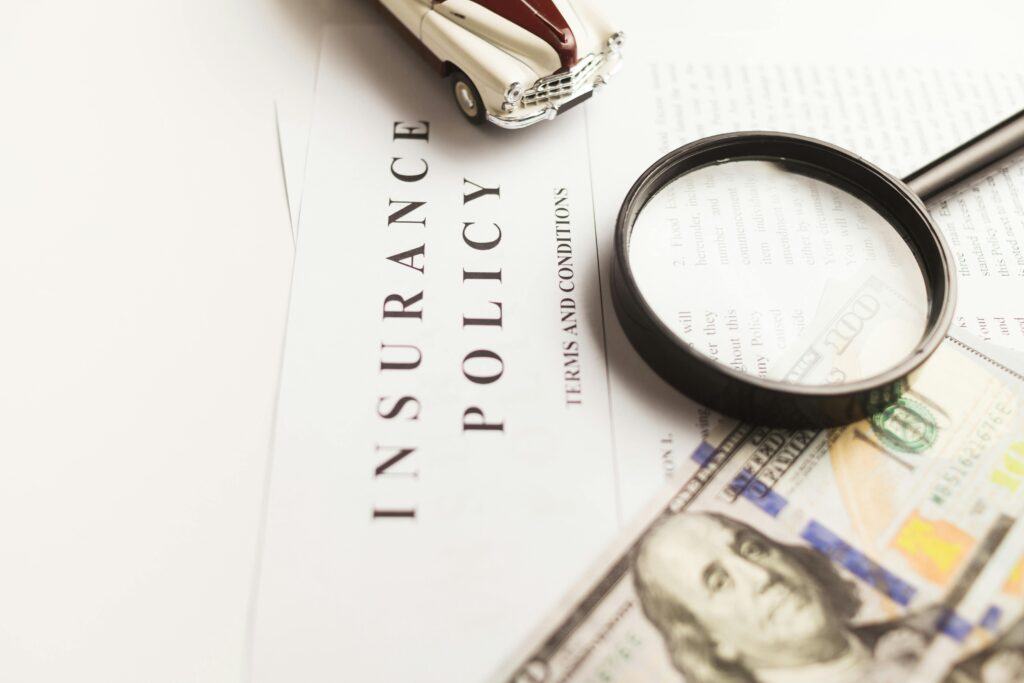
Your insurance coverage is key during a hurricane. Homeowners insurance may cover damage, but it often excludes flooding. Check your policy details to know what is and isn’t included.
Flood insurance might be needed to protect against storm surge or rising waters. Understanding these details can help you get the most from your claim after the storm hits.
Does homeowners insurance cover hurricane damage? Key facts and exclusions
Homeowners insurance generally covers hurricane damage. This includes wind and structural damage from storms. However, flooding often is not covered under standard policies. Homeowners may need separate flood insurance for that risk.
Review your policy carefully to find what is included.
Documenting your property’s condition before a storm helps when filing claims later. Take photos of your home and belongings as proof. Contact your insurance company right after the storm to start the claims process quickly.
Prompt action can help secure funds for repairs or recovery efforts after the hurricane hits.
Does homeowners insurance cover flooding from a hurricane? The loophole you need to know
Homeowners insurance usually does not cover flooding caused by hurricanes. To protect against this, homeowners often need separate flood insurance. This type of coverage is essential for anyone living in hurricane-prone areas.
A key loophole exists that some homeowners might overlook. If your home suffers damage from wind but also floods, you may receive more support if you have both types of policies.
Many people do not realize how important it is to review their insurance policies before a storm hits. Flooding can lead to significant costs, so understanding what your homeowner’s policy covers is vital for filing claims later on.
Next comes the crucial part: understanding how to maximize your insurance claim after the hurricane strikes.
Homeowners insurance declaration page: The most overlooked key to big payouts
The homeowners insurance declaration page is crucial. This page gives you vital information about your coverage. It lists the types of protection you have and the limits for each type.
Many people overlook this part when making claims after a hurricane.
Check your declaration page carefully before disaster strikes. Know what damages are covered, including flood damage from hurricanes or strong winds. Being aware of these details can help you get bigger payouts when needed most.
Understanding your policy now will pay off later during recovery efforts after a storm hits. Next, let’s explore tips for maximizing your insurance claim after a hurricane.
Tips for Maximizing Your Insurance Claim After a Hurricane
After a hurricane, gather evidence of your damage. Take clear photos of your home and belongings. Keep records of all repairs and expenses. Stay organized with your important documents like insurance policies and birth certificates.
Know the claims process well to improve your chances for a fair payout. For more helpful tips on getting through this tough time, keep reading!
Hurricane insurance claims process: Tips to maximize your payout
Document everything. Take photos or videos of your home and belongings before the storm hits. This helps prove your losses later on. Keep all important documents in a waterproof container, like insurance policies, birth certificates, and banking information.
Contact your insurance company right after the storm when it is safe to do so. Report any damage quickly to start the claims process. Keep track of what you lose by documenting every detail.
This record supports your claim and can lead to a bigger payout from your homeowners insurance policy.
Common mistakes when filing a claim and how to avoid them
Proper preparation can help avoid mistakes when filing a claim. Failing to document your insurance policies and IDs slows down the process. Store these in a waterproof container, so you have quick access after a storm.
Take photos or videos of your home before any damage occurs. This proof helps show the condition of your property. Also, keep an updated contact list for your insurance agent; it speeds up communication during claims.
Make sure your home is secured properly before the storm hits to prevent extra damage that could complicate claims.
Heed all evacuation orders and updates from officials. Ignoring these can jeopardize safety and affect how quickly you file a claim. Finally, contact your insurance company soon after the storm passes to avoid losing important details needed for processing your claim.
The Role of Public Adjusters in Your Hurricane Claim

Public adjusters help you handle your hurricane claim. They work for you, not the insurance company. They know how to deal with claims. This can make a big difference in your payout.
Their focus is on getting you fair treatment after a storm. Curious about what else they do? Read more to learn!
Understanding public adjuster pros and cons: What you need to know
A public adjuster can help you with your hurricane claim. They work for you, not the insurance company. They know how to handle claims and can get more money for you. This is a big plus after a disaster.
On the downside, public adjusters charge fees. These fees come from your payout. Some people worry about this cost. You should weigh the benefits against these costs before deciding if you need one.
What does a public adjuster do? More than you think, and why you need one
Public adjusters help homeowners like you after a hurricane. They guide you through the insurance claims process. Their job is to get you fair settlements for your losses. Public adjusters assess damage and document everything carefully, from your home to personal belongings.
They communicate directly with insurance companies on your behalf, making the process easier.
Knowledge of policy terms and coverage limits boosts your chances of a good payout. They also help gather important documents, such as photos and identification. This support reduces stress during a tough time.
With their assistance, families can feel more secure about getting compensated for hurricane-related damage.
Public adjuster vs. insurance adjuster: Who’s really on your side?
A public adjuster is on your side. They represent policyholders like you. Their job is to negotiate and maximize your insurance claims after a hurricane. You pay them directly, so they work for your best interest.
Insurance adjusters, on the other hand, work for insurance companies. They assess damage but focus on limiting payouts to save the company money. This difference often affects how much you get from an insurance claim.
Understanding these roles can help you choose wisely when filing a claim after a storm.
Preparing for the Hurricane
Preparing for a hurricane means acting fast. Create an emergency plan with your family and gather supplies like food, water, and medicine.
Hurricane safety tips and preparedness guide
Stay safe during a hurricane with these tips. Keep one gallon of water per person, each day, for at least three days. Pack non-perishable food items and include a manual can opener in your emergency kit.
Assemble a first-aid kit that has a two-week supply of prescription medications.
Protect your home well before the storm hits. Use storm shutters or plywood to cover windows. Secure outdoor furniture and other loose items to prevent them from becoming projectiles.
Store important documents in a waterproof container to ensure you have access during recovery efforts. If local officials order an evacuation, leave immediately and stay tuned to updates via a battery-powered radio or NOAA weather radio for emergency alerts.
How to create a hurricane emergency plan: Protect your home and family before the storm
Start by making a list of important items. Include one gallon of water per person per day for at least three days. Stock up on non-perishable food like protein bars and canned goods.
Don’t forget a manual can opener.
Next, protect your home from strong winds and rain. Cover windows with plywood or install storm shutters. Secure outdoor furniture to prevent it from becoming dangerous debris. Prepare documentation for insurance claims, including copies of policies and identification in a waterproof container.
Take photos or videos of your home before the storm hits to support any future claims related to damages after the hurricane passes.
During and After the Storm
During the storm, stay safe indoors. Follow emergency alerts and updates closely.
After the storm passes, check for damage to your home and property. Be ready to document everything for your insurance claim.
Evacuation readiness and emergency updates
Stay updated on emergency alerts. Listen to a battery-powered radio for the latest information. Official evacuation orders are important; always follow them. Know your evacuation route before the storm hits.
This can save time and keep you safe.
Gather your family’s emergency supplies, including food and water supply. Keep important documents in a waterproof container. Take photos or videos of your home’s condition before the storm for insurance claims later on.
Stay prepared so you can act quickly when needed during hurricane season.
Conclusion
Hurricane season is tough. Being ready can make a big difference. Gather your essential items now. Stock up on water, food, and first-aid supplies. Protect your home with storm shutters and secure outdoor furniture.
Keep important papers safe in a waterproof container. With these steps, you protect your family and ensure you have what you need after the storm passes.
FAQs
1. What essential items should I include in my hurricane preparedness kit?
Pack non-perishable food, a battery-powered radio, first aid kit, prescription medications, cell phone chargers, extra fuel, and water supply. Include plastic utensils, duct tape, and a waterproof container for important documents like birth certificates and insurance policies.
2. How can I protect my home from flood damage during hurricane season?
Install storm shutters and secure outdoor furniture before the storm arrives. Review your homeowners insurance and consider flood insurance through the National Flood Insurance Program. Prepare an evacuation plan and know your evacuation route.
3. Why is it important to keep important documents in a waterproof container?
A waterproof container keeps birth certificates, insurance policies, and property insurance safe from water damage during hurricanes, floods, or wildfires. This helps you file insurance claims and recover faster after disasters.
4. How do I stay informed about emergency alerts and weather forecasts during a hurricane?
Use a NOAA weather radio or battery-powered radio to listen for emergency alerts from the National Hurricane Center and NOAA’s National Weather Service. Visit weather.gov for updates on hurricane watches, thunderstorms, or tornadoes.
5. Why should I review my insurance policies before hurricane season?
Reviewing homeowners insurance and flood insurance helps you understand what is covered in case of flood damage or landslides. This can also speed up your claim process after a disaster.
6. How does an emergency supply kit help with evacuation plans?
An emergency supply kit gives your family the tools needed during evacuation such as nonperishable food, water supply, first aid kit, prescription medications, and cell phone chargers. It supports your evacuation plan and keeps everyone safe during the Atlantic hurricane season or other disasters like wildfires and tornadoes.